Personal Loans: Types, Uses, and How They Work
Complete guide to personal loans: understanding types, rates, terms, and smart borrowing strategies.
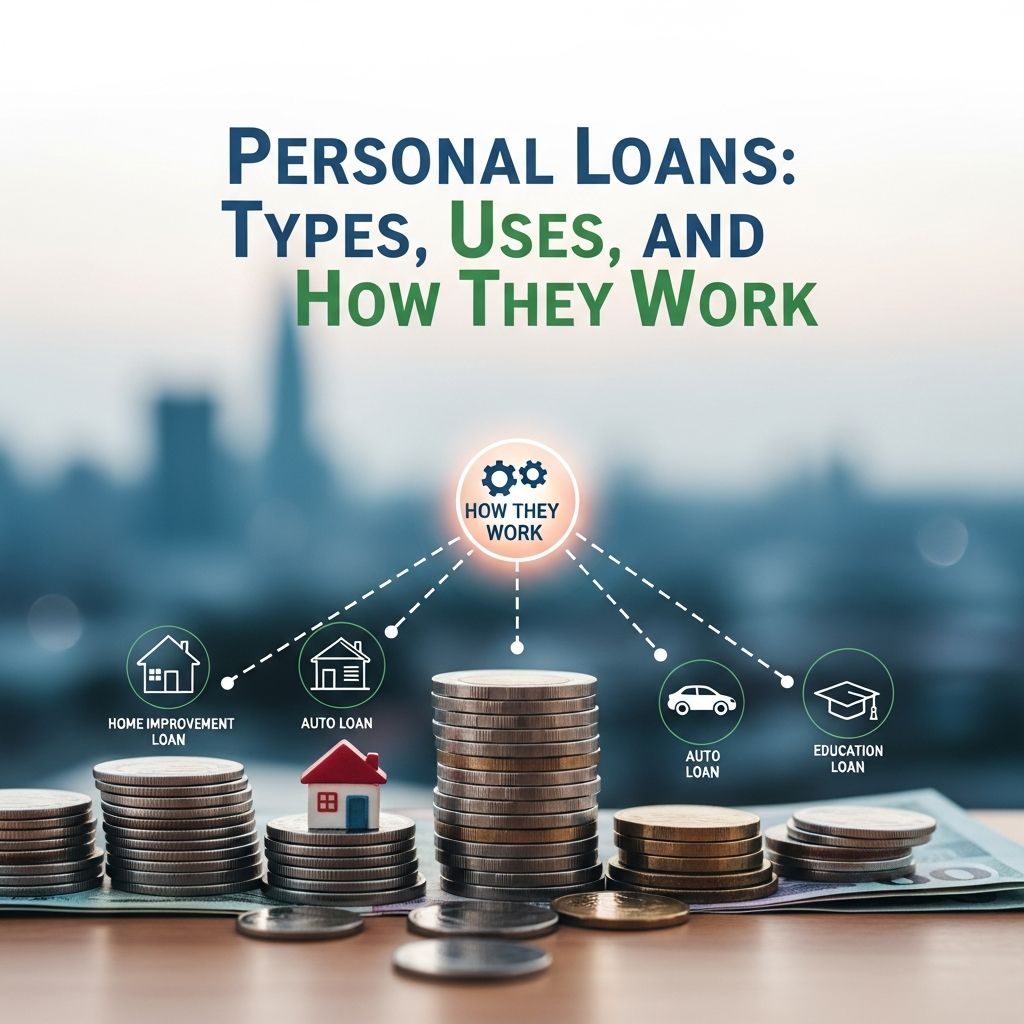
A personal loan is a form of credit that individuals can borrow from banks, credit unions, or online lenders. Unlike mortgages or car loans, which are secured by specific assets, personal loans are typically unsecured, meaning they are not backed by collateral. Personal loans offer borrowers flexibility in how they use the funds, making them a versatile financial tool for various needs and circumstances.
What Is a Personal Loan?
A personal loan is a fixed-amount loan that a borrower receives from a lender and repays over a predetermined period through regular monthly installments. The lender determines the loan amount, interest rate, and repayment terms based on the borrower’s creditworthiness, income, and credit history. Personal loans can range from a few hundred dollars to tens of thousands of dollars, depending on the lender and the borrower’s financial profile.
The distinguishing feature of personal loans is their unsecured nature. This means the lender does not have a specific asset to claim if the borrower defaults on the loan. Consequently, lenders typically charge higher interest rates on personal loans compared to secured loans to compensate for this increased risk.
Types of Personal Loans
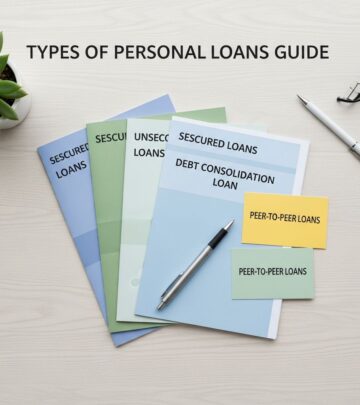
Personal loans come in several varieties, each designed to meet different financial needs and circumstances. Understanding the distinctions between these types can help borrowers select the most appropriate option for their situation.
Unsecured Personal Loans
Unsecured personal loans are the most common type of personal loan. These loans do not require collateral, such as a house or car, as security. Instead, the lender’s approval is based primarily on the borrower’s credit score, income, and overall creditworthiness. Because lenders assume greater risk with unsecured loans, they typically charge higher interest rates than secured loans.
Secured Personal Loans
Secured personal loans require borrowers to pledge an asset, such as a savings account, vehicle, or other valuable property, as collateral. If the borrower fails to repay the loan, the lender can seize the collateral to recover their losses. Because the lender’s risk is reduced, secured personal loans typically feature lower interest rates than unsecured loans. However, borrowers risk losing their pledged asset if they default.
Fixed-Rate Personal Loans
Fixed-rate personal loans maintain the same interest rate throughout the entire loan term. This provides borrowers with payment predictability, as their monthly installment remains constant. Fixed-rate loans are popular among borrowers who prefer stable, budgeted payments and protection from interest rate fluctuations.
Variable-Rate Personal Loans
Variable-rate personal loans have interest rates that can change over time, typically adjusting based on market conditions or a specific index. While these loans may start with lower initial rates, the monthly payment can increase if rates rise. Variable-rate loans carry more uncertainty but may be suitable for borrowers who expect rates to decline or who plan to repay the loan quickly.
Common Uses for Personal Loans
Personal loans are remarkably versatile financial instruments that borrowers utilize for numerous purposes. Here are some of the most common applications:
- Debt Consolidation: Many borrowers use personal loans to consolidate multiple debts, such as credit card balances, into a single loan with a potentially lower interest rate, simplifying repayment and reducing overall interest costs.
- Home Improvement: Personal loans can finance renovations, repairs, or upgrades to a home, from kitchen remodeling to roof replacement.
- Medical Expenses: Unexpected medical bills or elective procedures can be financed through personal loans, helping cover out-of-pocket healthcare costs.
- Education: Personal loans can supplement education financing for tuition, books, or other academic expenses.
- Travel: Borrowers often use personal loans to fund vacations, family trips, or other travel adventures.
- Vehicle Purchase: While car loans are specialized products, some borrowers use personal loans as an alternative to finance vehicle purchases.
- Wedding Expenses: Personal loans frequently help cover wedding planning costs, from venue rental to catering and decorations.
- Business Startup: Entrepreneurs may use personal loans to finance initial business expenses, though business loans are typically more appropriate for business ventures.
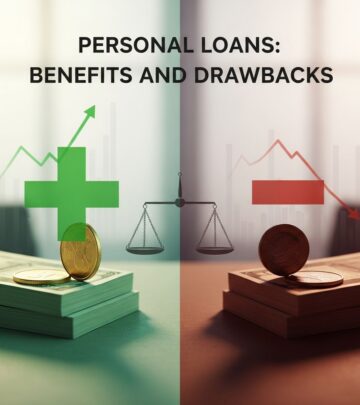
Advantages of Personal Loans
Personal loans offer several notable benefits that make them attractive to many borrowers:
- Flexibility: Borrowers can use personal loan funds for virtually any purpose, providing flexibility that secured loans often lack.
- Speed: Personal loans can be approved and funded relatively quickly, often within days, making them suitable for urgent financial needs.
- Fixed Payments: Most personal loans feature fixed interest rates and consistent monthly payments, making budgeting predictable.
- No Collateral Required: Unsecured personal loans do not require borrowers to risk personal assets, reducing financial exposure.
- Improved Credit: Successfully repaying a personal loan can positively impact credit scores, demonstrating responsible credit management.
- Lower Rates for Excellent Credit: Borrowers with excellent credit scores may qualify for highly competitive interest rates.
- Accessible to Various Credit Profiles: Lenders offer personal loans to borrowers with diverse credit histories, including those with fair or average credit.
Disadvantages of Personal Loans
Despite their advantages, personal loans also come with certain drawbacks that borrowers should carefully consider:
- Higher Interest Rates: Personal loans typically carry higher interest rates than secured loans or mortgages, increasing the total cost of borrowing.
- Credit Score Impact: Applying for personal loans results in hard inquiries that temporarily reduce credit scores. Missing payments can significantly damage creditworthiness.
- Debt Accumulation: Easy access to personal loans can lead borrowers to accumulate excessive debt beyond their repayment capacity.
- Origination Fees: Many lenders charge origination fees, typically 1% to 10% of the loan amount, increasing the effective cost of borrowing.
- Prepayment Penalties: Some lenders impose prepayment penalties, discouraging early loan repayment that would otherwise save interest.
- Risk of Default: If borrowers cannot meet payments, they face default consequences, including legal action and credit damage.
- Variable Terms: Some personal loans feature variable rates that can increase payments, adding uncertainty to borrowing costs.
Interest Rates and Terms
Personal loan interest rates vary significantly based on multiple factors. Lenders typically consider credit scores, income, employment history, existing debt levels, and loan-to-income ratios when determining rates. Borrowers with excellent credit scores generally receive the lowest rates, sometimes ranging from 5% to 12%, while those with fair or poor credit may face rates exceeding 30% or higher.
Loan terms typically range from 24 to 84 months, with longer terms resulting in lower monthly payments but higher total interest costs. Shorter terms mean higher monthly payments but significantly less interest paid overall. Borrowers should carefully evaluate their financial situation to select terms that balance affordability with cost efficiency.
How to Compare Personal Loans
To find the best personal loan, borrowers should:
- Check Your Credit Score: Knowing your credit score helps you understand what rates you qualify for and which lenders to approach.
- Compare Multiple Lenders: Different lenders offer varying rates and terms. Comparing at least 3-5 lenders ensures you find competitive offers.
- Review the APR: The Annual Percentage Rate (APR) includes interest rates and fees, providing a complete picture of borrowing costs.
- Evaluate Total Loan Cost: Calculate total interest paid over the loan term to understand the complete expense.
- Check for Hidden Fees: Review origination fees, prepayment penalties, and other charges that may apply.
- Understand Terms: Ensure you comprehend all loan conditions, including repayment schedules and default consequences.
- Use Loan Calculators: Online calculators help estimate monthly payments and total interest costs for different scenarios.
Personal Loan vs. Other Borrowing Options
| Loan Type | Interest Rate Range | Typical Term | Collateral Required |
|---|---|---|---|
| Personal Loan | 5% – 36% | 24 – 84 months | Usually No |
| Credit Card | 15% – 25% | Revolving | No |
| Home Equity Line of Credit | 5% – 12% | 10 – 20 years | Yes (Home) |
| Auto Loan | 3% – 12% | 36 – 72 months | Yes (Vehicle) |
Steps to Apply for a Personal Loan
The personal loan application process typically involves the following steps:
- Assess Your Needs: Determine how much money you need to borrow and what you’ll use it for.
- Check Your Credit: Obtain your credit report and score to understand your financial standing.
- Research Lenders: Identify banks, credit unions, and online lenders offering personal loans.
- Compare Offers: Request loan quotes from multiple lenders to compare rates and terms.
- Complete the Application: Provide required financial information, including income, employment, and debt details.
- Submit Documentation: Provide supporting documents such as pay stubs, tax returns, and bank statements.
- Receive Approval Decision: Lenders review your application and notify you of approval, denial, or request for additional information.
- Review Loan Agreement: Carefully read all terms and conditions before accepting the loan offer.
- Sign Documents: Officially accept the loan by signing the loan agreement.
- Receive Funds: The lender deposits the loan proceeds into your designated account.
Tips for Successful Personal Loan Repayment
Successfully repaying a personal loan requires discipline and planning. Consider these strategies:
- Make Payments on Time: Set up automatic payments to ensure you never miss a due date, protecting your credit score.
- Pay More Than the Minimum: If possible, pay more than the required minimum payment to reduce total interest and shorten the loan term.
- Create a Budget: Include loan payments in your monthly budget to ensure you can afford payments comfortably.
- Avoid Additional Debt: Refrain from taking on additional debt while repaying a personal loan.
- Consider Refinancing: If your credit improves or rates drop, explore refinancing options to obtain better terms.
Frequently Asked Questions
Q: What credit score do I need to qualify for a personal loan?
A: Credit score requirements vary by lender. Most traditional lenders prefer credit scores of 620 or higher, while credit unions and online lenders may work with lower scores. Some lenders specialize in loans for borrowers with poor credit.
Q: How quickly can I get funds from a personal loan?
A: Many personal loans are funded within 1-3 business days after approval, though some online lenders offer same-day or next-day funding. Traditional banks may take slightly longer.
Q: Can I use a personal loan for any purpose?
A: Most personal loans allow flexible use of funds. However, some lenders restrict use for certain purposes like education or down payments. Always check lender policies regarding fund usage.
Q: What happens if I miss a personal loan payment?
A: Missing payments can result in late fees, increased interest rates, credit score damage, and potential default proceedings. Most lenders allow grace periods before charging late fees.
Q: Can I pay off a personal loan early?
A: Most lenders allow early repayment without penalties. However, some may charge prepayment penalties, so verify this before borrowing. Early repayment saves significant interest over time.
Q: Are personal loans better than credit cards for debt consolidation?
A: Personal loans often offer lower interest rates than credit cards and provide a fixed repayment schedule, making them attractive for debt consolidation. However, compare specific offers to determine which option is best for your situation.
Q: What’s the difference between a personal loan and a payday loan?
A: Personal loans typically have longer terms, lower interest rates, and more flexible terms than payday loans, which are short-term, high-interest loans designed to be repaid by the next paycheck. Personal loans are generally a better option for most borrowers.
References
- Consumer Financial Protection Bureau – Personal Loans — Consumer Financial Protection Bureau. 2024. https://www.consumerfinance.gov/consumer-tools/money-as-you-go/personal-loans/
- Federal Reserve – Frequently Asked Questions About Consumer Credit — Board of Governors of the Federal Reserve System. 2024. https://www.federalreserve.gov/faqs/credit.htm
- OCC Bulletin 2015-30: Interest Rate Risk Management — Office of the Comptroller of the Currency. 2015. https://www.occ.treas.gov/
- National Credit Union Administration – Lending Guidelines — National Credit Union Administration. 2024. https://www.ncua.gov/
- Truth in Lending Act – 15 U.S.C. § 1601 — United States Code. https://www.law.cornell.edu/uscode/text/15/1601
Similar Articles








Read full bio of medha deb