Personal Loans For Medical Debt: A Complete Guide To Options
Discover how personal loans can consolidate medical debt, bridge insurance gaps, and provide affordable repayment for healthcare costs.

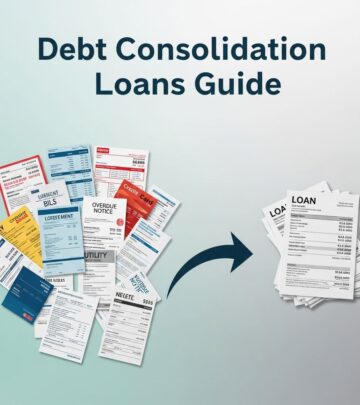
Medical debt affects millions of Americans, often arising unexpectedly from emergencies, procedures, or gaps in insurance coverage. Personal loans offer a structured way to consolidate these bills into fixed monthly payments with potentially lower interest rates than credit cards. This approach helps preserve savings, improve cash flow, and avoid collections while prioritizing health needs.
What Is Medical Debt?
Medical debt occurs when healthcare costs exceed insurance coverage or payment ability, including hospital bills, doctor visits, prescriptions, and procedures. Unlike planned debts like mortgages, it is typically unforeseen and stems from providers rather than lenders. In 2023, credit bureaus began excluding medical collections under $500 from reports, with a one-year grace period before larger debts appear, distinguishing it from standard loan debt.
Common sources include deductibles resetting annually—often thousands of dollars—copays, out-of-network care, and elective treatments like LASIK or dental work not fully covered. For military families or those with chronic conditions, costs accumulate rapidly, potentially leading to delayed care and worsened health outcomes.
What Is a Personal Loan for Medical Expenses?
A personal loan for medical expenses is an unsecured installment loan providing a lump sum upfront, repaid via fixed monthly payments over 1-7 years. Loan amounts range from $500 to $100,000, with rates from single digits to 30%+ based on creditworthiness. Unlike revolving credit cards, payments cover principal plus interest without compounding if paid on time.
Funds deposit directly, usable for existing bills, upcoming procedures, or related costs like travel or equipment. No origination fees from some lenders (1-12% elsewhere), and terms offer predictability absent in provider plans.
Why Use a Personal Loan for Medical Debt?
Personal loans provide straightforward debt management amid healthcare stress. Key advantages include:
- Bridge Insurance Gaps: Cover deductibles, copays, or uncovered services when insurance falls short.
- Handle Upfront Costs: Pay large initial fees for procedures without draining savings.
- Consolidate Bills: Combine multiple provider bills into one payment, simplifying tracking.
- Flexible Use: Fund treatments, medications, therapy, dental, fertility, or cosmetic procedures.
- Preserve Savings: Avoid liquidating emergency funds or investments.
- Predictable Repayments: Fixed rates and terms beat variable credit card debt.
Delaying care risks health deterioration; loans enable prompt treatment with budgeted repayments.
Benefits of Personal Loans for Medical Bills
| Benefit | Description |
|---|---|
| Fixed Rates | Lower than credit cards for good credit (often 6-36% APR); payments stay constant. |
| Quick Funding | Approval in days; funds for immediate bill payments or procedures. |
| No Collateral | Unsecured; no asset risk like home equity loans. |
| Build Credit | On-time payments boost scores; medical debt itself has limited reporting impact. |
| Versatility | Covers emergencies, electives, or debt payoff across providers.[10] |
Compared to medical credit cards (high rates, revolving balances) or provider plans (limited terms), personal loans offer broader flexibility and cost control.
Personal Loan Requirements and Eligibility
Lenders evaluate credit score (ideally 670+ for best rates), income, debt-to-income ratio, and history. Lower scores may qualify at higher rates. Steps include:
- Assess Needs: Tally bills or estimate procedure costs.
- Budget Check: Ensure affordable payments via calculators.
- Pre-qualify: Soft inquiries compare offers without score impact.
- Apply: Submit docs; approval yields funds quickly.
Shop multiple lenders—credit unions, banks, online—for competitive terms.
Alternatives to Personal Loans for Medical Debt
While effective, consider these options:
- Provider Negotiations: Request discounts, plans, or charity care; no interest initially.
- Health Savings Accounts (HSAs): Tax-free for qualified expenses if eligible.
- Crowdfunding/Payments Apps: For smaller needs; flexible but public.
- Medical Credit Cards: 0% intro but high post-promo rates.
- 0% Balance Transfers: Risky if unpaid before promo ends.
- Government Aid: Medicaid retroactive coverage or debt forgiveness programs.
Personal loans suit consolidated, predictable repayment best.
Pros and Cons of Medical Loans
| Pros | Cons |
|---|---|
| Fixed, affordable payments | Interest adds to total cost |
| Quick access to funds | Requires decent credit |
| Simplifies multiple debts | Origination fees possible (1-12%) |
| Preserves savings/credit | Fixed amount; less flexible for changes |
How to Qualify for a Medical Personal Loan
Improve odds by:
- Checking/improving credit (pay down debts, dispute errors).
- Providing stable income proof.
- Lowering debt-to-income below 36%.
- Adding co-signer if needed.
- Comparing 3+ lenders’ pre-approvals.
Use calculators to match terms to budget.
Best Lenders for Medical Loans in 2026
Top options (based on reviews) include credit unions like Lanco FCU ($500-$20K, fixed rates), online platforms like LendingTree partners (competitive for 670+ scores), Discover (up to $40K, no fees), and banks like TD/Armed Forces (flexible terms).
Frequently Asked Questions (FAQs)
Can I use a personal loan for any medical expense?
Yes, including procedures, dental, emergencies, copays, or equipment not covered by insurance.
Will a medical loan affect my credit score?
Hard inquiries may dip it temporarily; on-time payments improve it. Medical provider debt has separate, limited reporting.
Are rates lower than credit cards?
Often yes for good credit; fixed vs. variable 15-25%+ card APRs.
How soon can I get funds?
Typically 1-5 days post-approval.
Is a personal loan better than a provider plan?
Usually, for lower rates and flexibility across providers.
Final Tips for Managing Medical Debt
Act early: Negotiate bills, explore aid, then finance wisely. Prioritize health—delays compound issues. Track payments to build credit and financial stability.
References
- Personal Loan for Medical Bills — Lanco Federal Credit Union. 2024. https://www.lancofcu.com/blog/how-to-use-personal-loan-for-medical-expenses/
- Medical Loans: Best Rates in 2026 — LendingTree. 2026. https://www.lendingtree.com/personal/medical/
- How a Personal Loan Can Make Medical Treatment More Affordable — Armed Forces Bank. 2024. https://www.afbank.com/article/how-a-personal-loan-can-make-medical-treatment-more-affordable
- Medical Loans: A Comprehensive Guide — Experian. 2024. https://www.experian.com/blogs/ask-experian/medical-loans-guide/
- Finance Your Medical Expenses with a Personal Loan — Discover. 2024. https://www.discover.com/personal-loans/medical-expenses/
- Picking the Best Medical Loan For Your Procedure — Cherry. 2024. https://withcherry.com/blog/medical-loans
Similar Articles








Read full bio of Sneha Tete