Personal Loans and Credit Scores
Discover how personal loans can boost or damage your credit score, with strategies for responsible borrowing and long-term financial health.
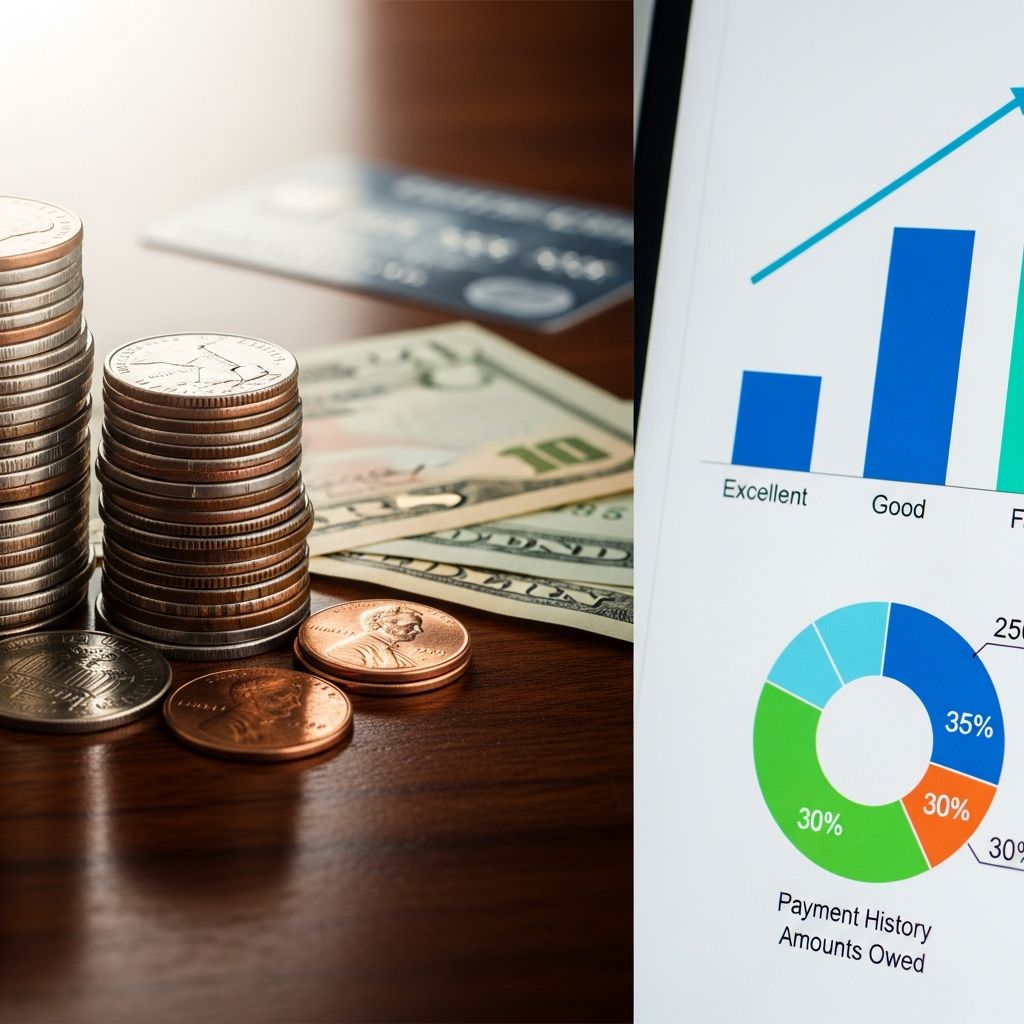
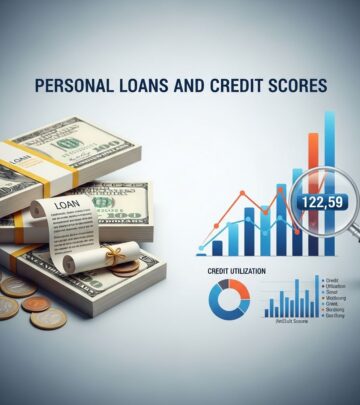
Personal loans offer flexible funding for various needs, but their impact on your credit score depends on how you apply for and manage them. Responsible use can enhance your score over time, while mistakes can lead to declines. This guide breaks down the key factors, benefits, risks, and strategies to optimize your credit profile.
Understanding the Credit Score Calculation
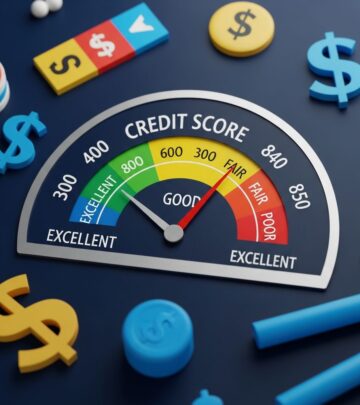
Credit scores, such as FICO, evaluate multiple elements to determine lending risk. Payment history weighs 35%, credit utilization 30%, length of credit history 15%, credit mix 10%, and new credit 10%. Personal loans influence several of these, primarily through inquiries, debt levels, payments, and account diversity.
Before diving into specifics, note that effects vary by individual profile. Those with strong histories see smaller dips from new accounts, while high utilizers benefit more from consolidation.
The Immediate Effects of Applying for a Loan
Submitting a personal loan application prompts a hard inquiry, where lenders review your full credit report. This typically lowers scores by 5-10 points, lasting up to 12 months but fading after that.
- Hard inquiries signal new credit-seeking, raising perceived risk temporarily.
- Multiple applications within a short window compound the effect, so shop rates within 14-45 days for FICO grouping.
- Prequalification with soft pulls avoids this hit, allowing comparison without score impact.
Upon approval, the new account reduces average account age, another minor dip of a few points. These initial reductions are short-term, often offset by positive management.
Positive Impacts on Your Credit Profile
Handled well, personal loans contribute positively across key score factors.
Boosting Payment History
On-time payments build the strongest score factor. Each successful installment reinforces reliability, gradually elevating scores. Late payments over 30 days, however, trigger sharp drops lasting years. Automate payments to ensure consistency.
Optimizing Credit Utilization
Revolving debt like credit cards dominates utilization calculations. High ratios over 30% harm scores significantly. Personal loans are installment debt, excluded from this metric. Using funds to clear card balances drops utilization, often yielding quick gains.
| Utilization Level | Score Impact | Example Action |
|---|---|---|
| Under 10% | Optimal | Maintain low balances |
| 10-30% | Good | Pay down gradually |
| Over 30% | Harmful | Consolidate with loan |
Enhancing Credit Mix
Diverse accounts—revolving and installment—demonstrate versatility. Adding a personal loan diversifies if you lack installment types like mortgages or auto loans, comprising 10% of scores.
Potential Downsides and Risks
Not all effects favor your score.
Increasing Total Debt Burden
New loans raise overall indebtedness, potentially signaling overextension. Without consolidation, this slows score recovery as balances persist.
Long-Term Account Age Dilution
New accounts shorten average age until seasoned. Closing old accounts post-payoff exacerbates this.
Missed Payments and Defaults
Delinquencies devastate histories. Defaults lead to collections, severely damaging scores for 7 years.
Strategic Uses for Maximum Benefit
Debt Consolidation Mastery
Target high-interest revolving debt. Lower rates on personal loans (often 6-36% APR vs. cards’ 20%+) save money and utilization. Post-consolidation, freeze cards to prevent re-accumulation.
Building Credit from Scratch
For thin files, secured loans or credit-builder variants establish history without large risks.
Emergency Funding Alternatives
Prefer loans over cards for large needs to sidestep utilization spikes.
Real-World Score Change Scenarios
Consider these profiles:
- High Utilizer Consolidates: 700 score, 80% utilization drops to 5%—potential 50+ point gain within months.
- New Borrower: 650 score adds installment mix and payments—steady 20-40 point rise over a year.
- Multiple Inquiries: Three apps in a month on 750 score—10-20 point dip, recoverable quickly.
Track via free weekly reports from AnnualCreditReport.com or services like Experian.
Best Practices for Loan Management
- Compare prequalified offers from multiple lenders.
- Borrow only needed amounts to minimize debt.
- Make payments early or extra to accelerate payoff.
- Retain accounts post-payoff for age benefits.
- Monitor reports for errors quarterly.
Frequently Asked Questions
Will a personal loan always improve my score?
No, it depends on usage. Consolidation and on-time payments help; added debt without payoff hurts.
How long do hard inquiries affect scores?
Up to 12 months actively, visible for 24.
Can I get a loan with bad credit?
Yes, but expect higher rates. Improve via secured options first.
Does paying off a loan hurt my score?
Possibly minor dip from mix/age changes, but long-term positive.
Are personal loans reported to bureaus?
Yes, to Equifax, Experian, TransUnion.
Long-Term Financial Planning
Integrate loans into broader goals: emergency funds, retirement savings. Aim for debt-to-income under 36%. Consult non-profits like NFCC for personalized advice.
Ultimately, personal loans are tools—wield them wisely for credit empowerment.
References
- How Does a Personal Loan Affect Your Credit Score? — Experian. 2025. https://www.experian.com/blogs/ask-experian/how-does-a-personal-loan-impact-your-credit/
- How Does A Personal Loan Affect Your Credit Score? — Bankrate. 2025. https://www.bankrate.com/loans/personal-loans/how-open-personal-loan-affects-credit/
- Consumer Financial Protection Bureau: Credit Scoring Basics — CFPB.gov. 2024-10-15. https://www.consumerfinance.gov/consumer-tools/credit-reports-and-scores/
- How Does a Personal Loan Affect Your Credit? — Citi. 2025. https://www.citi.com/personal-loans/learning-center/basics/how-does-a-personal-loan-affect-your-credit
- FICO Score Factors — myFICO.com. 2025-03-01. https://www.myfico.com/credit-education/whats-in-your-credit-score
Similar Articles








Read full bio of medha deb