Personal Loan Vs Student Loan: Key Differences Explained
Compare personal loans and student loans: key differences in rates, terms, uses, and why student loans often win for education funding.
Choosing between a
personal loan
and astudent loan
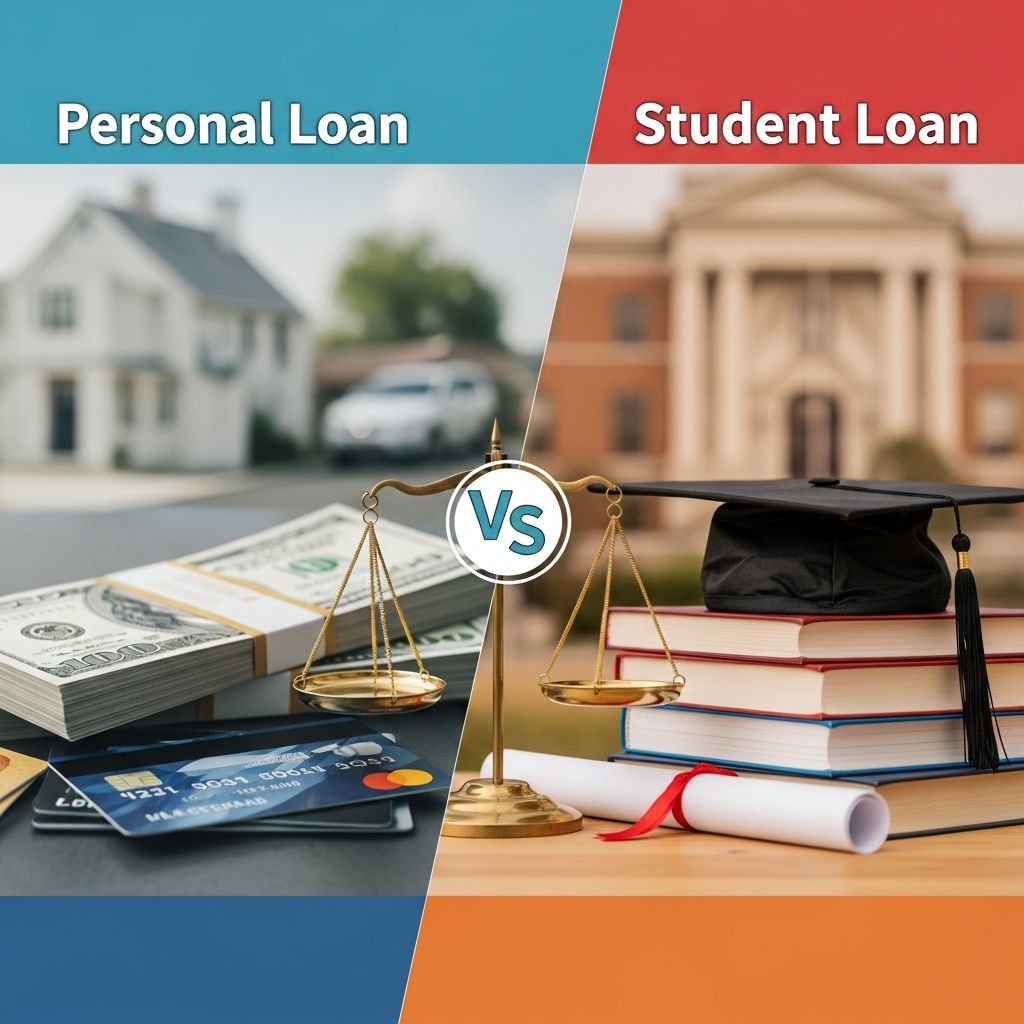
is crucial when funding education or other expenses. Student loans are designed specifically for college costs with favorable terms, while personal loans offer flexibility but higher costs and fewer protections. This article breaks down key differences to help you decide.Allowable Uses
Student loans cover qualified education expenses like tuition, fees, room and board, books, supplies, transportation, and equipment, making them ideal for college funding. Federal regulations define these allowable costs broadly for students enrolled at least half-time.
Personal loans are versatile for household expenses, debt consolidation, or emergencies but many lenders prohibit using them for tuition or postsecondary education due to federal rules like Regulation Z. If discovered, lenders may reclassify or deny. They can fund non-educational needs like off-campus living or personal emergencies after exhausting student aid.
Interest Rates
**Student loans** often feature lower rates: federal undergraduate loans average 6.53% fixed for 2024-25, with ranges from 3.5% to 18% including private options. Fixed rates provide payment stability.
**Personal loans** carry higher rates, typically 7% to 36% fixed or variable, based on creditworthiness. Even excellent credit borrowers pay more than federal student rates, and students with limited credit history face top-end APRs.
| Loan Type | Typical Range | Average Federal Rate (2024-25) |
|---|---|---|
| Student Loan | 3.5% – 18% | 6.53% (undergrad) |
| Personal Loan | 7% – 36% | N/A |
Higher personal loan rates stem from lack of government backing and shorter terms, increasing borrower risk.
Repayment Terms
Student loans defer payments until after graduation or six months post-enrollment, with terms of 5-25 years. This grace period eases burden during school.
Personal loans require immediate repayment upon funding, with terms of 1-7 years (up to 12 rarely). Shorter terms mean higher monthly payments, straining student budgets.
| Aspect | Student Loan | Personal Loan |
|---|---|---|
| Start of Repayment | Deferred until graduation | Immediate |
| Term Length | 5-25 years | 1-7 years |
| Monthly Impact | Lower payments | Higher payments |
Borrower Protections and Relief Options
Federal student loans offer extensive protections: income-driven repayment (IDR) plans capping payments at 10-20% of discretionary income, deferment/forbearance for hardship, and forgiveness programs like Public Service Loan Forgiveness (PSLF) after 10 years.
- IDR adjusts payments based on income/family size.
- Deferment pauses payments during unemployment or school.
- Forgiveness erases remaining balance after qualifying service.
Private student loans have fewer options, and
personal loans
provide none—no IDR, forgiveness, or mandatory forbearance. Default risks credit damage without relief.Tax Benefits
Student loan interest is tax-deductible up to $2,500 annually for eligible borrowers (MAGI under $90,000 single/$185,000 joint), reducing taxable income.
Personal loan interest offers no such deduction, even for education use, increasing effective cost.
Qualification and Approval
Federal student loans require only FAFSA submission; most qualify without credit check. Private student loans and personal loans demand good credit, income proof, and cosigners for students, with denial risks.
Fees and Costs
Federal student loans charge origination fees (1.057% for Direct Loans) but cap them. Private loans vary; personal loans often have none but higher rates compensate.
Funding Speed
Personal loans fund quickly—same-day to one week—useful for urgent non-tuition needs. Student loans disburse directly to schools on schedule.
Pros and Cons
Student Loans Pros
- Lower rates and fixed payments.
- Deferment and flexible repayment.
- Protections, forgiveness, tax deductions.
- Covers all qualified education costs.
Student Loans Cons
- Loan limits per year/program.
- Potential forgiveness taxation.
- Private options need credit.
Personal Loans Pros
- Flexible uses beyond education.
- Fast funding, no school restrictions.
- Unsecured, no collateral.
Personal Loans Cons
- Higher rates and payments.
- Immediate repayment, no protections.
- Lenders ban education use; credit barriers for students.
Cost Comparison Example
For $20,000 loan:
| Loan Type | Rate | Monthly Payment | Total Interest |
|---|---|---|---|
| Federal Student | 6.53% | $228 | $7,360 |
| Personal (5-yr) | 12% | $444 | $6,640 |
Personal loans cost more overall despite shorter term due to higher rates; no deferment adds pressure.
When to Choose Student Loans
Always prioritize for education: exhaust federal aid via FAFSA first, then private student loans. They offer lowest costs and protections for tuition/living expenses.
When to Consider Personal Loans
Use after student aid for non-qualified expenses like club fees, travel, or emergencies—but sparingly due to costs. Better than credit cards (20%+ APR).
Avoid for tuition; lenders prohibit and terms worsen outcomes.
Frequently Asked Questions
Are personal loan interest rates higher than student loans?
Yes, personal loans average 7-36%, exceeding federal student rates (6.53%) and most private (up to 18%).
Can I use a personal loan for college tuition?
No, most lenders disallow it per regulations; use risks reclassification or denial.
Do personal loans offer student loan forgiveness?
No, lacking federal protections like PSLF or IDR.
Which has better repayment flexibility?
Student loans, with deferment, IDR, and longer terms vs. personal loans’ immediate, rigid payments.
Are there tax deductions for personal loan interest?
No, unlike student loans’ $2,500 deduction.
References
- Should I Use a Personal Loan to Pay for My Education? — Experian. 2024. https://www.experian.com/blogs/ask-experian/is-a-personal-loan-better-than-a-student-loan/
- Student Loan vs Personal Loan for College Expenses — SoFi. 2024. https://www.sofi.com/learn/content/student-loans-vs-personal-loans/
- Student Loan or Personal Loan: Which Should I Choose? — Equifax. 2024. https://www.equifax.com/personal/education/debt-management/articles/-/learn/student-loan-vs-personal-loan/
- Should College Students Consider Personal Loans? — Bankrate. 2024. https://www.bankrate.com/loans/personal-loans/personal-loans-for-students/
- Student Loans vs Personal Loans to Pay for College — Edvisors. 2024. https://www.edvisors.com/student-loans/private-student-loans/student-loans-vs-personal-loans/
- Federal Versus Private Loans — Federal Student Aid (U.S. Dept. of Education). 2024. https://studentaid.gov/understand-aid/types/loans/federal-vs-private
Similar Articles








Read full bio of medha deb