Personal Loan vs Line of Credit
Discover key differences between personal loans and lines of credit to choose the best borrowing option for your financial needs and goals.

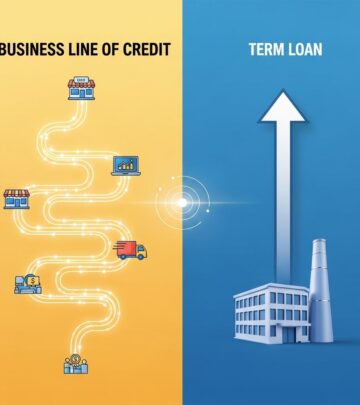
Personal loans and personal lines of credit represent two primary unsecured borrowing methods that help individuals manage expenses without collateral. A personal loan delivers a single lump sum repaid in fixed installments, ideal for defined costs, while a line of credit offers revolving access up to a limit, suiting variable or repeated needs.
Core Mechanisms of Each Borrowing Option
Understanding the foundational operations sets the stage for informed decisions. Personal loans function as installment credit, where lenders disburse the full approved amount immediately upon agreement. Borrowers then commit to equal monthly payments covering principal and interest over terms typically spanning 12 to 84 months. This structure ensures budgeting stability since payments remain constant regardless of usage.
In contrast, lines of credit operate on a revolving basis. Lenders approve a maximum limit, often $2,000 to $50,000, and borrowers draw funds as required during a draw period of 2 to 5 years. Repayments reduce the balance, restoring availability for future draws. After the draw phase, a repayment-only period follows, potentially extending to 10 years total. Interest applies solely to drawn amounts, potentially lowering costs for minimal usage.
Interest Rate Structures and Their Implications
Fixed Rates in Personal Loans: Most personal loans feature fixed annual percentage rates (APRs), locking in costs from disbursement. This shields against market fluctuations, aiding long-term planning. Rates generally range lower than credit cards for qualified applicants, often 6% to 36% based on credit profiles.
Variable Rates in Lines of Credit: These tie to indexes like the prime rate plus a margin, causing adjustments with economic shifts. While starting lower, rises can elevate payments. Borrowers pay interest only on utilized funds, unlike loans charging on the entire sum.
| Feature | Personal Loan | Line of Credit |
|---|---|---|
| Interest Type | Fixed | Variable |
| Interest Calculation | On full amount | On drawn balance |
| Rate Predictability | High | Low |
Access and Disbursement Differences
Personal loans provide instant full access, perfect for immediate large outlays like medical bills or vehicle repairs. No further draws occur post-disbursement.
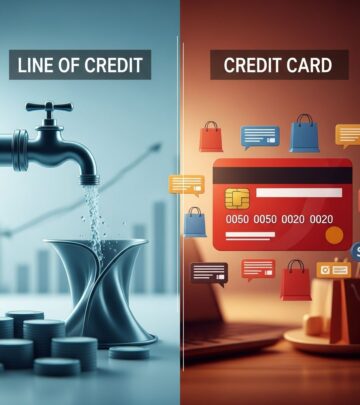
Lines of credit grant ongoing access, akin to a safety net for unpredictable costs such as home maintenance phases or emergency funds. Draws via checks, transfers, or cards replenish as repaid. This reusability suits fluctuating demands but demands discipline to avoid overextension.
Repayment Terms and Flexibility
Loans mandate fixed payments from day one, blending principal and interest to zero the balance by term end. Early payoff often incurs no penalty, accelerating savings.
Lines feature minimum payments during draws—interest-only or small principal—easing short-term cash flow. Post-draw, amplified payments repay the balance. Variable rates can inflate obligations if indexes climb.
- Loan Repayment: Predictable, structured amortization.
- Line Repayment: Flexible minima initially, stricter later.
Costs Beyond Interest: Fees and Charges
Personal loans may include origination fees (1-8% of amount) deducted upfront, plus rare prepayment penalties. No annual fees typically apply.
Lines often carry annual maintenance fees ($25-$150), draw/transaction fees per access, and inactivity charges. These accumulate if unused, eroding value.
Impact on Credit Profiles
Both require hard inquiries, temporarily dipping scores 5-10 points. Loans add installment debt, diversifying profiles positively if managed well. Lines increase revolving utilization if maxed, risking score drops.
On-time payments boost scores for both; delinquencies harm equally after 30 days. Loans shorten debt mix timelines versus revolving’s persistence.
Ideal Scenarios for Personal Loans
Select loans for singular, quantifiable expenses:
- Debt consolidation to lower rates.
- Major purchases like appliances or weddings.
- One-off emergencies with known totals.
Their predictability suits budget-conscious users preferring closure.
When Lines of Credit Shine
Opt for lines in these cases:
- Ongoing projects with phased costs.
- Emergency reserves without full commitment.
- Bridging cash shortfalls flexibly.
Pay-as-you-go interest appeals to conservative borrowers.
Pros and Cons Breakdown
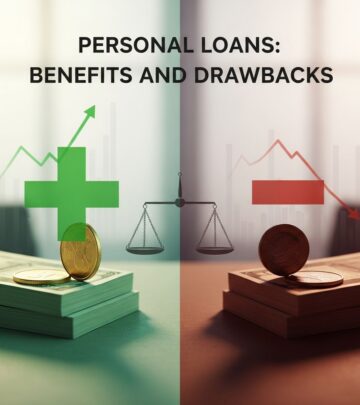
| Aspect | Personal Loan Pros | Personal Loan Cons |
|---|---|---|
| Stable payments; full upfront funds; fixed costs. | Higher total interest potentially; no redraws; fees upfront. | |
| Line of Credit | Flexible access; interest on use only; lower minima. | Rate volatility; accumulating fees; discipline required. |
Factors Influencing Approval and Terms
Lenders evaluate credit scores (typically 670+ FICO preferred), debt-to-income ratios under 40%, stable income, and history. Strong profiles unlock better rates/limits. Unsecured nature means higher rates versus secured alternatives.
Shopping multiple offers within 14-45 days minimizes inquiry damage. Prequalification soft checks preserve scores.
Strategies to Optimize Borrowing
- Assess needs: Lump sum or flexible?
- Compare APRs, fees via tools.
- Improve credit pre-application.
- Avoid maxing lines; pay loans early.
- Consider hybrids if offered.
Frequently Asked Questions
Which has lower rates generally?
Loans often start lower fixed, but lines save via usage-based interest. Depends on draw patterns.
Can I use either for any purpose?
Yes, both unsecured for versatile needs sans restrictions.
Do they build credit similarly?
Both do via on-time payments, but diversify profiles complementarily.
What’s the typical loan amount range?
Loans: $1,000-$100,000; Lines: $2,000-$50,000.
Are variable rates risky?
Potentially, if rising; fixed offers certainty.
Navigating Economic Shifts
In rising rate environments, fixed loans protect; falling rates favor variables. Monitor Federal Reserve actions influencing primes. Inflationary pressures amplify variable risks.
For 2026, with potential rate stabilizations, evaluate personal risk tolerance. Hybrid products blending features emerge from some institutions.
Ultimately, align choice with financial rhythm: structured for loans, adaptive for lines. Consult advisors for tailored fits, ensuring repayments fit budgets sustainably.
References
- Personal Line of Credit vs Personal Loan — BHG Financial. 2024. https://bhgfinancial.com/personal-loans/personal-loan-vs-line-of-credit
- Personal Loan vs. Personal Line of Credit: What’s the Difference? — Experian. 2024. https://www.experian.com/blogs/ask-experian/personal-loan-vs-line-of-credit/
- Personal Loans vs. Personal Lines of Credit: Which Is Best? — NerdWallet. 2024. https://www.nerdwallet.com/personal-loans/learn/personal-loan-vs-line-of-credit
- Personal Loan vs. Personal Line of Credit — PNC Insights. 2024. https://www.pnc.com/insights/personal-finance/borrow/personal-loan-vs-personal-line-of-credit.html
- Personal Line Of Credit Versus Personal Loan: Which Is Better? — A Plus FCU. 2024. https://aplusfcu.org/blog/personal-line-of-credit-versus-personal-loan-which-is-better
Similar Articles








Read full bio of Sneha Tete