Personal Loan To Pay Off Debt: What To Consider Before Applying
Learn when consolidating debt with a personal loan makes financial sense and how to strategically manage your repayment.

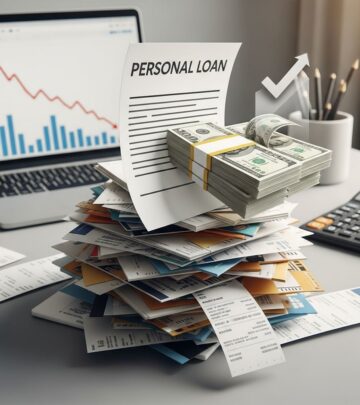
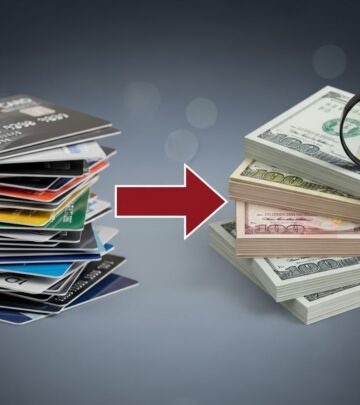
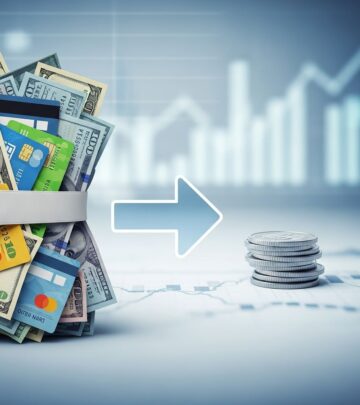
Debt consolidation can be a powerful financial strategy, especially when multiple high-interest debts are weighing you down. One increasingly popular approach involves taking out a personal loan to pay off existing debts, particularly credit card balances. Consolidating your debt with a personal loan is a smart move if you can qualify for a lower interest rate and afford the new payments. This strategy can transform your financial situation, but it’s important to understand both the benefits and potential drawbacks before moving forward.
The Key Benefits of Using a Personal Loan for Debt Consolidation
Personal loans offer several significant advantages when it comes to managing and eliminating debt. Understanding these benefits can help you determine whether this approach aligns with your financial goals.
Lower Interest Rate
One of the most compelling reasons to consider a personal loan is the potential for substantially lower interest rates. Personal loans typically charge lower interest rates than credit cards, meaning you’ll pay less in financing costs while clearing your debt. The average rate on a 24-month personal loan is currently 12.33%, while the average APR on a credit card sits at 21.76%, according to the Federal Reserve. This significant difference can translate to thousands of dollars in savings over the life of your loan, especially if you’re consolidating multiple high-interest credit card balances. For example, if you carry a $10,000 balance on a credit card at 21.76% APR, you’d pay considerably more in interest compared to consolidating that same debt into a personal loan at 12.33%.
Clear Timeline for Debt Freedom
With personal loans, the debt must be repaid by a certain date, typically between two and seven years, depending on the lender. Having a set date by which you’ll be debt free can help you see the light at the end of the tunnel and keep you motivated. This psychological benefit shouldn’t be underestimated—knowing exactly when your debt will be eliminated provides clarity and purpose to your repayment efforts. Unlike revolving credit, where there’s technically no end date if you keep making minimum payments, a personal loan gives you a definitive finish line.
Consistent and Predictable Payments
You’ll make one predictable monthly payment that won’t change if you choose a personal loan with a fixed interest rate. This makes it simpler to budget for than credit card repayments, which can shift month to month as your balance fluctuates and the variable interest rates they typically charge change. So unlike with credit cards, borrowers know upfront exactly what interest rate they’ll pay, the size of their monthly payment and how many months it will take to be debt free. Note that if you opt for a personal loan with a variable interest rate, your payments may change like with a credit card, so it’s crucial to understand your loan terms before committing.
Improved Credit Score Potential
When you max out a credit card or come close to a card’s credit limit, your utilization ratio jumps way above the 30% mark recommended by credit scoring models FICO and VantageScore. Converting that credit card debt to installment debt then reduces the number of accounts you owe on and lowers your utilization ratio, providing a “credit score benefit even before you pay down one penny of your debt.” This immediate boost to your credit profile can have additional benefits beyond just paying off debt faster. The caveat is that this advantage holds true so long as you don’t close out your credit card accounts after paying them with the consolidation loan.
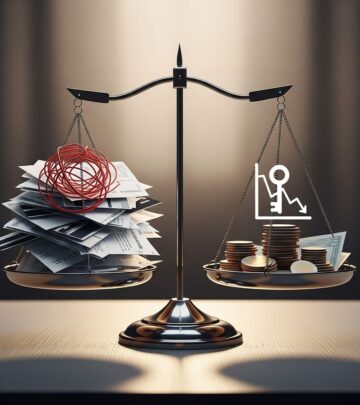
The Downsides of Using a Personal Loan to Consolidate Credit Card Debt
While personal loans offer substantial advantages, they also come with certain drawbacks that deserve careful consideration before you apply.
Credit Score Requirements and Rate Limitations
Many loan companies have a minimum credit score requirement you must meet in order to qualify, typically between 580 and 660. Even if you meet this requirement, you won’t get the lowest rates a company offers if your score is in that range. The best repayment terms go to borrowers with top credit scores, high incomes and low debt-to-income ratios. While some lenders do cater to borrowers with low credit scores, the rates they offer could be above 20% and potentially as high as 36%—leaving you paying more than you currently do on your credit cards. Before applying, check your credit score to understand what rates you might qualify for.
Potential for Higher Monthly Payments
Depending on how much you borrow to consolidate your credit card debt and the loan term, your monthly payment could total more than the minimum payment your credit cards currently require. The shorter your chosen repayment timeline, the more likely this is to happen. For instance, if you borrow $10,000 at a 12.33% interest rate and repay it in two years, your monthly payment will be $472. Increase the loan term to four years and the monthly payment drops to $265. Of course, the longer the loan, the more you’ll pay in interest over time. It’s essential to carefully calculate whether you can comfortably afford the monthly payment before committing to a loan.
Limited Payment Flexibility
Once you’ve agreed to a personal loan amount and term, you’re tied to that payment until the loan ends. You cannot borrow more or pay a different amount each month as with a credit card. So if you like having the option to drop down to the minimum payment on a credit card when needed, a personal loan’s rigid schedule likely won’t suit you. Some lenders may have a forbearance option where you can temporarily postpone your payments, but these will vary by lender and typically require some demonstration of financial hardship. Before selecting a personal loan, ensure that you can commit to consistent monthly payments regardless of your financial circumstances.
Should You Use a Personal Loan for Debt Consolidation?
Even with the potential downsides, experts typically see using a personal loan for consolidation as a smart move. It often makes sense to use a personal loan to pay off credit card debt. “You’re converting credit-score damaging revolving debt into score benign installment debt and APRs on personal loans are almost always lower than rates on credit cards so they’re less expensive.” This fundamental advantage makes personal loans an attractive option for most people struggling with credit card debt.
Ensuring Your Readiness for Consolidation
Even if you have a high credit score and lenders offer you favorable repayment terms, review your budget to be sure you can handle your new payment obligation each month before signing any loan agreement. “If you are truly committed to not using your card to add to your debt and can make monthly payments on time then you can consider using a personal loan to pay off debt,” says a certified financial planner. This commitment is crucial—consolidating debt only works if you don’t accumulate new balances on your credit cards. Without this discipline, you could end up with both a personal loan payment and new credit card debt, worsening your financial situation.
Alternative Consideration: Secured Personal Loans
For homeowners, secured personal loans present another option worth exploring. These loans are backed by collateral, typically your home. Depending on the lender, you may be given a loan term ranging from five to 30 years, providing more time to pay off your debt and potentially get a lower monthly payment than you could with a personal loan. However, this also means lenders can foreclose on your home if you default, so this option requires careful consideration and a strong commitment to repayment.
Frequently Asked Questions About Personal Loans for Debt Consolidation
Q: What’s the difference between debt consolidation and debt management?
A: Debt consolidation combines multiple debts into a single loan, simplifying payments and often reducing interest rates. Debt management, on the other hand, typically involves working with a credit counselor to create a repayment plan without necessarily combining debts into a new loan.
Q: Can I consolidate non-credit card debt with a personal loan?
A: Yes, personal loans can be used to consolidate various types of debt including medical bills, personal loans, and other outstanding balances—not just credit card debt.
Q: How long does the personal loan application process typically take?
A: Most personal loan applications can be processed within a few business days, with some lenders offering same-day or next-day funding once approved.
Q: What if I can’t qualify for a personal loan?
A: If you don’t qualify for a traditional personal loan, consider alternative strategies like the debt avalanche method (paying highest-interest debt first) or debt snowball method (paying smallest balance first), or explore lenders who specialize in bad-credit personal loans, though they may offer higher rates.
Q: Should I close my credit cards after paying them off with a personal loan?
A: Generally, you should keep paid-off credit cards open to maintain your available credit and lower your utilization ratio, which benefits your credit score. Closing accounts could actually harm your credit profile.
Q: What happens if I want to pay off my personal loan early?
A: Many personal loans allow early repayment without penalties, enabling you to save on interest. However, some lenders may charge prepayment penalties, so always verify this before taking out a loan.
Making Your Decision
Using a personal loan to pay off debt represents a strategic financial move that can save you thousands in interest while providing psychological benefits through a clear repayment timeline. The key is ensuring that you qualify for favorable rates, can comfortably afford the monthly payments, and are committed to avoiding new debt accumulation. By carefully weighing the benefits against the drawbacks and honestly assessing your financial discipline, you can determine whether a personal loan is the right debt consolidation strategy for your unique situation.
References
- When You Should Take Out a Personal Loan to Pay off Debt — Money Magazine. 2025-11-29. https://money.com/use-personal-loan-to-pay-off-debt/
- Our best strategies for paying off credit card debt — Money Magazine. https://money.com/how-to-pay-off-credit-card-debt/
- What Is Debt Consolidation and How Does It Work? — Money Magazine. https://money.com/understanding-debt-consolidation/
- Federal Reserve Data on Personal Loan and Credit Card Interest Rates — Federal Reserve. 2025. https://www.federalreserve.gov/
- Answer These 6 Questions to Find the Right Debt Payoff Plan — Money Magazine. https://money.com/plan-to-pay-off-debt/
Similar Articles








Read full bio of medha deb