Why You Should Use a Personal Loan to Pay Down Debt
Consolidate multiple debts into one manageable payment with lower interest rates.

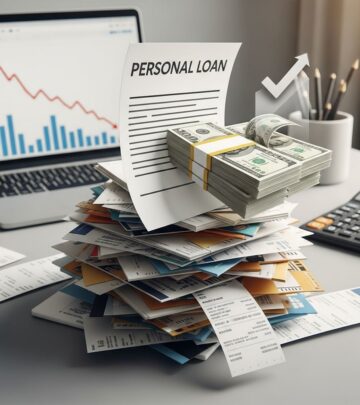
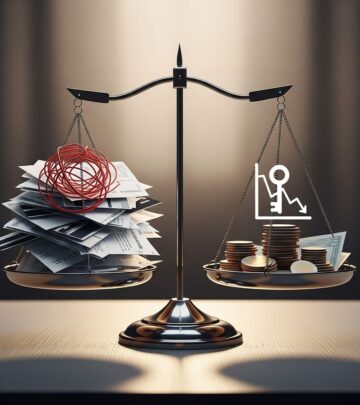
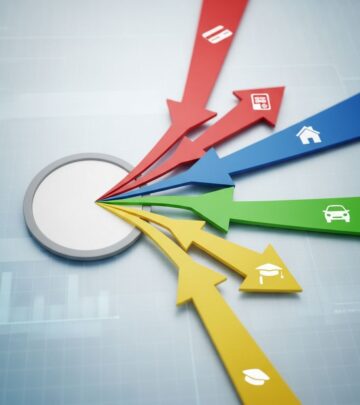
Managing multiple debts can be overwhelming and financially draining. Between credit card balances, personal loans, and other outstanding obligations, keeping track of various payment schedules and interest rates becomes increasingly complex. A personal loan offers a practical solution to simplify your finances and potentially save thousands of dollars in interest payments. By consolidating your existing debts into a single loan with a lower interest rate, you can accelerate your path toward financial freedom and regain control of your financial situation.
Understanding Debt Consolidation Through Personal Loans
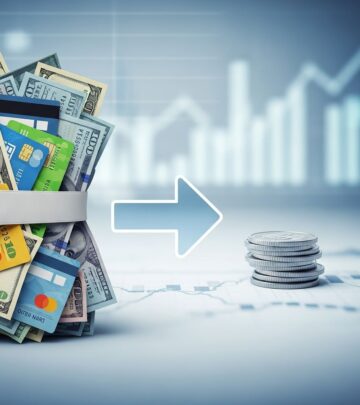
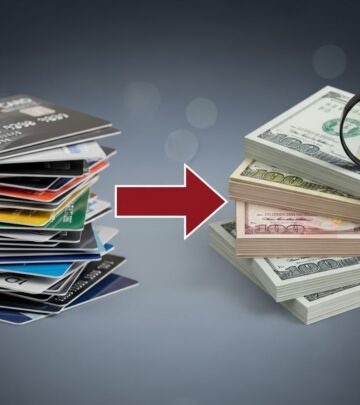
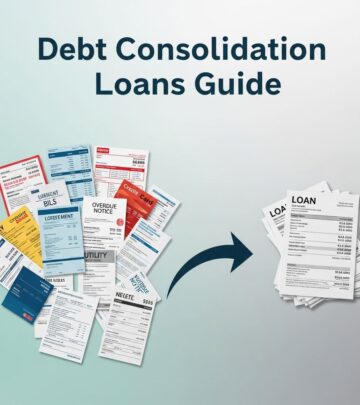
A personal loan used for debt consolidation is a new loan that you take out to pay off multiple existing debts. Instead of managing several monthly payments to different creditors, you make one consolidated payment to your personal loan lender. This approach significantly simplifies your financial management and can make budgeting more straightforward.
Personal loans typically come with lower interest rates compared to credit cards, which can range from 15% to 25% or higher. By using a personal loan to pay off credit card debt, you not only consolidate your obligations but also potentially reduce the total interest you’ll pay over time. This dual benefit makes personal loans an attractive option for individuals carrying multiple debts with varying interest rates.
Key Advantages of Using a Personal Loan for Debt Payoff
Simplified Payment Management
One of the most immediate benefits of using a personal loan to consolidate debt is the simplification of your monthly obligations. Rather than juggling multiple payments with different due dates, creditors, and payment amounts, you’ll have a single monthly payment to manage. This unified approach reduces the risk of missed payments and helps you stay organized.
Lower Interest Rates
Personal loans generally offer significantly lower interest rates than credit cards. This interest rate advantage is one of the most compelling reasons to consider consolidation. The lower your interest rate, the more of your monthly payment goes toward reducing your principal balance rather than paying interest charges. Over the life of the loan, this can save you hundreds or even thousands of dollars.
Fixed Repayment Terms
Personal loans come with fixed repayment terms, typically ranging from 2 to 7 years. Knowing exactly when your debt will be paid off provides psychological relief and helps with long-term financial planning. This is quite different from credit card debt, which can stretch indefinitely if you only make minimum payments.
Potential Budget Relief
Consolidating multiple debts into a single personal loan can free up monthly cash flow, especially if the consolidated payment is lower than your combined previous payments. This extra breathing room in your budget allows you to allocate funds toward emergency savings, retirement accounts, or other financial goals.
Improved Credit Score Potential
Using a personal loan to pay off credit card balances can positively impact your credit score. When you pay off credit cards, your credit utilization ratio decreases significantly, which is a major factor in credit scoring models. A lower utilization ratio typically boosts your credit score.
How Personal Loans Compare to Other Debt Payoff Strategies
| Strategy | How It Works | Best For | Pros | Cons |
|---|---|---|---|---|
| Personal Loan Consolidation | Take out one loan to pay off multiple debts | Multiple debts with varying interest rates | Simplified payments, lower interest rates, structured timeline | Credit requirements, application fees |
| Debt Snowball Method | Pay smallest debts first while maintaining minimums on others | Quick wins and motivation | Fastest path to first paid-off debt, psychological boost | May not save the most on interest |
| Debt Avalanche Method | Pay highest-interest debts first | Maximum interest savings | Saves the most money on interest | Can take longer to pay off first debt |
| Balance Transfer Card | Transfer balance to card with promotional low interest rate | Short-term debt reduction | Temporary interest relief | Requires good credit, temporary benefits, transfer fees |
Steps to Using a Personal Loan for Debt Consolidation
1. Assess Your Total Debt
Before applying for a personal loan, gather information on all your debts. List each creditor, outstanding balance, interest rate, and minimum monthly payment. This comprehensive overview helps you understand the full scope of your financial obligations and determine how much you need to borrow.
2. Calculate Your Potential Savings
Research personal loan rates from multiple lenders and calculate how much interest you would pay with a consolidation loan compared to your current debts. For example, if you have a $20,000 car loan at 3% interest over 60 months, you would pay more than $1,500 in interest. A personal loan at a lower rate could significantly reduce this figure.
3. Check Your Credit Score
Your credit score affects your eligibility for a personal loan and the interest rate you’ll receive. Review your credit report for errors and take steps to improve your score if needed. Most lenders require a decent credit score to approve personal loans with favorable rates.
4. Compare Lender Options
Don’t settle for the first personal loan offer. Compare rates, terms, and fees from banks, credit unions, and online lenders. Even small differences in interest rates can translate to significant savings over the loan term.
5. Apply and Review Terms
Once you’ve selected a lender, complete the application process. Carefully review all loan terms, including the interest rate, repayment period, monthly payment amount, and any fees associated with the loan.
6. Use Funds to Pay Off Debts
After loan approval, use the funds to immediately pay off your existing debts. Ensure that payments are applied directly to principal balances, not just credited as account adjustments.
Maximizing Your Debt Consolidation Results
Avoid accumulating new debt: After consolidating, resist the temptation to use newly available credit cards. The goal is to reduce total debt, not maintain the same level while adding new obligations.
Create a realistic budget: Develop a budget that accommodates your new personal loan payment while still allowing for essential expenses and a modest emergency fund.
Consider making extra payments: If your loan terms allow, make extra payments toward principal when possible. Even small additional payments can shave months or years off your repayment timeline and save substantial interest.
Explore consolidation alternatives: While personal loans are effective, you might also consider combining strategies. For instance, use a consolidation loan to eliminate credit card debt, then apply the debt avalanche method to any remaining debts like student loans or vehicle loans.
Important Considerations Before Consolidating
Potential Drawbacks
While personal loans offer many advantages, they’re not without potential downsides. Some loans carry prepayment penalties that discourage early payoff. Review your loan agreement carefully to understand all terms and conditions. Additionally, consolidation loans may require fees such as origination fees or application fees, which should be factored into your decision.
Loan Terms Matter
The length of your loan term affects your monthly payment and total interest paid. While a longer term lowers your monthly payment, it increases total interest. Conversely, a shorter term means higher monthly payments but less interest overall. Calculate different scenarios to find the optimal balance for your financial situation.
Cash Flow Considerations
Paying down debt aggressively may impact short-term cash flow. If you’re redirecting significant funds toward debt repayment, ensure you’re not sacrificing essential expenses or depleting emergency savings. A balanced approach maintains financial flexibility while progressing toward debt elimination.
The Long-Term Financial Impact
Using a personal loan to consolidate debt produces substantial long-term benefits beyond immediate interest savings. Eliminating debt reduces financial stress and provides peace of mind about your financial obligations. With debt paid off, you can redirect monthly payments toward retirement savings, emergency funds, or other wealth-building goals.
Paying down debt also improves your financial flexibility. Once debts are eliminated, you’re better positioned to handle unexpected expenses, pursue opportunities, or make major life decisions without the burden of existing obligations.
Frequently Asked Questions
Q: Will consolidating my debts with a personal loan hurt my credit score?
A: Initially, a hard inquiry for the loan application may cause a small, temporary dip in your score. However, as you consolidate credit card debt and improve your credit utilization ratio, your score typically recovers and improves over time. The long-term benefit of lower utilization usually outweighs the short-term impact.
Q: How much can I borrow with a personal loan?
A: Personal loan amounts vary by lender but typically range from $1,000 to $100,000. The amount you can borrow depends on factors including your credit score, income, existing debt, and employment history. Lenders evaluate these factors to determine your borrowing capacity.
Q: Can I consolidate all types of debt with a personal loan?
A: Personal loans work best for unsecured debts like credit cards, medical bills, and personal loans. While some lenders may allow you to consolidate secured debts like auto loans, this is less common. Consult with lenders about their specific consolidation policies.
Q: What interest rate should I expect on a personal loan?
A: Personal loan interest rates typically range from 6% to 36%, depending on your creditworthiness, the lender, and market conditions. Those with excellent credit scores receive lower rates, while those with fair or poor credit pay higher rates. Rates are usually significantly lower than credit card rates.
Q: How long does the personal loan application process take?
A: Many online lenders provide approval decisions within 24 hours, with funds sometimes disbursed within a few business days. Traditional banks may take longer, typically 5-7 business days. The timeline varies by lender and your specific circumstances.
Q: What if I can’t qualify for a personal loan?
A: If traditional personal loans aren’t available, consider alternative strategies such as the debt snowball or avalanche methods, balance transfer cards, or seeking help from a nonprofit credit counselor who can negotiate with creditors on your behalf.
Conclusion: Taking Control of Your Financial Future
Using a personal loan to consolidate and pay down debt is a strategic financial decision that can transform your relationship with money. By reducing multiple payments to a single manageable obligation with a lower interest rate, you simplify your finances and accelerate your journey toward debt freedom. The interest savings, combined with psychological benefits of simplified management and fixed payoff timelines, make personal loans an effective tool for debt elimination. Start by assessing your current debt situation, researching lender options, and calculating potential savings. With careful planning and disciplined execution, you can leverage a personal loan to achieve lasting financial stability and freedom.
References
- How to Pay Off These 4 Types of Debt — Wise Bread. Accessed January 2026. https://www.wisebread.com/how-to-pay-off-these-4-types-of-debt
- Paying Off Debt Early: Pros and Cons — Nevada State Bank. November 1, 2022. https://www.nsbank.com/personal/community/two-cents-blog/2022-11-01-paying-off-debt-early/
- How to Pay Off Credit Card Debt: Strategies, Comparisons, and Tips — Freedom Debt Relief. Accessed January 2026. https://www.freedomdebtrelief.com/credit-card-debt/how-to-pay-off-credit-card-debt/
Similar Articles








Read full bio of Sneha Tete