Personal Lines of Credit: Credit Impact Guide
Discover how a personal line of credit influences your credit score, from application effects to long-term management strategies for optimal financial health.
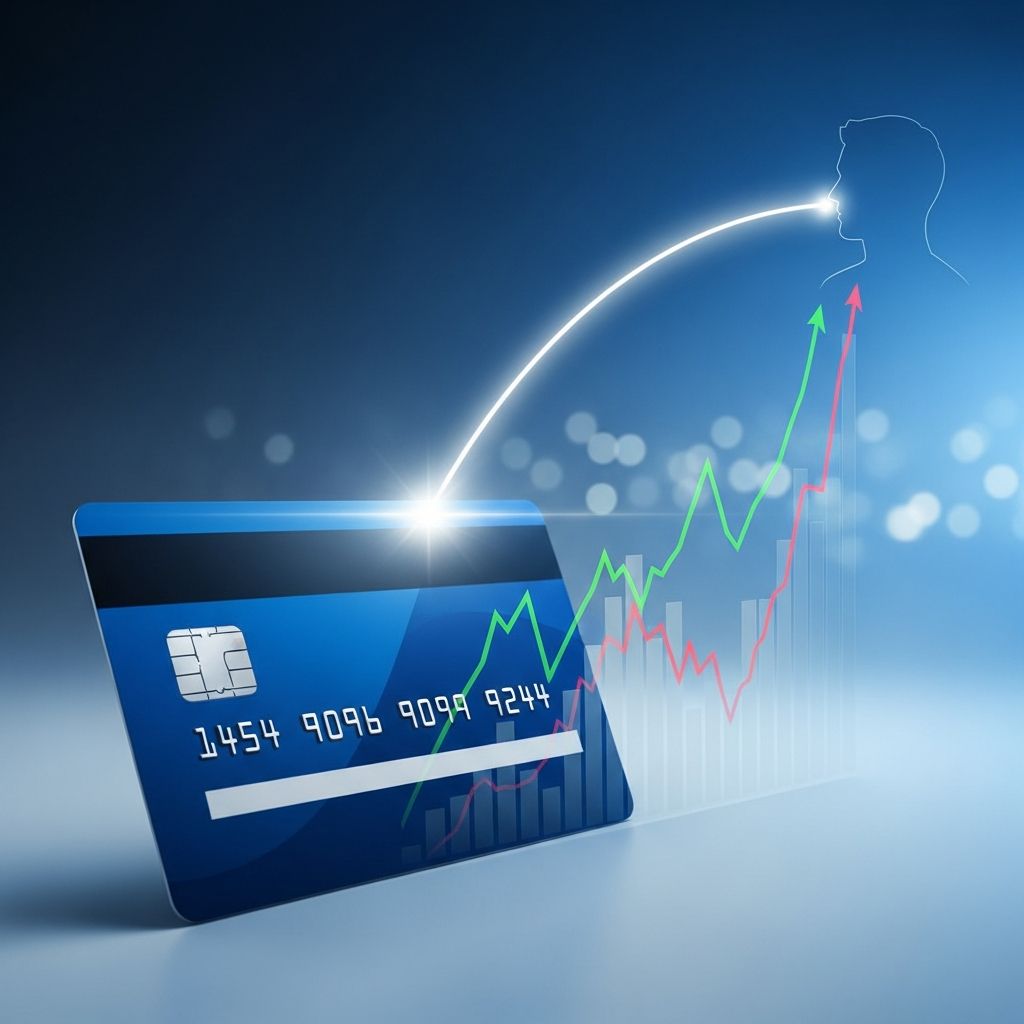
A personal line of credit (PLOC) functions as revolving credit, enabling borrowers to draw funds up to a set limit, repay them, and borrow again, much like a credit card but often with distinct terms. Understanding its influence on credit health is essential for anyone considering this borrowing option.
Understanding Personal Lines of Credit Basics
Unlike installment loans that provide a lump sum repaid in fixed payments, a PLOC offers flexible access to funds during a draw period, typically lasting several years. Borrowers pay interest solely on the amount drawn, not the full limit, which can make it cost-effective for variable needs like home repairs or bridging income gaps. Credit limits range from hundreds to $50,000, determined by factors such as income, credit history, and existing debts. Lenders often set variable interest rates, starting around 10.75% at some banks, which may fluctuate.
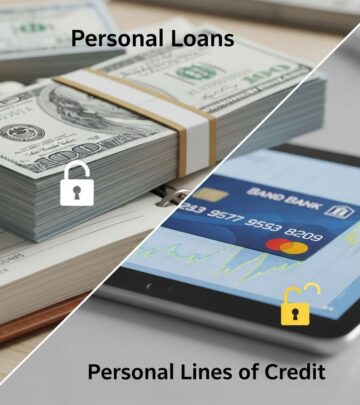
Securing a PLOC usually requires no collateral, classifying it as unsecured debt. Approval hinges on creditworthiness; those with scores in the mid-600s or higher qualify for better rates, while poorer credit may lead to higher costs or denials.
Immediate Credit Score Effects from Applying
Submitting an application triggers a hard inquiry on your credit report, temporarily lowering your score by a few points. This effect is short-lived, typically fading within months, but multiple inquiries in a short period can compound the impact.
- Hard pull duration: Remains on report for two years, but primary score effect lasts about 12 months.
- Multiple applications: Avoid shopping around excessively; rate-shop within a 14-45 day window to minimize hits, depending on scoring models.
Upon approval, the new account adds a revolving credit line to your profile, initially boosting available credit if utilization stays low.
Credit Utilization: The Dominant Factor
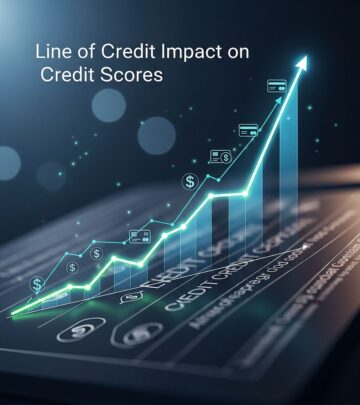
**Credit utilization**, the ratio of balances to limits across revolving accounts, comprises 30% of FICO scores. High utilization signals risk to lenders, dragging scores down; keeping it under 30% supports positive scoring.
Opening a PLOC expands total credit, potentially diluting utilization if managed well. For instance, drawing minimally preserves low ratios, enhancing scores. Overuse, however, spikes utilization, harming credit. NerdWallet advises capping PLOC draws at 30% of the limit.
| Utilization Level | Score Impact | Recommendation |
|---|---|---|
| 0-10% | Highly positive | Ideal for score optimization |
| 10-30% | Positive | Safe range for borrowing |
| 31-50% | Neutral to negative | Monitor closely |
| Over 50% | Strongly negative | Pay down immediately |
Since PLOCs report balances monthly, time draws and repayments to reflect lows at statement cycles.
Payment History and Account Age Influences
Payment history, 35% of FICO scores, demands on-time PLOC payments. Minimum payments cover interest plus principal on drawn amounts; variability arises from usage, unlike fixed loan schedules. Late payments incur fees and score damage lasting up to seven years.
New accounts dilute average age of accounts (15% of score), a minor short-term dip. Responsible use over time lengthens history, bolstering scores. Closing unused PLOCs risks shortening average age and reducing credit mix.
Comparing PLOCs to Other Credit Products
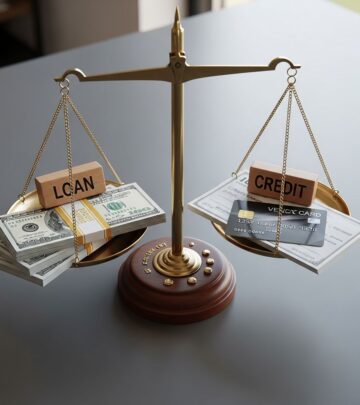
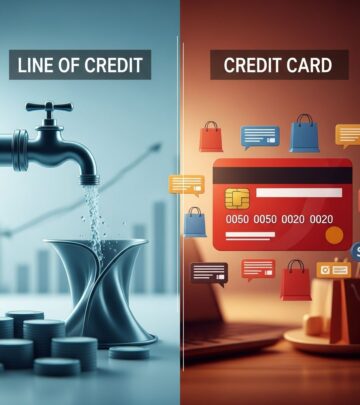
PLOCs offer advantages over credit cards like lower rates and higher limits but lack grace periods, accruing interest immediately on draws.
| Feature | PLOC | Credit Card | Personal Loan |
|---|---|---|---|
| Borrowing Style | Revolving, as needed | Revolving, as needed | Lump sum, fixed |
| Interest on Use Only | Yes | Yes (post-grace) | No, full amount |
| Rates | Variable, ~10-15% | 15%+ | Fixed, ~7-36% |
| Limit Range | $500-$50K | Varies lower | $1K-$100K |
| Collateral | Usually none | None | Sometimes |
Versus home equity lines, PLOCs avoid property risk but carry higher unsecured rates.
Strategic Tips for Positive Credit Building
- Set autopay: Ensures timely payments, avoiding negatives.
- Low utilization strategy: Draw only essentials; repay promptly to refresh limit.
- Monitor reports: Check free weekly via AnnualCreditReport.com for errors.
- Avoid maxing out: Treat as emergency fund to prevent overuse.
- Build history: Keep open long-term with occasional low use.
Disciplined management turns PLOCs into credit-building tools, especially for those with thin files.
Potential Downsides and Mitigation
Variable payments challenge budgeting; higher unsecured rates burden fair-credit borrowers. No grace period means instant interest, unlike cards. Overspending temptation looms with easy access.
Mitigate by selecting fee-free options, understanding terms, and using for planned needs like renovations. Bad credit applicants face steep rates or collateral demands.
Ideal Scenarios for PLOC Usage
Suited for unpredictable costs: home projects, debt consolidation, or income fluctuations. Flexibility shines for commission-based earners or phased expenses. Fast funding aids urgencies without full loan commitments.
Frequently Asked Questions
Does opening a PLOC hurt my credit score?
Yes, temporarily via hard inquiry and new account, but low utilization can quickly offset this.
How much of my PLOC limit should I use?
Keep usage under 30% for best score effects; ideally below 10%.
Are PLOC interest rates fixed?
No, typically variable, tied to market indices.
Can I get a PLOC with bad credit?
Possible, but expect higher rates or collateral.
Does paying off a PLOC improve credit?
Yes, lowers utilization and shows positive payment history.
Long-Term Credit Health Considerations
Incorporate PLOCs into a mix of credit types for diversified profiles. Regular reviews ensure alignment with goals. As scores rise, refinance opportunities emerge for better terms. Responsible use fosters financial agility without derailing credit progress.
References
- Personal Lines of Credit: Should or Shouldn’t You? — Upstart. 2023. https://www.upstart.com/learn/personal-lines-of-credit-should-or-shouldnt-you/
- 12 Pros and Cons of Getting a Personal Line of Credit — NetCredit. 2023. https://www.netcredit.com/blog/why-get-a-personal-line-of-credit/
- What is a Personal Line of Credit? — Citi. 2024. https://www.citi.com/personal-loans/learning-center/line-of-credit/what-is-a-personal-line-of-credit
- What Is a Personal Line of Credit? — NerdWallet. 2025-01-15. https://www.nerdwallet.com/personal-loans/learn/personal-line-credit
- What is a Personal Line of Credit? — Consumer Financial Protection Bureau. 2023. https://www.consumerfinance.gov/ask-cfpb/what-is-a-personal-line-of-credit-en-901/
Similar Articles








Read full bio of medha deb