Understanding Personal Insolvency: Filing Options and Financial Recovery
Navigate debt relief strategies and rebuild your financial future after insolvency

When overwhelming debt becomes unmanageable, individuals facing severe financial hardship may consider filing for insolvency protection under federal law. The bankruptcy system provides a structured framework through which debtors can either liquidate assets to settle obligations or establish a repayment arrangement over time. Understanding the available options, the mechanics of each approach, and the long-term consequences of filing is essential for making an informed decision about your financial future.
The Foundation of Debt Relief: How Insolvency Protection Works
Federal bankruptcy law establishes a legal process that allows individuals and businesses to address debts they cannot pay. When a debtor files for protection, an automatic stay takes effect, which halts collection activities, wage garnishments, and foreclosure proceedings initiated by creditors. The court assigns an administrator called a trustee to oversee the case and ensure the process follows established procedures and protections for all parties involved.
The fundamental goal of any insolvency filing is to provide a fresh financial start. Depending on the type of protection selected, a debtor either transfers non-exempt assets to the trustee for distribution to creditors, or develops a structured repayment plan approved by the court and creditors. Upon successful completion of either process, remaining unpaid obligations are eliminated, freeing the debtor from further liability. While it is possible to navigate this process independently, working with an attorney experienced in debt relief law significantly improves the likelihood of a favorable outcome and ensures proper representation throughout proceedings.
Liquidation-Based Insolvency Relief: The Chapter 7 Path
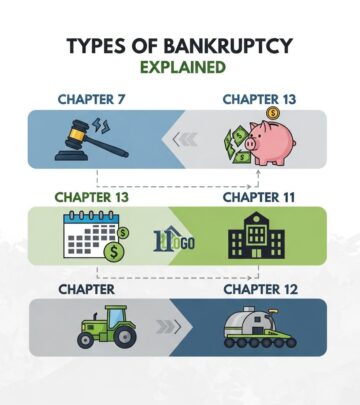
Chapter 7 protection, commonly called straight or liquidation bankruptcy, serves individuals with minimal assets and limited income who have little prospect of repaying what they owe. This option moves quickly compared to other relief types, making it attractive to those seeking immediate relief from creditor pressure.
Core Mechanics of Liquidation Filing
In a Chapter 7 proceeding, the court appoints a trustee responsible for identifying, valuing, and selling non-exempt assets belonging to the debtor. The proceeds from asset sales are then distributed among creditors according to a priority established by federal law. Unsecured debts—such as credit card balances, medical bills, and personal loans—are typically discharged entirely once the liquidation process completes. However, certain obligations cannot be eliminated through this process, including student loans (except in cases of undue hardship), recent income tax liabilities, court-ordered child support, and alimony payments.
Protected Property and Exemptions
Federal law and individual state laws provide exemptions protecting certain property from liquidation. These exemptions recognize that debtors require basic resources to survive and rebuild. Commonly protected items include:
- Primary residence equity up to a specified limit
- Personal vehicles necessary for transportation and employment
- Tools and equipment required for professional work
- Household furnishings and personal items
- Retirement account balances in many jurisdictions
- Life insurance proceeds and annuities
State law typically determines the specific exemptions available, and amounts vary considerably. Some states allow debtors to choose between federal exemptions or state-specific protections, while others mandate exclusive use of state exemptions. Understanding which exemptions apply to your situation is crucial for predicting what assets remain vulnerable to liquidation.
Eligibility and Limitations
The primary eligibility barrier for Chapter 7 filing involves satisfying the means test, a calculation comparing household income to the median income for similar-sized families in your state. Filers with income above the median must demonstrate that their discretionary income—after deducting allowable living expenses—is insufficient to fund a repayment plan. Individuals who fail the means test may be required to pursue a reorganization filing instead.
An important limitation affects sole proprietors, partnerships, and incorporated businesses filing under Chapter 7. While individual debtors can receive a discharge eliminating personal liability for remaining debts, businesses cannot be discharged from unpaid obligations. This means corporate debts typically result in complete asset liquidation with minimal recovery for shareholders or owners.
Reorganization-Based Relief: The Chapter 13 Framework
Chapter 13 protection, often called a wage earner’s plan or debt adjustment bankruptcy, enables individuals with regular income to consolidate obligations and establish a court-approved repayment arrangement. This option allows debtors to retain assets while satisfying creditor claims through manageable installments over three to five years.
Repayment Plan Structure and Requirements
Under Chapter 13 protection, the debtor works with legal counsel to develop a comprehensive repayment proposal detailing how creditors will be satisfied over the plan period. The plan must demonstrate that proposed payments represent the debtor’s total disposable income—revenue minus necessary living expenses and other priority obligations. Secured creditors, such as mortgage lenders and auto loan companies, typically receive full payment of what is owed, while unsecured creditors often receive partial payment or “pennies on the dollar.”
Once the court approves the repayment plan, the debtor makes monthly payments to a court-appointed trustee who distributes funds to creditors according to the approved arrangement. Importantly, creditors lose their right to pursue independent collection activities; the automatic stay prevents wage garnishments, lawsuits, and other enforcement actions. This protection allows debtors to stabilize their financial situation while maintaining employment and household stability.
Asset Retention and Creditor Protection
A significant advantage of Chapter 13 protection compared to liquidation is that debtors retain full ownership and control of their property throughout the repayment period. Unlike Chapter 7, where a trustee liquidates non-exempt assets, Chapter 13 filers keep their home, vehicles, and other possessions provided they comply with plan payment requirements.
The framework also offers powerful protections for homeowners facing foreclosure or vehicle owners behind on loan payments. A debtor can include past-due mortgage or car loan amounts in the repayment plan, allowing them to catch up on arrearages while maintaining ownership of the property. This capability to preserve home ownership while addressing accumulated arrears makes Chapter 13 particularly valuable for individuals who experience temporary income disruptions but retain the capacity to resume normal debt service.
Eligibility Standards and Income Requirements
Chapter 13 protection is available exclusively to individuals with regular income—whether from employment, self-employment, Social Security, pension benefits, or other reliable sources. The debtor must have unsecured debts not exceeding a specified amount and secured debts below another threshold. These limits are adjusted periodically to reflect inflation.
Importantly, individuals who earn above the state median income and fail the Chapter 7 means test may still qualify for Chapter 13 relief. High-income earners can utilize this protection to reorganize debts even when liquidation bankruptcy is no longer available, provided they meet the debt amount limitations and can demonstrate the ability to fund a feasible repayment plan.
Specialized Protections for Specific Circumstances
Chapter 11 Reorganization for Complex Situations
While Chapter 11 protection primarily serves businesses, individuals sometimes utilize this chapter when other options prove unavailable. Typically, high-income earners who exceed Chapter 13 debt limits or have unique financial structures benefit from Chapter 11’s flexibility. The process requires developing a comprehensive reorganization plan, obtaining court approval, and funding payments to creditors over an extended period. Chapter 11 proceedings involve significantly greater complexity and cost than Chapters 7 or 13, making this option most suitable for those with substantial assets or income unable to fit within other frameworks.
Chapter 12 for Agricultural Operations
Family farming and commercial fishing operations qualify for Chapter 12 protection, a specialized framework addressing the unique circumstances of agricultural enterprises. This chapter functions similarly to Chapter 13 but with modifications accommodating seasonal income patterns and the specific challenges facing food production businesses. Debtors typically receive 90 days to develop a repayment proposal, with options to extend this timeframe when circumstances warrant. The repayment period generally spans three to five years, during which the business continues normal operations while an administrator monitors compliance.
Immediate and Long-Term Consequences of Insolvency Filing
Credit Report Impact and Score Reduction
Filing for insolvency protection immediately and significantly damages credit scores and creditworthiness. The filing itself appears on credit reports for seven to ten years, with the specific duration depending on the bankruptcy chapter and completion status. During this period, obtaining credit becomes substantially more difficult and expensive. Creditors view recent bankruptcy filers as high-risk borrowers, resulting in higher interest rates on approved credit and more restrictive terms.
Employment and Housing Considerations
While federal law prohibits employers from firing an employee solely based on bankruptcy filing, the practical employment consequences can be substantial. Certain positions—particularly those involving financial responsibility, access to sensitive information, or security clearance requirements—may become unavailable. Government agencies, financial institutions, and employers performing extensive background checks frequently consider bankruptcy history during hiring decisions.
Obtaining housing represents another significant post-filing challenge. Landlords typically conduct credit checks and review rental history, often viewing bankruptcy as a warning sign. Mortgage lenders generally require minimum waiting periods after discharge (typically two to four years for Chapter 7, or case dismissal/completion for Chapter 13) before approving purchase loans. Down payment requirements and interest rates for approved mortgages frequently exceed those offered to borrowers with clean credit histories.
Financial Recovery and Credit Rebuilding
Despite the severe short-term consequences, bankruptcy provides a genuine opportunity for financial recovery when individuals commit to behavioral change. Immediately following discharge, many former bankruptcy filers qualify for secured credit cards—requiring cash collateral against the credit limit—which help rebuild credit history. Authorized user status on someone else’s credit account and installment loans with reasonable rates become available relatively quickly after discharge.
The rebuilding timeline typically spans three to five years, during which consistent on-time payments, manageable debt levels, and responsible financial behavior steadily restore creditworthiness. Many bankruptcy filers report achieving credit scores above 700 within seven years of discharge, particularly those who proactively address the circumstances that led to the original filing.
Deciding Between Available Options
| Factor | Chapter 7 Liquidation | Chapter 13 Reorganization |
|---|---|---|
| Timeline to Discharge | 3-6 months | 3-5 years |
| Asset Retention | Limited to exemptions | Full retention |
| Income Requirements | Must pass means test | Regular income required |
| Debt Elimination | Most unsecured debts | All debts included |
| Creditor Interactions | Limited ongoing contact | Trustee manages payments |
| Best For | Low asset, low income situations | Homeowners wanting to retain property |
Frequently Asked Questions
Can I file for insolvency protection without an attorney?
While federal rules technically permit self-representation, the complexity of bankruptcy procedure, eligibility requirements, and documentation demands makes attorney representation highly advisable. Mistakes in filing, improper asset scheduling, or failure to assert available exemptions can result in losing property unnecessarily or having cases dismissed.
Will I lose my home and vehicle in bankruptcy?
Not necessarily. Chapter 7 protection may allow you to retain your primary residence and one vehicle through applicable exemptions, provided equity does not exceed exemption limits. Chapter 13 protection lets you keep all property while incorporating past-due payments into your repayment plan.
How long does bankruptcy remain on my credit report?
Chapter 7 bankruptcies typically remain visible for ten years from filing date, while Chapter 13 filings appear for seven years. However, impact on creditworthiness diminishes significantly after three to four years of responsible financial behavior post-discharge.
Can student loans be discharged in bankruptcy?
Generally no. Student loans survive bankruptcy discharge unless the debtor proves undue hardship through specific legal tests. This rare exception requires demonstrating that repaying the loan would prevent maintaining a minimal standard of living for the debtor and dependents.
What debts cannot be eliminated?
Non-dischargeable debts typically include recent income taxes, student loans (with rare exceptions), court-ordered support obligations (child support and alimony), and certain criminal fines or restitution requirements.
Moving Forward After Insolvency Filing
The bankruptcy process represents both an ending and a beginning. While it terminates existing debt obligations and provides legal protection from creditor actions, it simultaneously marks the start of a financial recovery period requiring discipline and strategic planning. Rebuilding creditworthiness takes time, but individuals who learn from the circumstances leading to their filing and implement sustainable financial practices often emerge stronger than before.
Consulting with qualified legal and financial professionals throughout the bankruptcy process and recovery period optimizes outcomes and accelerates the path toward restored financial stability. The temporary hardship of bankruptcy protection, properly managed, can provide the foundation for long-term financial health and security.
References
- Bankruptcy Basics — United States Courts. https://www.uscourts.gov/court-programs/bankruptcy/bankruptcy-basics
- An Overview of the Different Types of Bankruptcy — Bill Maddox Law. https://www.billmaddoxlaw.com/articles/an-overview-of-the-different-types-of-bankruptcy/
- Types of Bankruptcy: A Comprehensive Guide — Werner Hoffman Garsky Gould. https://wernerhoffman.com/blog/types-of-bankruptcy/
- Your Guide to Bankruptcy for Individuals — Illinois State Bar Association. https://www.isba.org/public/guide/bankruptcy
- Bankruptcy: How It Works, Types and Consequences — Experian. https://www.experian.com/blogs/ask-experian/credit-education/bankruptcy-how-it-works-types-and-consequences/
Similar Articles








Read full bio of Sneha Tete