Personal Injury Protection (PIP): No-Fault Coverage Explained
Understand PIP insurance: no-fault coverage for medical expenses and lost wages after auto accidents.
Personal Injury Protection (PIP) Insurance: A Complete Guide
Personal Injury Protection, commonly abbreviated as PIP, represents a critical component of auto insurance that provides financial protection following vehicular accidents. Also known as no-fault insurance, PIP coverage ensures that you receive compensation for medical expenses and other accident-related costs regardless of who caused the collision. Understanding how PIP works and what it covers is essential for making informed decisions about your auto insurance policy.
What is Personal Injury Protection?
Personal Injury Protection is an auto insurance coverage type that pays for medical expenses and other accident-related costs incurred by you, your passengers, and sometimes pedestrians struck by your vehicle, regardless of fault determination. The primary purpose of PIP insurance is to provide immediate financial relief following an auto accident, enabling injured parties to receive medical treatment and financial support without waiting for fault to be established through lengthy legal proceedings.
The term “no-fault insurance” refers to the fundamental principle underlying PIP coverage. In no-fault insurance states, your own insurance policy covers your medical expenses and lost wages after an accident, eliminating the need to determine who caused the accident before receiving compensation. This system streamlines the claims process and ensures faster payouts compared to traditional fault-based insurance systems.
How PIP Coverage Works
When you file a PIP claim following an auto accident, your insurance company evaluates your medical expenses and other covered losses. Unlike liability insurance, which only applies if you are found at fault, PIP coverage activates regardless of fault. This means you can file a claim and receive benefits even if you caused the accident or were partially responsible for the collision.
PIP coverage typically applies in the following scenarios: when you suffer injuries as the policyholder in a covered vehicle, when you are a passenger in a vehicle involved in an accident, when you are struck by a vehicle as a pedestrian, or when you are injured while bicycling. In most states, PIP also extends to resident family members living in your household and may cover passengers depending on state-specific regulations.
What Does PIP Insurance Cover?
Personal Injury Protection provides comprehensive coverage for various expenses related to accident-induced injuries and recovery. The specific items covered vary by state and insurance provider, but most PIP policies include the following categories of expenses:
Medical and Healthcare Expenses
PIP coverage encompasses all reasonable and necessary medical expenses directly related to accident injuries. This includes:
– Hospital stays and emergency room visits- Doctor and specialist consultations- Surgical procedures and medical treatments- Ambulance services and emergency transportation- Prescription medications and pharmaceutical treatments- Nursing care and in-home medical assistance- Rehabilitative therapy and physical therapy services- Dental care resulting from accident injuries- Optical treatment and vision correction needed due to injuries- Chiropractic services and alternative medical treatments- Prosthetic devices and medical equipment- X-rays, diagnostic imaging, and laboratory tests- Mental health counseling and psychological treatment
Lost Wages and Income Replacement
When accident injuries prevent you from working, PIP coverage compensates for lost income. This typically covers a percentage of your regular wages, up to a specified weekly or monthly limit, for the duration of your inability to work. Self-employed individuals may also receive coverage, though calculation methods may differ from traditional wage earners.
Replacement Services
If injuries prevent you from performing essential household tasks, PIP may cover the cost of replacement services. Common covered services include childcare, household cleaning, meal preparation, lawn maintenance, and other essential domestic responsibilities that you cannot personally perform during recovery.
Funeral and Survivor Benefits
In tragic circumstances where an accident results in fatality, PIP coverage includes funeral and burial expenses. Additionally, some policies provide survivor benefits for dependent family members of the deceased.
What PIP Does Not Cover
Understanding coverage limitations is equally important as knowing what PIP includes. PIP insurance typically does not cover damage to vehicles, damage to other people’s property, or injuries sustained intentionally. Additionally, PIP excludes injuries caused by accidents involving uninsured vehicles that you own, accidents occurring while committing crimes, or injuries from incidents unrelated to the covered accident.
PIP Requirements by State
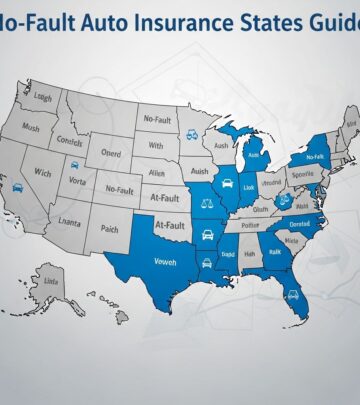
PIP insurance requirements vary significantly across United States jurisdictions. Currently, twelve states and Puerto Rico mandate Personal Injury Protection coverage, making it a legal requirement rather than optional coverage. These no-fault states include Florida, Hawaii, Kentucky, Massachusetts, Michigan, Minnesota, New Jersey, New York, North Dakota, Pennsylvania, Utah, and Washington.
In mandatory PIP states, every auto insurance policy must include Personal Injury Protection coverage with minimum limits established by state law. The specific minimum coverage amounts, covered individuals, and benefit limits differ among these states, reflecting each state’s legislative priorities and insurance regulations.
In states where PIP is optional, drivers can choose whether to add this coverage to their auto insurance policies. Even though it is not legally required in these states, insurance professionals often recommend PIP coverage because of its comprehensive benefits and faster claims processing compared to fault-based systems.
PIP vs. Bodily Injury Liability Coverage
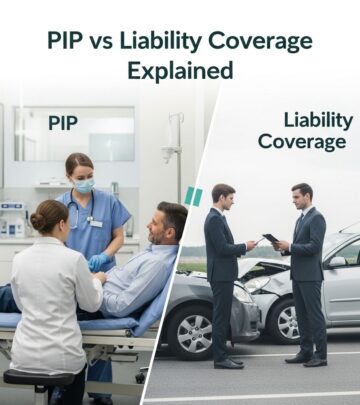
Personal Injury Protection and bodily injury liability coverage represent distinctly different insurance mechanisms serving different protective purposes. Understanding these differences helps prevent confusion when selecting auto insurance coverage.
| Coverage Type | PIP Coverage | Bodily Injury Liability |
|---|---|---|
| Primary Protection Focus | You and your passengers | Other injured parties |
| Fault Requirement | No-fault coverage applies regardless of fault | Only applies if you are found at fault |
| Expenses Covered | Medical bills, lost wages, rehabilitation, funeral expenses | Medical bills, lost wages, legal fees of injured third parties |
| Primary Benefit | Fast compensation without determining fault | Protection from financial liability for injuries you cause |
| Coverage Triggers | Your accident injuries regardless of fault | Only when you are legally liable for others’ injuries |
Bodily injury liability insurance protects you financially when you cause an accident that injures other people. This coverage pays for the medical expenses, lost wages, and legal fees of injured third parties, protecting you from personal financial responsibility for damages you cause. In contrast, PIP focuses exclusively on your own protection and that of your passengers, paying for your medical expenses and related costs without requiring fault determination.
PIP Coverage Limits and Deductibles
Personal Injury Protection policies include coverage limits that specify the maximum amount the insurance company will pay for covered expenses. These limits vary significantly by state, insurance provider, and policy selection. Some states establish minimum required limits, while others allow drivers to choose their preferred coverage level.
Coverage limits may apply on a per-person basis, limiting the maximum payout for any individual injured party, or on a per-accident basis, capping total payments regardless of the number of injured individuals. Most PIP policies include deductibles ranging from zero to five hundred dollars per claim, though higher deductibles may result in lower premium costs.
Key Benefits of Personal Injury Protection
No-Fault Protection
The most significant advantage of PIP coverage is its no-fault nature. You receive compensation for covered expenses without proving that another party caused the accident. This eliminates protracted disputes over fault determination and allows faster access to needed medical care and financial support.
Rapid Claim Resolution
PIP claims typically process much faster than traditional third-party liability claims. Because fault determination is unnecessary, insurance companies can approve and pay claims within days or weeks rather than months or years. This rapid resolution helps injured parties manage expenses during recovery without enduring extended financial hardship.
Comprehensive Financial Protection
Unlike coverage limited to medical expenses alone, PIP provides broad financial protection encompassing medical costs, lost income, rehabilitation, and essential services. This comprehensive approach addresses the full range of financial burdens resulting from accident injuries, not merely immediate medical treatment.
Protection Against Uninsured Drivers
If you are injured by an uninsured or underinsured driver, your PIP coverage protects you. You receive compensation for your medical expenses and related costs through your own insurance policy rather than depending on an at-fault driver’s ability or willingness to pay damages.
Coverage Regardless of Location
Some PIP policies extend coverage beyond accidents occurring in your home state. If you are injured in another state or traveling out of state, you may still receive PIP benefits according to your policy terms, providing protection across jurisdictional boundaries.
Considerations When Selecting PIP Coverage
When evaluating PIP options for your auto insurance policy, several factors warrant consideration. First, verify whether your state requires PIP coverage or permits optional selection. In mandatory PIP states, you must carry coverage meeting minimum legal requirements, while in optional states, you can decide whether additional PIP coverage aligns with your financial protection needs.
Second, assess appropriate coverage limits based on your financial situation and accident risk profile. Higher coverage limits provide greater protection but increase premium costs. Consider your existing health insurance coverage, disability insurance, and emergency savings when determining adequate PIP limits.
Third, compare deductible options offered by insurance providers. Higher deductibles reduce premiums but increase out-of-pocket costs when filing claims. Fourth, review specific coverage details across insurance providers, as covered expenses and benefit limits may vary among companies offering comparable base coverage.
Frequently Asked Questions About PIP Insurance
Q: Is Personal Injury Protection mandatory in all states?
A: No, PIP is mandatory only in twelve states plus Puerto Rico. However, it is available as optional coverage in most other states, and insurance professionals often recommend adding it regardless of legal requirements.
Q: Can PIP coverage apply to passengers in my vehicle?
A: Yes, PIP typically covers passengers injured in your vehicle during an accident. Coverage rules vary by state and may depend on whether passengers carry their own auto insurance policies.
Q: Does PIP cover injuries from accidents where I am partially at fault?
A: Yes, PIP is no-fault coverage that pays for your injuries regardless of fault determination. Even partial responsibility does not disqualify you from receiving PIP benefits.
Q: What is the difference between PIP and medical payments coverage?
A: While both cover medical expenses, PIP provides broader coverage including lost wages and replacement services, whereas medical payments coverage focuses primarily on medical bills. PIP is mandatory in certain states; medical payments coverage is typically optional.
Q: How long does it take to receive PIP benefits after filing a claim?
A: PIP claims generally process faster than traditional liability claims, often within days to weeks, though timelines vary by insurance company and claim complexity.
Q: Can PIP cover funeral expenses if an accident is fatal?
A: Yes, many PIP policies include funeral and burial expense coverage in case of accidental death, though specific limits vary by policy and state.
Q: Does PIP cover injuries sustained while I am a pedestrian or cyclist?
A: Yes, PIP coverage can extend to pedestrians or cyclists struck by vehicles, providing medical expense coverage regardless of your status as a driver or passenger.
Q: What expenses are NOT covered by PIP insurance?
A: PIP does not cover vehicle damage, damage to others’ property, injuries from intentional acts, or injuries from accidents occurring while committing crimes.
Conclusion
Personal Injury Protection represents a valuable auto insurance component providing comprehensive financial protection following vehicular accidents. Its no-fault nature eliminates the need for lengthy fault determination processes, enabling faster claim resolution and immediate access to funds for medical treatment and essential expenses. Whether mandated by state law or available as optional coverage, PIP insurance offers financial security that extends beyond basic medical expense reimbursement to encompass lost wages, rehabilitation, and essential services during recovery periods. When evaluating auto insurance options, carefully consider your state’s PIP requirements, your financial circumstances, and your recovery needs to determine appropriate coverage levels that provide adequate protection for you, your passengers, and your family members.
References
- Personal Injury Protection (PIP) Coverage — GEICO Insurance. 2025. https://www.geico.com/information/aboutinsurance/auto/pip/
- What is Personal Injury Protection Insurance? — Fredson Statmore Legal. 2025. https://fredsonstatmore.com/faq/what-is-personal-injury-protection-insurance/
- Personal Injury Protection (PIP) Coverage — Liberty Mutual Insurance. 2025. https://www.libertymutual.com/vehicle/auto-insurance/coverage/personal-injury-protection
- PIP Insurance in California Guide — Sally Morin Law. 2025. https://www.sallymorinlaw.com/personal-injury/what-is-personal-injury-protection-pip-insurance-in-california/
- Personal Injury Protection PIP vs Medical Payments Coverage — Shiner Law Group. 2025. https://shinerlawgroup.com/personal-injury-protection-pip-vs-medical-payments-coverage/
- Personal Injury Protection Insurance — Allstate. 2025. https://www.allstate.com/resources/car-insurance/personal-injury-protection-coverage
- What Is Personal Injury Protection (PIP) Car Insurance? — The Hartford. 2025. https://www.thehartford.com/aarp/car-insurance/personal-injury-protection
Similar Articles








Read full bio of medha deb