Personal Injury Protection Insurance Explained
Discover how PIP coverage safeguards your medical bills and income after a car accident, regardless of fault—essential for drivers nationwide.

Personal Injury Protection (PIP) insurance, often called no-fault coverage, provides financial support for medical treatments and related losses following a car accident, irrespective of who caused the incident. This coverage ensures quick access to funds for recovery without waiting for fault determination.
Understanding the Fundamentals of PIP Coverage
PIP stands as a vital component of auto insurance policies, designed to protect drivers, passengers, and sometimes household members from the economic fallout of injuries sustained in vehicle-related incidents. Unlike traditional liability insurance, PIP activates regardless of blame, promoting faster claim resolutions and reducing court disputes over minor injuries.
In essence, this coverage bridges immediate financial gaps by reimbursing a portion of healthcare costs and income disruptions. It applies not only when you’re driving your own vehicle but also if you’re a pedestrian struck by a car or a passenger in someone else’s auto, subject to state-specific rules.
Comprehensive Coverage Areas Under PIP Policies
PIP policies typically encompass a broad spectrum of expenses to aid recovery. Key areas include:
- Healthcare Costs: Hospital visits, surgeries, ambulance rides, medications, X-rays, dental work, chiropractic care, and prosthetic devices.
- Income Replacement: A percentage of lost earnings if injuries prevent work, often 60-80% depending on the state.
- Household Assistance: Payments for services like childcare, cleaning, or yard maintenance when you’re unable to perform them.
- Rehabilitation and Disability: Therapy sessions, ongoing medical support, and disability benefits.
- Funeral Expenses: Death benefits for beneficiaries in fatal accidents.
These benefits extend to policyholders, listed passengers, and resident relatives, ensuring family-wide protection.
State-by-State Variations in PIP Requirements
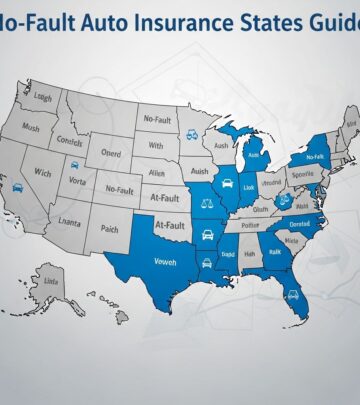
Not all states mandate PIP, creating a patchwork of regulations across the U.S. Approximately 12 states enforce no-fault systems requiring PIP, while others offer it optionally or prohibit it entirely.
| State Type | Requirement | Minimum Limit Example | Key Notes |
|---|---|---|---|
| No-Fault States (e.g., Florida, Michigan) | Mandatory | $10,000 (FL) | Covers 80% medical, 60% wages; lawsuit thresholds apply. |
| Optional States (e.g., many others) | Available | Varies by policy | Add for extra protection beyond health insurance. |
| No PIP States | Not Offered | N/A | Rely on med pay or liability instead. |
In no-fault jurisdictions, PIP minimizes litigation by handling minor claims internally, though severe cases may allow lawsuits once thresholds like high medical bills are met.
Choosing the Right PIP Policy Limits
Selecting appropriate limits involves assessing personal risk factors, existing health insurance, and family needs. Minimums suffice if robust health plans cover post-accident care, but higher limits safeguard against wage losses and non-medical expenses.
Common limit options range from $5,000 to $50,000 or unlimited in some areas. Factors influencing choice:
- Household income dependency.
- Frequency of driving or biking in high-risk zones.
- Health insurance deductibles and gaps.
Opting for higher coverage adds modest premiums but provides peace of mind, especially for families or self-employed individuals.
PIP vs. Other Auto Insurance Coverages: Key Differences
PIP differs markedly from similar-sounding protections:
| Coverage Type | What It Pays | Fault Required? | Who It Covers |
|---|---|---|---|
| PIP/No-Fault | Your medical, wages, services | No | You, passengers, relatives |
| Bodily Injury Liability | Others’ injuries if you’re at fault | Yes (you at fault) | Third parties |
| Medical Payments (MedPay) | Basic medical for you/others | No | You, passengers, pedestrians |
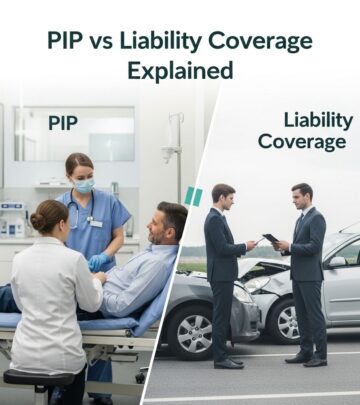
While MedPay offers limited medical-only aid, PIP’s broader scope justifies its role in no-fault states. Liability protects against lawsuits from others.
Navigating the PIP Claims Process Step-by-Step
Filing a PIP claim is straightforward but time-sensitive. Here’s how it unfolds:
- Report Promptly: Notify your insurer within days (e.g., 14 in Florida) with accident details and injury proof.
- Seek Treatment: Visit a provider; emergency care often qualifies benefits faster.
- Submit Documentation: Provide medical bills, wage statements, and service receipts.
- Await Payment: Insurers must pay within 30 days of reasonable proof in many states.
- Exceed Limits? Pursue health insurance or lawsuits if thresholds met.
Delays in reporting or treatment can forfeit benefits, emphasizing immediate action.
Common Exclusions and Limitations to Watch For
PIP isn’t all-encompassing. Typical exclusions include:
- Vehicle damage or property losses.
- Injuries from intentional acts or crimes.
- Claims exceeding policy caps.
- Harm by uninsured family-owned vehicles.
- Non-accident related medical issues.
Understanding these prevents surprises during claims.
Financial Impact and Cost Considerations
PIP premiums vary by state, driving history, and limits, adding $100-$500 annually in mandatory states. Shop quotes to balance cost and protection, as bundling with other coverages saves money.
For high-mileage drivers or those in dense traffic, enhanced PIP proves cost-effective against potential out-of-pocket expenses.
Frequently Asked Questions About PIP Insurance
Is PIP the same as health insurance?
No, PIP supplements health plans by covering accident-specific costs like deductibles and non-medical losses without subrogation delays.
Do all states require PIP?
No, only about 12 do; others make it optional or unavailable.
Can PIP cover pedestrians?
Yes, if you’re the policyholder or relative, even outside your vehicle.
What if medical bills exceed PIP limits?
Threshold exceptions allow lawsuits in no-fault states for serious injuries.
Does PIP cover rental cars?
Often yes, if your policy extends; confirm with your insurer.
References
- What is PIP insurance/no fault insurance? — Allstate. 2023. https://www.allstate.com/resources/car-insurance/personal-injury-protection-coverage
- What Is Personal Injury Protection (PIP)? — Progressive. 2024. https://www.progressive.com/answers/personal-injury-protection/
- Personal Injury Protection (PIP) Coverage — Liberty Mutual. 2024. https://www.libertymutual.com/vehicle/auto-insurance/coverage/personal-injury-protection
- Definition of PIP Insurance & Overview of Florida Motorist Law — Lorenzo & Lorenzo. 2023. https://www.lorenzoandlorenzo.com/personal-injury-guide/pip-insurance-florida/
- What is Personal Injury Protection in Florida? — Shiner Law Group. 2024. https://shinerlawgroup.com/what-is-personal-injury-protection-in-florida/
- What is Personal Injury Protection (PIP)? — Complete Care. 2024. https://www.complete-care.com/blog/what-is-personal-injury-protection-florida-pip/
Similar Articles








Read full bio of medha deb