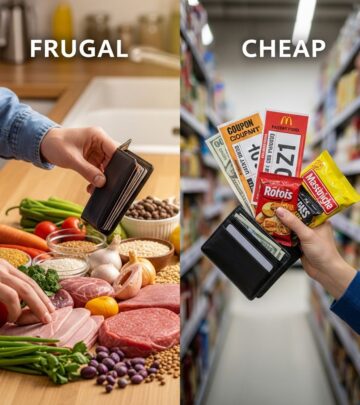
10 Signs You’ve Crossed From Frugal To Cheap
Discover the fine line between smart frugality and excessive cheapness that harms your life and relationships.

Frugality is a powerful tool for financial health, allowing you to save money while enjoying life’s essentials. However, there’s a thin line between being frugal and being cheap. Frugal people prioritize value, quality, and long-term benefits, spending wisely on what matters most. Cheap individuals, on the other hand, fixate on minimizing every expense, often at the cost of comfort, relationships, time, and even money in the long run. Understanding this distinction can help you build wealth without diminishing your quality of life.
This article outlines
10 key signs
that you’ve crossed from frugality into cheapness, drawing on insights from financial experts. Recognizing these behaviors empowers you to adjust and reclaim the joys of intentional spending.What Does Frugal Mean vs. Cheap?
Before diving into the signs, clarify the core difference.
Frugality
involves saving money to prioritize what truly enriches life, such as family experiences or durable goods. Frugal savers buy quality items that last, seek the best value, and happily invest in priorities like travel or education.In contrast,
cheapness
is about spending the absolute minimum, ignoring value, happiness, or others’ needs. Cheap habits save pennies upfront but waste time, energy, and money later through replacements, discomfort, or strained relationships. For example, a frugal person might skip a new luxury car for a reliable used one bought with cash, while a cheap person drives a junker that breaks down constantly, leading to repair bills and frustration.Sign #1: You Always Buy the Cheapest Option, Regardless of Quality
The hallmark of cheapness is grabbing the lowest-priced item without considering durability or performance. Cheap heels that fall apart after one wear or electronics that fail quickly exemplify this. Frugal shoppers research for value—paying more upfront for items that last longer, like sturdy tools or clothing.
This mindset leads to higher lifetime costs. A study mindset from financial advisors notes that cheap purchases often require frequent replacements, eroding savings. Ask yourself: Does this item serve me well over time, or am I just avoiding the spend today?
Sign #2: You Hoard Items ‘Just in Case’ and Create Clutter
Frugal people buy what they need when they need it. Cheap folks stockpile bargains, leading to piles of unused goods. Rummaging through clutter wastes hours weekly, turning savings into a time sink.
Excess inventory ties up cash and space. A truly frugal home is streamlined—essentials only, freeing mental energy for priorities like hobbies or family.
Sign #3: Maintenance and Repairs Are Postponed Indefinitely
Skipping routine upkeep on your car, home, or appliances screams cheap. Small fixes prevent big breakdowns, but cheapness gambles on ‘it’ll hold.’ This risks safety and escalates costs—a leaky roof becomes a full replacement.
Frugal maintenance is proactive: regular oil changes extend car life, saving thousands. Track expenses: postponed repairs often exceed prevention costs.
Sign #4: You Negotiate Every Tiny Transaction Aggressively
Haggling for value is frugal; nickel-and-diming service workers or friends is cheap. Refusing a fair tip or demanding discounts on small items damages relationships and reputation.
Life’s transactions involve people. Frugal generosity builds goodwill; cheap stinginess isolates you. Reflect: Does this save reflect my values?
Sign #5: Experiences Are Skipped Because ‘They’re Too Expensive’
Cheap people forgo concerts, dinners out, or trips outright, claiming unaffordability. Frugal ones budget for meaningful experiences, perhaps opting for affordable alternatives like home-cooked feasts or local hikes.
Research shows experiences boost happiness more than things. Denying them starves joy, undermining frugality’s goal of a rich life.
Sign #6: You Reuse or Repurpose Everything, Even When Unsafe
Creative reuse is frugal genius. But using cracked tires, moldy food, or frayed wires crosses into risky cheapness, endangering health and safety.
Prioritize well-being. Frugal means safe, efficient hacks—not hazards.
Sign #7: Gifts Are Minimal or Regifted Thoughtlessly
Frugal gifts are thoughtful and personal, within budget. Cheap ones are obligatory, low-effort, or regifted junk, signaling disregard.
Relationships thrive on reciprocity. Invest in gestures that strengthen bonds without extravagance.
Sign #8: Your Home Feels Uncomfortable or Spartan
If guests leave cold, hungry, or soap-less, you’re cheap—not frugal. Frugal homes are cozy sanctuaries; cheap ones are bare-bones bunkers.
Comfort fosters recharge. Splurge on basics like good bedding or lighting for daily well-being.
Sign #9: Time Is Sacrificed for Pennies Saved
Driving across town for 5-cent gas savings or clipping coupons for hours? Cheapness trades precious time for trivial gains. Frugality values time as money—batch tasks efficiently.
Calculate true cost: Your hourly worth times wasted time often dwarfs the savings.
Sign #10: Others Comment on Your Habits Negatively
If spouse, friends, or kids label you ‘cheapskate,’ listen. Frugality earns respect; cheapness breeds resentment.
Open dialogue reveals blind spots. Adjust to align habits with loved ones’ needs.
How to Shift Back from Cheap to Frugal
- Evaluate Value: For every purchase, ask: Does this deliver lasting joy or utility?
- Prioritize Essentials: Minimize urgent costs like housing/food without sacrificing nutrition or comfort.
- Review Spending: Audit statements for true value—cut low-ROI splurges.
- Invest in Quality: Buy once, buy well for big-ticket items.
- Balance with Joy: Allocate for experiences and relationships.
| Frugal | Cheap |
|---|---|
| Buys reliable used car with cash | Drives unsafe beater, delays repairs |
| Plans nutritious home meals | Eats bare-minimum, skips hospitality |
| Budgets for family trips | Avoids travel entirely |
Frequently Asked Questions (FAQs)
Q: Can frugality turn into cheapness in relationships?
A: Yes, when saving overshadows generosity, like skimping on shared experiences or gifts, straining bonds.
Q: How do I know if I’m being frugal with big purchases?
A: Research value, buy quality that lasts, and pay cash if possible—avoid cheapest options blindly.
Q: Is negotiating always cheap?
A: No, smart haggling for value is frugal; aggressive bargaining on trivialities is cheap.
Q: What’s one quick fix for cheap habits?
A: Audit recent spending for value—eliminate low-joy costs and reinvest in priorities.
Q: Does being frugal mean never splurging?
A: Absolutely not—frugal splurges align with personal values, like quality coffee or hobbies.
Embracing frugality elevates your finances and life. Spot these signs early, course-correct, and thrive.
References
- The Difference Between Being Cheap And Being Frugal — Wes Moss. 2023-05-15. https://www.wesmoss.com/news/the-difference-between-being-cheap-and-being-frugal/
- 3 ways to be frugal without being cheap — Fidelity Investments. 2024-02-20. https://www.fidelity.ca/en/insights/articles/frugal-without-being-cheap/
- Frugal Vs. Cheap: What’s the Difference? — HerMoney. 2023-11-10. https://hermoney.com/save/budgeting/difference-between-frugal-and-cheap/
- Is Your Spouse Frugal or Just Really Cheap? 5 Ways to Find Out — MoneyRates. 2024-08-05. https://www.moneyrates.com/personal-finance/spouse-frugal-cheap.htm
- 10 Signs You’ve Gone From Frugal to Cheap — Money Talks News. 2023-07-12. https://www.moneytalksnews.com/10-signs-youve-gone-from-frugal-cheap/
- How being frugal can cost you money: 5 tips for spending wisely — Discover. 2024-03-18. https://www.discover.com/online-banking/banking-topics/how-frugality-can-cost-you-money/
Similar Articles








Read full bio of Sneha Tete