Performance Management: Definition, Benefits & Best Practices
Master performance management strategies to align employee goals with organizational objectives and drive business success.

Performance management has evolved significantly from the traditional annual review model to become a strategic, continuous process that shapes how organizations and employees work together. In today’s dynamic business environment, companies recognize that aligning individual contributions with organizational objectives requires ongoing dialogue, clear expectations, and regular feedback rather than once-yearly assessments. This comprehensive guide explores what performance management is, why it matters, and how organizations can implement effective systems to drive both employee development and business success.
What is Performance Management?
Performance management is a strategic process that observes and assesses employee work while aligning individual abilities and contributions with company goals. More specifically, it represents a dynamic system that replaces outdated annual reviews with continuous collaboration, measurable objectives, and regular coaching to drive individual and business success.
At its core, performance management creates a structured framework where managers and employees work together to establish clear expectations, monitor progress, and provide ongoing feedback. Rather than being a one-time event, it functions as an iterative cycle that encompasses goal-setting, regular check-ins, performance assessment, development planning, and recognition. This approach fosters mutual understanding between employees and employers, emphasizing how individual work aligns with a company’s broader vision and strategic objectives.
The modern performance management system typically replaces the antiquated model of annual check-ins with more frequent touchpoints. Many forward-thinking organizations now conduct performance conversations on a monthly or quarterly basis, creating opportunities for real-time feedback and course correction. This shift has been facilitated by advances in technology, including 360-degree feedback platforms and continuous performance tracking systems that enable managers to provide timely, relevant feedback.
Key Components of Performance Management
Effective performance management systems typically incorporate several fundamental elements that work together to create a comprehensive approach to employee development and organizational alignment:
Alignment of Employee Activities with Company Goals
The first essential component involves ensuring that employees understand how their individual work contributes to broader organizational objectives. When employees recognize the connection between their daily responsibilities and company strategy, they develop a stronger sense of purpose and direction. This alignment requires clear communication from leadership about company priorities and collaborative discussions between supervisors and employees to define individual responsibilities and ensure accountability. Employees should be able to articulate how their role supports the organization’s mission and contributes to specific business outcomes.
Development of Position-Specific Performance Outcomes
Each role within an organization presents unique opportunities and challenges, requiring customized performance outcomes rather than one-size-fits-all metrics. Performance management helps employees understand the essential aspects of their position by addressing key questions such as: What service or product does my role lead to? What processes do I need to master for success? What impact should I have on the company? By developing outcomes specific to each position, organizations ensure that performance expectations are relevant, meaningful, and directly tied to role requirements and organizational needs.
Quantifiable Performance Expectations
Success must be measurable and clearly defined for both managers and employees to understand progress and achievement. Performance management typically incorporates three dimensions when establishing expectations: results (the tangible service or product someone creates), actions (the processes an employee employs to complete work), and behaviors (the attitude and values displayed in performing the role). Key performance indicators (KPIs) and other metrics should be appropriate for each employee’s position, providing objective standards by which performance can be evaluated and progress monitored.
Structured Job Development Planning
Modern performance management recognizes that employees should have a voice in their professional development and career progression. Rather than managers unilaterally deciding what employees should learn, contemporary systems encourage employees to identify their learning goals and discuss how acquired knowledge and skills can benefit both their career and the organization. This collaborative approach to development planning increases employee engagement, motivation, and commitment to continuous improvement.
Regular Communication and Feedback
Perhaps the most transformative element of modern performance management is the shift from annual reviews to frequent communication. Whether conducted monthly or quarterly, regular check-ins between managers and employees create opportunities to celebrate successes, address challenges, and adjust goals as circumstances change. This consistent dialogue prevents performance issues from festering until an annual review and allows for real-time recognition and coaching.
Performance Management vs. Traditional Performance Appraisals
The evolution from traditional performance appraisals to comprehensive performance management systems represents a fundamental shift in how organizations approach employee evaluation and development. Traditional appraisals typically occurred once annually and focused primarily on assessment and rating employees on predefined scales. While these systems served as important documentation for employment decisions, they often disconnected from day-to-day work and provided limited opportunity for growth-oriented dialogue.
In contrast, modern performance management treats evaluation as one component of a broader, continuous process. Rather than a formal event that culminates in a rating and pay decision, contemporary systems emphasize ongoing feedback, coaching, and development. This approach recognizes that employees benefit from regular communication about their performance and that organizations can respond more quickly to performance issues or opportunities when feedback is continuous rather than annual.
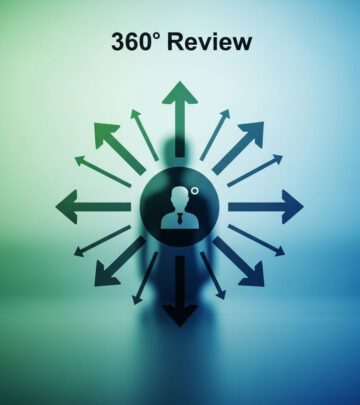
The shift has been supported by technological advances, including 360-degree feedback platforms that gather input from multiple perspectives and continuous performance tracking systems that capture real-time data about employee contributions and achievements. These tools enable organizations to move beyond subjective annual ratings to more objective, multifaceted assessments grounded in concrete evidence of performance.
Performance Management Tools and Technology
While performance management software can automate many administrative functions and data-gathering processes, most organizations customize their performance management approach to align with their unique needs, culture, and strategic objectives. Common tools and systems used in performance management include:
- Goal-setting and objective-tracking platforms: These tools help employees and managers establish SMART goals (Specific, Measurable, Achievable, Relevant, Time-bound) and monitor progress throughout the performance period.
- 360-degree feedback systems: These platforms collect feedback from supervisors, peers, direct reports, and sometimes customers, providing a comprehensive view of an employee’s performance and interpersonal effectiveness.
- Real-time feedback applications: Mobile-friendly apps enable managers to provide immediate recognition and coaching, creating a continuous feedback loop rather than waiting for formal review cycles.
- Performance analytics dashboards: These systems aggregate performance data and provide visual representations of key metrics, trends, and insights that inform strategic decisions about talent management.
- Development planning tools: These resources help employees identify learning goals, access training resources, and track progress on skill development initiatives.
The Performance Budget and Resource Allocation
Typically, performance management programs rely on a designated performance budget that measures program outcomes and uses those results to inform future budget allocations, such as supplemental training and development initiatives. This approach ensures that resources invested in performance management directly support organizational goals and employee development. By tracking the outcomes and impact of performance management initiatives, organizations can make data-driven decisions about where to invest in training, technology, and program enhancements to maximize return on investment.
Striving for Absolute Performance Standards
In an ideal scenario, employees and employers work together to achieve an absolute performance standard—the highest possible level of quality and effectiveness in work output. While this level of perfection may be unattainable in practice, it serves as a useful benchmark for striving toward optimal performance and excellence. The concept of absolute performance standards encourages organizations and individuals to continually push boundaries, innovate, and improve rather than settling for adequate performance.
Benefits of Effective Performance Management
Organizations that implement robust performance management systems experience numerous benefits that extend beyond individual employee development:
- Enhanced goal attainment: When employees understand organizational objectives and have clear performance expectations aligned with those goals, they are more focused and motivated to achieve business targets.
- Increased employee fulfillment: Regular feedback, development opportunities, and recognition of contributions create a more engaging work environment where employees feel valued and invested in their growth.
- Improved organizational commitment: Employees who experience supportive management and see a clear connection between their work and organizational success demonstrate higher levels of commitment and retention.
- Better decision-making on compensation and advancement: Performance management systems provide objective data to inform decisions about salary adjustments, promotions, and other career opportunities.
- Identification of development needs: Systematic performance assessment reveals skill gaps and development needs, enabling organizations to invest strategically in training and talent development.
- Documentation for legal compliance: Well-documented performance management processes provide important records for employment decisions and help organizations manage legal risks.
Performance Management Across Industries
Performance management is versatile and adaptable across diverse industries and organizational types. Whether in healthcare, technology, finance, manufacturing, or nonprofit sectors, organizations can tailor performance management systems to align with their unique goals, culture, metrics, and business models. A technology company might emphasize innovation and speed-to-market, while a healthcare organization might prioritize patient outcomes and safety. By customizing performance management to industry-specific requirements, organizations ensure that their systems drive performance on the metrics that matter most to their business.
Performance Management and Management by Objectives
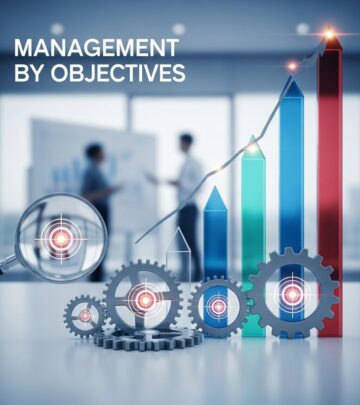
A related management philosophy that intersects with performance management is Management by Objectives (MBO), a corporate leadership theory where employee goals are congruent with organizational objectives. Performance management and MBO overlap significantly in that both expect employees to have a say in goal-setting and contribute to defining their own performance objectives. The collaborative approach inherent in both systems empowers employees and increases the likelihood that goals are meaningful, achievable, and aligned with organizational strategy.
Frequently Asked Questions
Q: How often should performance management conversations occur?
A: While practices vary by organization, many forward-thinking companies conduct performance conversations monthly or quarterly rather than relying solely on annual reviews. More frequent touchpoints enable real-time feedback, quicker response to performance issues, and ongoing coaching and development.
Q: What is the difference between performance management and performance appraisal?
A: Performance appraisals are formal, typically annual events focused on assessing and rating employee performance. Performance management, by contrast, is a continuous, strategic process that encompasses goal-setting, ongoing feedback, development, and coaching throughout the year.
Q: How can organizations ensure performance expectations are fair and unbiased?
A: Organizations should establish clear, quantifiable performance metrics aligned with job requirements; use multiple data sources through 360-degree feedback; provide training to managers on unconscious bias; document performance conversations; and ensure consistent application of standards across similar roles and departments.
Q: What role does technology play in modern performance management?
A: Technology enables real-time feedback, streamlines data collection through 360-degree feedback platforms, provides analytics and dashboards for data-driven decision-making, and facilitates continuous performance tracking. However, technology should support rather than replace meaningful human dialogue between managers and employees.
Q: How can employees benefit from performance management systems?
A: Employees benefit through clarification of expectations, regular feedback and coaching, recognition of achievements, opportunities for development and growth, greater understanding of how their work contributes to organizational goals, and increased engagement and career progression opportunities.
Q: Can performance management systems work for all company sizes?
A: Yes, performance management principles are adaptable to organizations of all sizes. While larger organizations may employ more sophisticated software systems, smaller companies can implement effective performance management through regular conversations, clear goal-setting, and documented feedback, customized to their resources and culture.
Implementing Performance Management Successfully
For organizations looking to implement or improve their performance management systems, success requires commitment from leadership, clear communication of purpose and process, adequate training for managers, selection of appropriate tools and technology, and regular evaluation of system effectiveness. Leadership must model the behaviors expected of employees and demonstrate support for the performance management process. Managers need training in having productive performance conversations, providing constructive feedback, and coaching for development. Organizations should select systems and tools that align with their culture and strategic priorities rather than simply adopting the most popular or technologically advanced option. Finally, regular evaluation of performance management outcomes helps organizations identify what’s working and what needs adjustment.
Conclusion
Performance management represents a fundamental shift in how organizations approach employee development, evaluation, and alignment with business objectives. By moving away from annual reviews toward continuous collaboration, clear expectations, and regular feedback, organizations create an environment where employees understand how their work matters, receive the support and coaching they need to succeed, and feel invested in their professional growth and organizational success. When implemented effectively, performance management benefits both employees and organizations, driving goal attainment, employee fulfillment, improved commitment, and sustainable business success.
References
- Performance Management — The Decision Lab — The Decision Lab. Accessed 2025-11-29. https://thedecisionlab.com/reference-guide/management/performance-management
Similar Articles








Read full bio of Sneha Tete