Pent-Up Demand: Definition, Causes & Economic Impact
Understanding pent-up demand and its crucial role in economic recovery and consumer behavior.
Pent-Up Demand: Definition, Causes, and Economic Impact
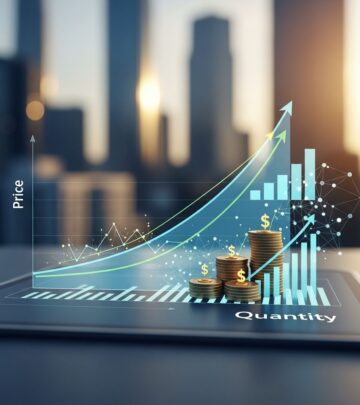
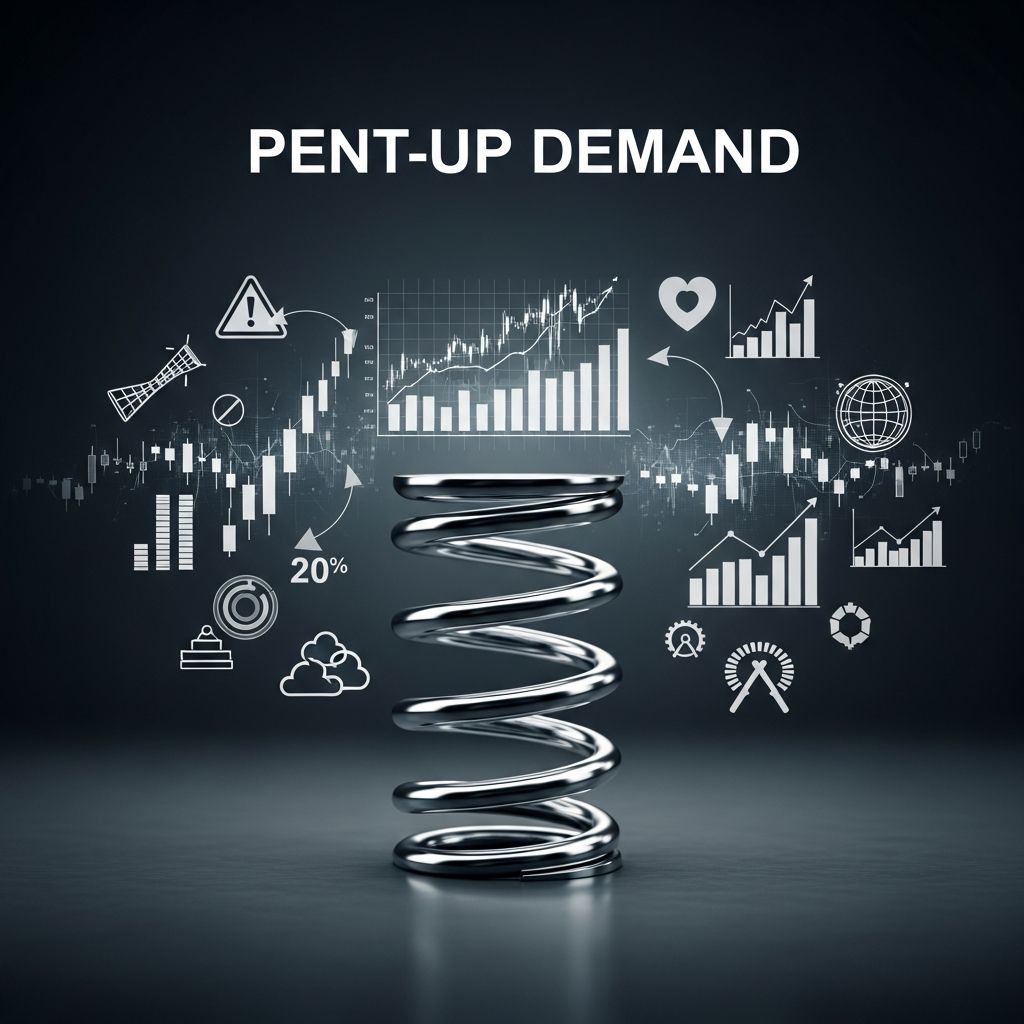
Pent-up demand is a fundamental economic concept that describes a significant surge in consumer desire for goods and services following a prolonged period of constrained purchasing activity. This phenomenon occurs when external factors such as economic recessions, pandemics, or supply chain disruptions force consumers to delay or postpone their purchases. When these restrictive conditions ease, consumers rush into the market to fulfill their accumulated purchasing desires, creating a sudden and substantial increase in demand.
Understanding pent-up demand is essential for businesses, economists, policymakers, and investors alike. It provides critical insights into consumer behavior patterns, helps forecast future economic activity, and enables strategic planning for production and inventory management. The concept has proven particularly relevant in recent years, with economists and analysts observing clear signs of pent-up demand following major economic disruptions.
Understanding Pent-Up Demand
What Exactly is Pent-Up Demand?
Pent-up demand refers to the accumulation of unfulfilled consumer desires for products and services that have been suppressed due to circumstances beyond individual control. During periods of economic hardship, such as recessions or during global health crises, consumers consciously or unconsciously reduce their spending on non-essential items. This restraint creates a backlog of demand—a reservoir of purchasing power waiting to be released once economic conditions improve.
The concept is closely tied to consumer psychology and confidence. When people feel uncertain about their employment prospects, income stability, or overall economic outlook, they naturally become more cautious with their spending. They redirect their financial resources toward savings and essential purchases rather than luxuries. However, this behavior simultaneously builds up an intense desire to eventually purchase the items they have deferred, which explodes into sudden demand once confidence returns.
Key Characteristics of Pent-Up Demand
Several characteristics distinguish pent-up demand from normal consumer spending patterns:
- Sudden Surge: When economic conditions normalize, the increase in demand occurs rapidly rather than gradually, creating distinctive market spikes.
- Concentrated Timeline: The surge typically concentrates within a relatively short period following economic recovery, distinguishing it from organic growth.
- Luxury Focus: Pent-up demand predominantly affects discretionary and luxury goods—vacation packages, vehicles, electronics, and real estate—rather than essential commodities.
- Measurable Accumulation: The magnitude of pent-up demand can be estimated through consumer surveys, savings rates, and deferred purchase data.
- Predictable Catalyst: The surge typically coincides with identifiable economic recovery signals such as improved employment, rising consumer confidence, and easier credit conditions.
What Causes Pent-Up Demand?
Pent-up demand emerges from multiple interconnected causes, all rooted in consumer restraint during periods of economic uncertainty or constraint. Understanding these causes illuminates why the phenomenon occurs and how to anticipate its emergence.
Economic Recessions and Downturns
Economic recessions represent the classic trigger for pent-up demand. During downturns, unemployment rises, wages stagnate or decline, and consumer confidence plummets. Businesses lay off workers, income becomes uncertain, and credit becomes harder to access. Families instinctively shift into survival mode, prioritizing essential expenses like housing, food, and utilities while postponing luxury purchases. This collective pullback in spending creates significant pent-up demand that erupts once economic indicators improve and unemployment declines.
Supply Chain Disruptions
When supply chains break down—whether due to natural disasters, geopolitical events, or logistical failures—consumers cannot access desired products even if they have the financial means to purchase them. This forced restraint accumulates demand that releases explosively once supply normalizes. The COVID-19 pandemic provided a contemporary example, as supply chain snarls prevented consumers from purchasing vehicles, electronics, and household goods for extended periods.
Pandemic-Related Restrictions
Global health crises impose both economic and physical restrictions on consumer activity. Beyond the economic impact of lockdowns and business closures, many services and experiences become literally unavailable. People cannot dine at restaurants, attend events, travel internationally, or engage in various leisure activities. When restrictions lift and vaccines become available, the suppressed desire to participate in these activities creates explosive demand for travel, hospitality, entertainment, and dining services.
Credit Constraints and Interest Rates
High interest rates and restricted credit availability directly suppress consumer spending, particularly for big-ticket items like homes and vehicles that typically require financing. When central banks reduce interest rates and credit policies ease, consumers who have been unable to access financing suddenly become able to make major purchases, triggering pent-up demand surges.
Consumer Savings Accumulation
During restrictive periods, consumers increase savings rates out of necessity and caution. This accumulation of savings represents purchasing power waiting to be deployed. Government stimulus programs, enhanced unemployment benefits, or pandemic-era restrictions on spending opportunities can accelerate savings accumulation, further intensifying pent-up demand when circumstances allow spending to resume.
The Economic Impact of Pent-Up Demand
Positive Economic Effects
Pent-up demand can serve as a powerful engine for economic recovery and growth. When suppressed consumer spending suddenly releases, it creates several beneficial economic outcomes:
- Accelerated GDP Growth: The surge in consumer spending directly increases gross domestic product as businesses experience revenue spikes.
- Job Creation: Increased demand necessitates expanded production, leading companies to hire additional workers and increase hours for existing staff.
- Business Expansion: Confidence generated by increased demand encourages businesses to invest in capacity expansion, equipment, and new ventures.
- Improved Consumer Confidence: Successful spending and positive economic activity reinforce consumer optimism, perpetuating economic momentum.
- Tax Revenue Growth: Higher business revenues and employment generate increased tax collections, improving government finances.
Potential Challenges and Negative Effects
Despite its growth-stimulating properties, pent-up demand can create economic challenges if not properly managed:
- Inflation Pressures: When demand surges faster than supply can expand, prices rise sharply. Sellers facing hungry markets and limited inventory can raise prices significantly, creating inflationary episodes.
- Supply Shortages: The intensity of pent-up demand can overwhelm production capacity, causing widespread shortages of popular products and extended delivery delays.
- Quality Control Issues: Companies rushing to meet demand surges may compromise quality standards to accelerate production, damaging brand reputation and consumer satisfaction.
- Boom-Bust Cycles: The sharp demand spike followed by normalization can create volatile market cycles, with booms followed by subsequent slumps.
- Asset Bubbles: Concentrated pent-up demand in real estate or other asset classes can inflate prices to unsustainable levels, creating bubble risk.
Historical Examples of Pent-Up Demand
Post-2008 Financial Crisis Recovery
Following the 2008 financial crisis and Great Recession, clear evidence of pent-up demand emerged as the economy recovered. During the recession, consumers dramatically curtailed spending on homes, vehicles, and luxury goods. Foreclosure rates soared, and consumer confidence hit generational lows. As the economy stabilized and unemployment declined from 2009-2010 onward, consumers unleashed significant demand for housing, automobiles, and discretionary goods. This pent-up demand helped fuel the economic recovery, though it also contributed to temporary inflation in certain sectors.
Post-Pandemic Consumer Behavior
The COVID-19 pandemic created perhaps the most visible modern example of pent-up demand. During lockdown periods, restaurants, airlines, hotels, and entertainment venues closed, making many services completely unavailable. Simultaneously, government stimulus payments and enhanced unemployment benefits boosted consumer savings. When vaccines rolled out and restrictions lifted in 2021-2022, consumers unleashed massive demand for travel, dining, entertainment, and goods that had been unavailable or restricted. Airlines experienced unprecedented booking surges, hotel occupancy rates skyrocketed, and restaurants operated at capacity for extended periods. This same period saw retail spending surge and supply chain pressures mount, contributing to significant inflation in consumer prices and energy costs.
1918-1919 Post-Pandemic Example
The 1918-1919 influenza pandemic and World War I restrictions created an illuminating historical parallel. Following the government’s lifting of wartime and pandemic restrictions, massive crowds descended on sporting venues, theaters, and other entertainment establishments. In basketball, stadiums filled to capacity as fans rushed to attend games after prolonged restrictions. This historical example demonstrates that pent-up demand is not a modern phenomenon but rather a recurring pattern in human economic behavior whenever restrictive conditions ease.
Strategic Implications for Businesses and Policymakers
For Business Leaders
Recognizing and preparing for pent-up demand is critical for strategic planning. Successful businesses analyze accumulating demand signals, prepare production capacity in advance, and position inventory strategically. Companies that anticipate pent-up demand can gain competitive advantage through increased market share, improved pricing power, and enhanced profitability. Conversely, those caught unprepared face missed opportunities, stockouts, and reputational damage.
For Policymakers and Economists
Policymakers use pent-up demand indicators to forecast economic recovery trajectories and plan appropriate monetary and fiscal policy responses. Understanding the magnitude of accumulated demand helps central banks calibrate interest rate decisions and inflation-fighting measures. Recognizing potential inflation risks from excessive pent-up demand helps policymakers implement targeted measures to smooth economic recovery and prevent overheating.
Frequently Asked Questions
What is the difference between pent-up demand and normal demand?
Normal demand represents ongoing consumer purchasing for goods and services at typical rates. Pent-up demand, by contrast, represents an accumulated backlog of suppressed purchasing that erupts suddenly when constraints are removed. Pent-up demand is typically larger in magnitude, more concentrated in time, and often focused on discretionary rather than essential items.
How can businesses prepare for pent-up demand?
Businesses should monitor consumer sentiment indicators, savings rates, unemployment trends, and credit market conditions to anticipate pent-up demand. When signals suggest an upcoming surge, companies should secure additional production capacity, expand inventory levels, and prepare supply chains to handle increased volumes. Pricing strategies should account for potential demand surges while avoiding excessive price increases that damage brand reputation.
Is pent-up demand always positive for the economy?
While pent-up demand can stimulate economic growth and job creation, it can also generate inflation, supply chain stress, and asset price bubbles if not properly managed. The economic outcome depends on how quickly supply can expand to meet demand surges and how well policymakers manage inflationary pressures through appropriate monetary policy.
Can pent-up demand be measured or predicted?
Economists measure pent-up demand through consumer surveys, savings rate analysis, credit market conditions, and consumer confidence indices. While prediction is not perfectly accurate, monitoring these indicators provides reasonable forecasting capability. Surveys asking consumers about deferred purchases and intended future spending provide direct pent-up demand measurements.
How long does pent-up demand typically last?
Pent-up demand surge periods typically last from several months to 2-3 years, depending on the magnitude of accumulated demand and the rate at which supply can expand. The post-2008 recovery pent-up demand extended over multiple years, while pandemic-driven surges showed more concentrated effects within 12-18 months of restrictions lifting.
References
- Pent Up Demand – Under30CEO — Under30CEO. Accessed 2025. https://www.under30ceo.com/terms/pent-up-demand/
- Pent Up Demand – Meaning, Explained, Causes, Examples — Wall Street Mojo. Accessed 2025. https://www.wallstreetmojo.com/pent-up-demand/
- Pent-up Consumer Demand — Fiveable. Accessed 2025. https://fiveable.me/key-terms/united-states-history-since-1945/pent-up-consumer-demand
- Understanding Pent-Up Demand in the Real Estate Market — Mortgage Architects. Accessed 2025. https://mortgagearchitects.us/pent-up-demand/
- Cambridge Dictionary – Pent-Up Demand — Cambridge University Press. Accessed 2025. https://dictionary.cambridge.org/us/example/english/pent-up-demand
Similar Articles








Read full bio of Sneha Tete