Pending Transactions: 5 Smart Strategies To Manage Holds
Discover what pending transactions mean for your credit card, how they impact your balance, and tips to manage them effectively for smarter spending.
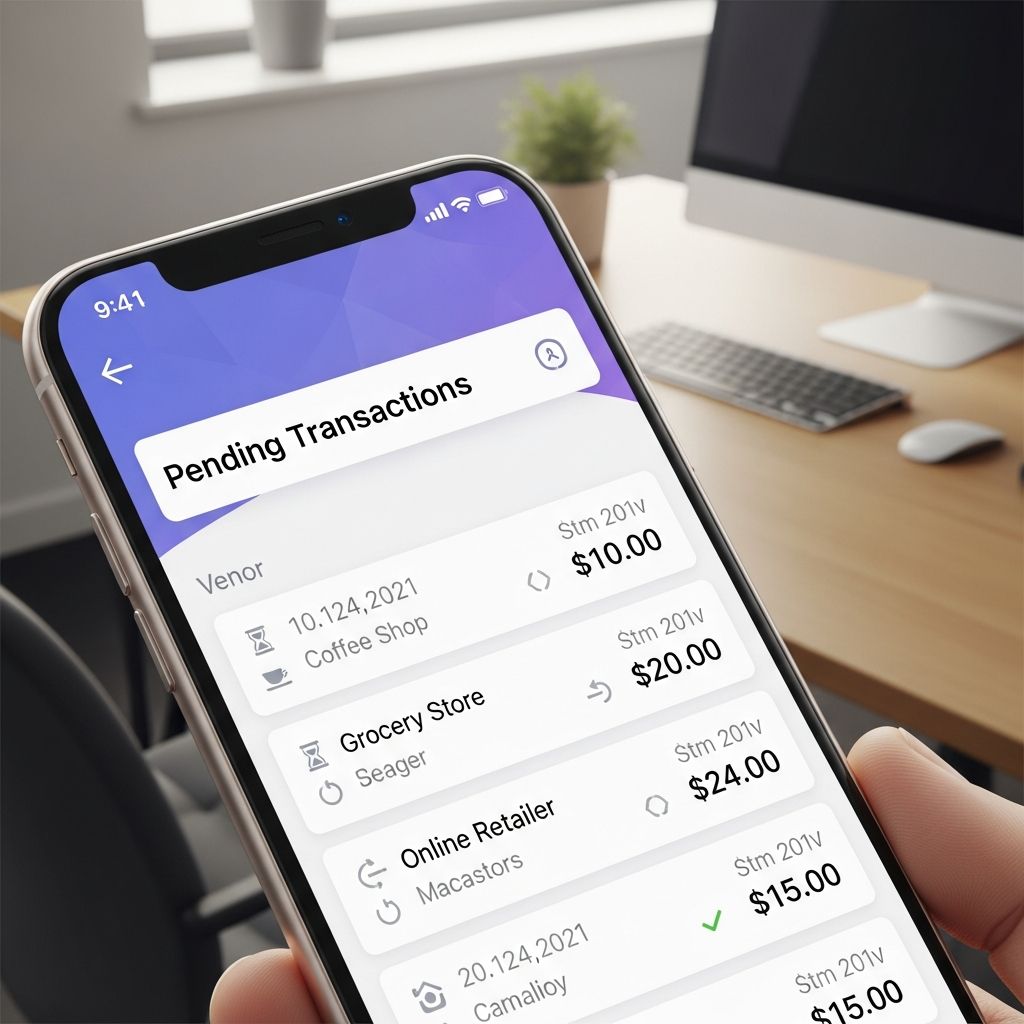
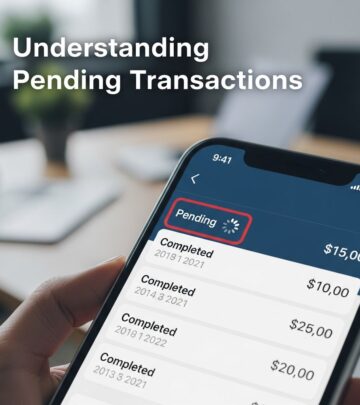
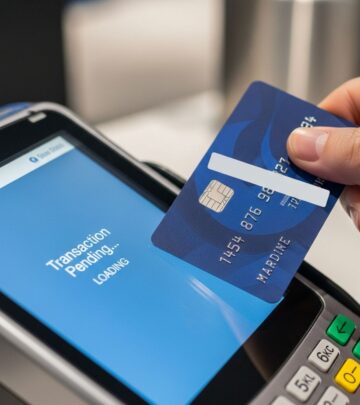
Pending transactions represent a temporary hold on your credit card funds after authorization but before final posting, directly affecting your available balance while the merchant finalizes processing.
The Fundamentals of Transaction Authorization
When you swipe, tap, or enter your credit card details for a purchase, the process begins with an authorization request from the merchant to your card issuer. This step verifies that your account has sufficient available credit to cover the amount, placing an immediate hold on those funds. Unlike a final charge, this hold signals that the transaction is in limbo—approved but not settled.
This mechanism protects both parties: merchants confirm payment capability upfront, while cardholders avoid overdrafts. The hold reduces your available credit instantly, even if the charge hasn’t appeared as a permanent line item on your statement.
Distinguishing Pending from Posted Charges
Understanding the difference helps in daily budgeting. Here’s a comparison:
| Feature | Pending Charge | Posted Charge |
|---|---|---|
| Status | Temporary hold | Finalized deduction |
| Balance Impact | Reduces available credit immediately | Appears on statement |
| Visibility | Marked ‘pending’ in app/activity | Listed as completed |
| Modifiability | Can adjust or cancel pre-settlement | Requires dispute/refund |
| Duration | 1-5 business days typically | Permanent until reversed |
This table highlights why pending items demand close monitoring—they influence spending power without committing funds permanently.
Step-by-Step: From Authorization to Settlement
The journey starts instantly upon purchase. Your card network (Visa, Mastercard) communicates the request to your issuer, who approves and reserves the funds. Settlement follows when the merchant batches and submits the final amount, often daily or less frequently.
- Authorization: Instant hold on available balance.
- Merchant Processing: Finalizes tip, tax, or adjustments.
- Issuer Posting: Charge appears officially, typically within days.
Credit cards process faster than debit since they extend credit rather than deduct from checking balances.
Typical Timelines for Clearing Holds
Most pending credit card transactions resolve in 1-3 business days, though up to 5 days is common depending on merchant habits and weekends. Direct deposits or ACH might clear next business day, while wires vary widely.
| Transaction Type | Average Clearance Time | Influencing Factors |
|---|---|---|
| Retail Purchases | 1-2 days | Merchant batching |
| Online Orders | 1-3 days | Shipping/confirmation |
| Gas/Restaurant | 1-3 days | Tip adjustments |
| Hotels/Rentals | 3-30 days | Pre-auth holds |
| International | Up to 2 weeks | Currency/fraud checks |
These timelines stem from standard banking practices, with credit cards generally quicker due to no immediate fund transfer needs.
Factors Prolonging Pending Status
Delays arise from merchant-side batching—some settle only weekly—or pre-authorizations at hotels (for incidentals) or gas pumps (higher hold for potential fill-up). Holidays pause processing, and fraud flags trigger reviews.
- Merchant delays in submitting batches.
- Variable final amounts (e.g., tips at dining).
- High-risk scenarios like rentals needing damage estimates.
- Bank holidays or weekends extending business days.
- Fraud detection holds for unusual patterns.
International dealings add compliance layers, stretching timelines.
When Holds Disappear Without Posting
Not all authorizations lead to charges. If merchants fail to settle within the window (often 3-7 days), the hold expires, restoring your balance. Cancellations, voids, or duplicates from errors also cause drop-offs.
For instance, gas stations release excess holds post-pump, or unshipped online orders get voided. Monitor your app; restoration is automatic but not always instant.
Effects on Your Financial Picture
Pending holds shrink available credit, potentially blocking new purchases despite a healthy limit. This matters for budgeting—track both current balance and available credit via apps.
Over-reliance on pending views can mislead; always verify posted totals for statements. Teams or businesses reconciling expenses must distinguish these to avoid double-counting.
Strategies for Managing Pending Charges
Proactive steps minimize surprises:
- Check mobile apps/banking portals daily for real-time updates.
- Contact merchants for settlement status on long-pending items.
- Avoid multiple cards at risky spots like pumps to prevent duplicate holds.
- Set alerts for low available balance.
- Plan buffers for known long holds (travel).
For businesses, integrate accounting tools that categorize pendings separately.
Resolving Problems with Pending Items
Can’t dispute pre-posting; wait for settlement. If erroneous, contact the merchant first—many void holds directly. Post-posting, use issuer dispute processes for unauthorized or faulty charges.
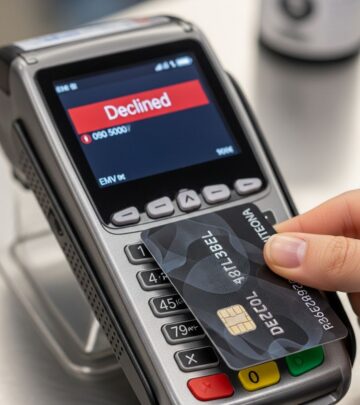
Declines during settlement occur from expired auths, insufficient final funds, or flags. Keep records of authorizations for support.
Frequently Asked Questions
How long can a pending transaction last?
Typically 1-5 business days, but pre-auths like hotels can hold up to 30 days.
Do pending charges deduct from my balance?
No, they only reduce available credit until posting.
Why is my charge pending longer than expected?
Merchant batching, weekends, adjustments, or reviews cause delays.
Can a pending transaction be canceled?
Yes, if the merchant voids before settlement; otherwise, await posting then request refund.
What if I see duplicate pendings?
Often one drops off; contact issuer if both post.
Best Practices for Transaction Awareness
Incorporate pendings into routines: Review weekly, understand industry norms (e.g., travel holds), and educate on differences between debit/credit behaviors. This fosters precise cash flow management.
For frequent travelers or high spenders, opt for cards with transparent pending views and quick resolutions. Ultimately, knowledge empowers confident card use without hidden pitfalls.
References
- Pending Transaction: What It Means & How It Works — Ramp. 2023. https://ramp.com/blog/pending-credit-card-charges
- Understanding Pending Transactions: Duration, Issues, and Solutions — Aspireapp. 2023. https://aspireapp.com/blog/understanding-pending-transactions
- Pending credit card transactions — Capital One. 2025-02-01. https://www.capitalone.com/help-center/credit-cards/card-pending-transactions/
- What Is A Pending Transaction — PNC Insights. 2024. https://www.pnc.com/insights/personal-finance/spend/what-is-a-pending-transaction.html
- How Long Can A Credit Card Charge Be Pending? — Bankrate. 2024-10-15. https://www.bankrate.com/credit-cards/advice/how-long-can-credit-card-charge-be-pending/
Similar Articles








Read full bio of Sneha Tete