Pending Returns and Credit Card Payments
Discover why you must pay your credit card bill despite a pending return and how to manage refunds effectively to protect your finances.
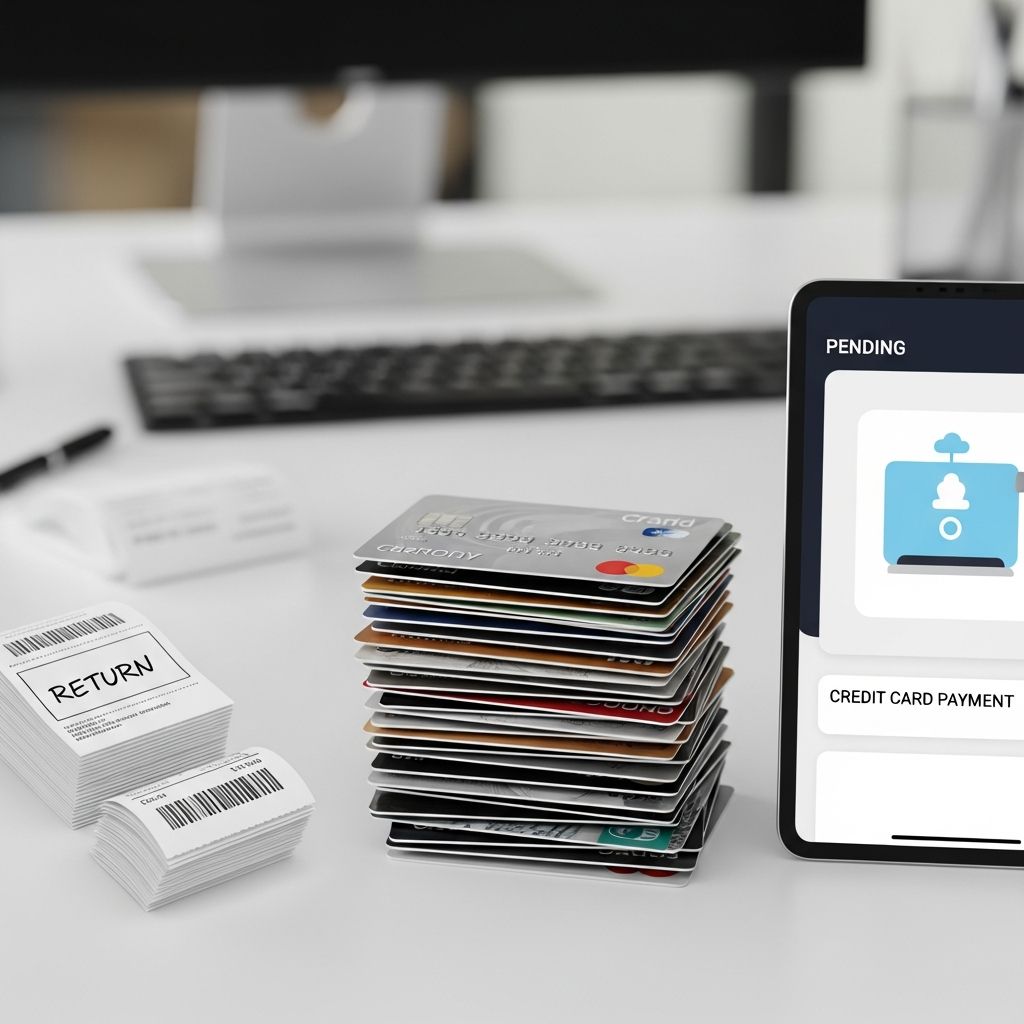
Handling credit card purchases that you later return can create confusion around payment responsibilities. Even with a refund on the way, your obligation to pay the bill remains immediate. This guide explores the mechanics of pending returns, why full payment is crucial, and practical steps to manage your finances without incurring extra costs.
Understanding How Refunds Work on Credit Cards
Credit card refunds, known as statement credits, reverse a purchase by crediting your account balance. Merchants process these after verifying the return, which varies by retailer and return method. In-store returns might trigger instant authorizations, but online or mail returns often delay processing by several days or weeks.
Once issued, the refund appears on your statement, reducing your balance. Timing matters: if processed before your billing cycle closes, it lowers the amount due. Post-cycle refunds apply to future balances or create overpayments, potentially leading to negative balances.
- Merchant processing time: Typically 3-10 business days for approval.
- Issuer posting time: Additional 1-5 days after merchant sends funds.
- Return method impact: In-person faster than shipping-based returns.
Why You Should Always Pay Your Full Statement Balance
Your credit card statement reflects charges up to the cycle’s end. Pending refunds don’t alter this snapshot, so minimum payments are calculated on the full amount shown. Failing to pay in full triggers interest on the entire balance and risks late fees if even the minimum is missed.
Grace periods—interest-free windows for paying off new purchases—end if you carry a balance. Partial payments forfeit this benefit, accruing interest retroactively on purchases. Always prioritize full payment to maintain grace periods and avoid compounding costs.
| Scenario | Payment Action | Outcome |
|---|---|---|
| Refund before statement date | Pay full statement | Balance auto-reduces; no interest |
| Refund after statement date | Pay full statement | Refund offsets future charges or overpays account |
| Partial payment only | Pay less than full | Interest + potential late fees; grace period lost |
Refund Timelines: What to Expect from Retailers
Expect variability in refund speeds. Policies differ: some retailers credit immediately upon receipt, others hold for inspection or restocking. Federal law under the Fair Credit Billing Act mandates refunds within specific windows for disputed charges, but voluntary returns follow merchant terms.
Cash refunds are rare for card purchases; most revert to the original payment method. Track returns via confirmation emails or apps, and contact merchants if delays exceed stated policies.
- Electronics/appliances: Often 7-14 days due to testing.
- Clothing: Quicker, 3-7 days.
- Holidays/peak seasons: Extended processing times.
Minimum Payments: A Last Resort Option
If full payment isn’t feasible while awaiting a refund, make at least the minimum to dodge late fees (around $30-40) and credit score dings. Late payments report after 30 days, severely impacting FICO scores.
Minimums cover interest, fees, and a sliver of principal—prolonging debt. Use this temporarily, then catch up once refunded.
Dealing with Overpayments or Negative Balances
A post-payment refund can push your balance negative. Issuers typically hold credits or apply to new charges. Request transfers to bank accounts or checks via customer service—many comply without fees.
Monitor statements closely; overpayments earn no interest unless in high-yield savings alternatives.
Interest and Fee Reversal Possibilities
Paid interest or fees prematurely? Contact your issuer post-refund. While not obligated, goodwill gestures like waivers occur, especially with payment history. Document interactions and reference account details.
Distinguishing Refunds from Chargebacks
Refunds are merchant-initiated for valid returns. Chargebacks, filed with issuers, resolve billing errors or fraud—use sparingly as excessive disputes harm accounts. Refunds preserve merchant relations; chargebacks can lead to bans.
Strategies to Pay Off Credit Card Balances Effectively
Beyond pending returns, systemic debt management prevents recurrence. Employ proven methods tailored to your situation.
Debt Avalanche: Target High-Interest First
Pay minimums on all cards, extra on highest-APR balance. Saves most on interest. Ideal for math-focused individuals.
Debt Snowball: Build Momentum with Small Wins
Minimums everywhere, aggressive on smallest balance. Psychological boost from quick payoffs fuels continuation.
| Method | Focus | Best For | Potential Savings |
|---|---|---|---|
| Avalanche | Highest interest | Cost minimizers | Highest interest reduction |
| Snowball | Smallest balance | Motivation seekers | Quicker visible progress |
Balance Transfers to Low-APR Cards
Move debt to 0% intro APR cards (12-21 months). Fees (3-5%) offset by interest savings. Payoff before promo ends critical.
- Check eligibility: Good credit needed.
- Plan payments: Divide balance by promo months.
- Avoid new charges on transferred card.
Negotiate Lower Rates
Call issuers citing competitors’ rates or loyalty. Success rates high for on-time payers.
Lump-Sum Payments from Refunds or Windfalls
Direct refunds or tax returns to principal. Accelerates payoff dramatically.
Protecting Your Credit Score Amid Returns
Timely full payments preserve scores. Late marks linger 7 years. Low utilization (under 30%) post-refund boosts scores.
Multiple returns? Watch fraud flags—explain if queried.
FAQs: Common Questions on Returns and Payments
Can I wait for the refund before paying my bill?
No. Pay full to avoid interest and fees; refund credits later.
How long until a refund posts?
3-30 days typically, per merchant and method.
What if I overpay waiting for refund?
Request refund from issuer or apply to future balances.
Does returning items affect credit score?
Not directly, unless late payments occur.
Should I use cash for returns?
Rare for card purchases; stick to card credits.
Pro Tips for Smarter Credit Card Usage
- Track spending vs. billing cycles.
- Build emergency funds for gaps.
- Use apps for return tracking.
- Review statements monthly.
- Consider cards with extended warranties/returns.
Mastering these dynamics ensures refunds benefit rather than burden you. Consistent habits build lasting financial resilience.
References
- Should I Pay Off My Credit Card if There’s a Pending Return? — Experian. 2023. https://www.experian.com/blogs/ask-experian/should-i-pay-off-credit-card-if-theres-pending-return/
- 5 Strategies for Paying Off Credit Card Debt — Baird Wealth. 2022-08. https://www.bairdwealth.com/insights/wealth-management-perspectives/2022/08/5-strategies-for-paying-off-credit-card-debt/
- Paying Off Credit Card Debt: 3 Strategies That Work — TaxAct Blog. 2023. https://blog.taxact.com/paying-off-credit-card-debt-3-strategies-that-actually-work/
- 5 Debt Repayment Strategies That Could Change Your Life — Navy Federal Credit Union. 2024. https://www.navyfederal.org/makingcents/credit-debt/debt-repayment-strategies.html
- Strategies to Pay Off Credit Card Debt — U.S. Bank. 2024. https://www.usbank.com/credit-cards/credit-card-insider/managing-credit/strategies-to-pay-off-credit-card-debt.html
Similar Articles








Read full bio of Sneha Tete