Peer-to-Peer Payments Explained
Discover how P2P payments simplify money transfers between individuals with speed, security, and convenience in the digital age.

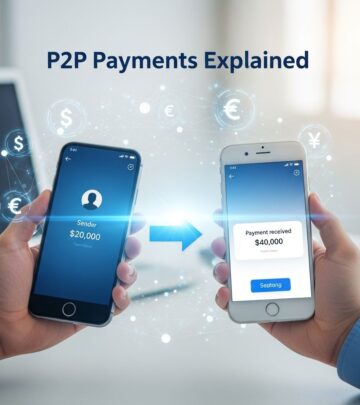
Peer-to-peer (P2P) payments represent a transformative shift in how individuals exchange money digitally, enabling instant transfers without traditional intermediaries like banks or checks. These systems leverage mobile apps and online platforms to facilitate direct transactions between users, making them ideal for splitting bills, reimbursing friends, or sending gifts.
The Rise of Digital Money Transfers
In today’s fast-paced world, the demand for quick and efficient payment methods has surged. P2P payments emerged as a response to the limitations of cash, checks, and even early electronic funds transfers, which often involved delays and paperwork. By linking bank accounts or cards to apps, users can send funds in seconds using just an email, phone number, or username.
Historically, money movement relied on physical methods or slow bank processes. Modern P2P systems integrate with real-time payment (RTP) rails, allowing balances to update almost instantly with finality, meaning transactions are irrevocable once completed. This has led to a boom, with dozens of RTP systems launching globally in recent years to support P2P interoperability.
How P2P Payment Systems Operate
At their core, P2P platforms act as intermediaries that handle the secure transfer of funds without requiring users to share sensitive banking details directly. Here’s a step-by-step breakdown:
- Account Setup: Users download an app or visit a website, create a profile, and link a funding source such as a bank account, debit card, or credit card.
- Recipient Identification: Enter the recipient’s details like email, phone, or QR code scan to locate them within the network.
- Transaction Initiation: Specify the amount, add a memo if desired, and confirm. The platform verifies funds and processes the transfer.
- Fund Movement: Money debits from the sender’s linked source and credits the recipient’s app balance instantly or near-instantly.
- Withdrawal Options: Recipients can hold funds in the app for future use, spend via integrated wallets, or transfer to their bank, often within days or for a fee.
This process bypasses traditional check clearing, where banks verify and settle over days, offering speed superior to older EFT methods.
Popular P2P Payment Platforms
Several apps dominate the P2P space, each with unique features tailored to different user needs. The table below compares key players based on functionality, fees, and availability:
| Platform | Key Features | Fees | Funding Sources | Speed |
|---|---|---|---|---|
| PayPal | Global reach, invoicing, shopping integration | Free for friends/family; 2.9%+ for goods | Bank, debit/credit card | Instant in-app |
| Venmo | Social feed, emojis, split bills | Free debit; 3% credit | Bank, debit/credit | Instant |
| Zelle | Bank-integrated, no app needed for some | Usually free | Bank account only | Minutes |
| Cash App | Bitcoin trading, stock investing | Free; 1.5% instant deposit | Bank, debit | Instant |
PayPal pioneered P2P in the early 2000s, evolving from e-commerce to everyday transfers. Newer entrants like Zelle emphasize bank interoperability via RTP networks.
Advantages of Using P2P Payments
P2P systems offer compelling benefits that have driven their adoption:
- Convenience: Send money anytime, anywhere via smartphone, eliminating trips to ATMs or post offices.
- Speed: Transactions complete in seconds, far faster than checks or wires.
- Cost Savings: Many personal transfers are free, reducing reliance on money orders or fees.
- Record Keeping: Digital receipts provide easy tracking for taxes or budgets.
- Inclusivity: Accessible to unbanked users through app balances, bridging gaps in traditional banking.
For trusted transactions like family reimbursements, P2P excels where immediacy matters and goods/services are already provided.
Potential Risks and Security Concerns
While convenient, P2P payments aren’t without drawbacks. Key risks include:
- Scams: Fraudsters pose as contacts to solicit funds; irreversible transfers amplify losses.
- Fees for Non-Personal Use: Business transactions often incur charges, and credit card funding adds interest.
- Limited Buyer Protection: Unlike cards, P2P lacks chargeback options for goods disputes.
- Privacy Issues: Social features may expose transaction details publicly.
To mitigate, platforms employ encryption, multi-factor authentication, biometrics, and tokenization—replacing card data with unique identifiers. Users should verify recipients, avoid unsolicited requests, and enable alerts.
P2P and the Evolution of Real-Time Payments
P2P growth spurred RTP infrastructure, enabling cross-system transfers. Systems like India’s UPI demonstrate seamless interoperability among banks via APIs for push payments. In the U.S., FedNow and similar networks promise 24/7 settlements, reducing float costs and enhancing P2P utility.
Originally for high-value settlements, RTPs now handle micro-transactions under a minute with irrevocability, perfect for P2P.
Best Practices for Safe P2P Transactions
Maximize security with these tips:
- Link only verified funding sources and use debit over credit to avoid debt.
- Confirm recipient identity via voice or in-person before sending.
- Set transaction limits and review app permissions regularly.
- Use memos for context, aiding disputes if needed.
- Withdraw large balances promptly to banks for FDIC protection.
For businesses, opt for invoice features or goods/services designations for dispute resolution.
The Future of P2P Payments
Looking ahead, P2P will integrate deeper with RTP, cryptocurrencies, and central bank digital currencies (CBDCs). Expect global standards for cross-border transfers, enhanced AI fraud detection, and embedded finance in social apps. Regulatory scrutiny will balance innovation with consumer protection, potentially standardizing fees and protections.
As adoption grows—billions of transactions annually—P2P could redefine everyday finance, making cash obsolete for peers.
Frequently Asked Questions (FAQs)
What is a P2P payment?
A direct digital money transfer between individuals via an app or platform, bypassing traditional banks for speed.
Are P2P payments free?
Personal transfers often are, but credit card use or instant deposits may incur fees.
Is P2P safer than cash?
Yes, with encryption and authentication, though user vigilance is key against scams.
Can I use P2P for business?
Yes, but select ‘goods/services’ for protections; fees apply.
How long do P2P transfers take?
Typically instant within apps; bank withdrawals take 1-3 days.
References
- Peer-to-Peer and Real-Time Payments: A Primer — International Center for Law and Economics. 2023. https://laweconcenter.org/resources/peer-to-peer-and-real-time-payments-a-primer/
- What Is Peer-To-Peer (P2P) Payment — PayPal. 2024. https://www.paypal.com/us/money-hub/article/what-are-p2p-payments
- Peer-to-Peer (P2P) Payment Services — Federal Reserve Bank of St. Louis. 2020-04-01. https://www.stlouisfed.org/publications/page-one-economics/2020/04/01/peer-to-peer-p2p-payment-services
- What is P2P Payment and How Does It Work — Chase Bank. 2024. https://www.chase.com/personal/banking/education/basics/p2p-payments
- What Are Peer-To-Peer (P2P) Payments? — Bankrate. 2024. https://www.bankrate.com/banking/checking/what-are-p2p-payments/
Similar Articles








Read full bio of Sneha Tete