Payroll Cards Explained
Discover how payroll cards provide a modern alternative to traditional paychecks, benefiting both workers and businesses with speed and efficiency.

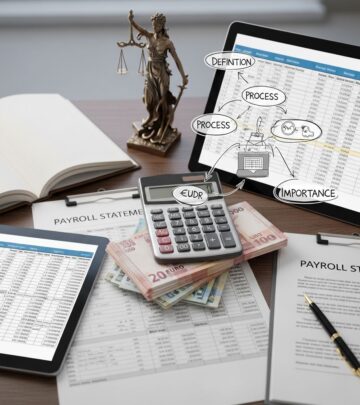
Payroll cards represent a practical shift in how businesses compensate their workforce, delivering wages directly onto reloadable prepaid debit cards. This method bypasses the need for traditional bank accounts or paper checks, granting employees immediate access to funds for spending, bill payments, or cash withdrawals.
Understanding the Basics of Payroll Cards
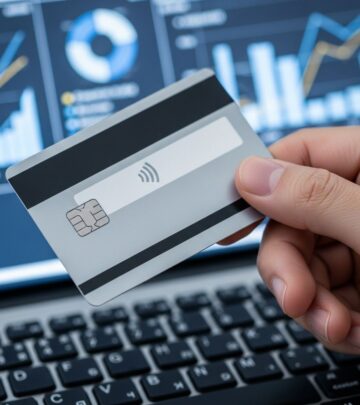
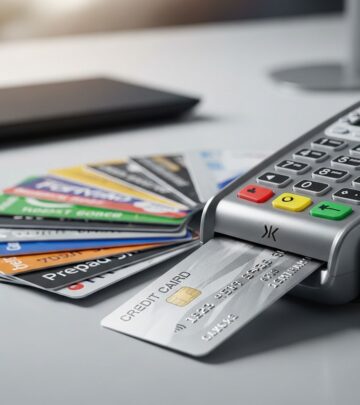
At their core, payroll cards function much like standard debit cards but are specifically designed for wage disbursement. Employers partner with financial institutions or payment processors to issue these cards, loading them electronically with net pay each cycle. Workers can then use them at point-of-sale terminals, online merchants, ATMs, or even for direct bill payments, depending on the card’s features.
Unlike gift cards with fixed balances, payroll cards are reloadable, meaning they receive fresh deposits biweekly, monthly, or per company schedule. This setup ensures ongoing usability throughout employment without needing multiple cards. No minimum balance or credit check is typically required, making them accessible to a broad range of individuals.
Why Businesses Are Adopting Payroll Cards
Companies turn to payroll cards to modernize payment systems and address diverse employee needs. For firms with remote, gig, or seasonal staff, managing physical checks becomes cumbersome and expensive. Electronic loading simplifies this, reducing administrative burdens and enabling faster processing.
Key drivers include support for the unbanked population—about 4.5% of U.S. households lack bank accounts, per FDIC data—and cost efficiencies. Employers avoid printing, mailing, or reissuing lost checks, which can cost $2–$4 per check according to industry estimates.
Key Advantages for Employers
- Cost Savings: Eliminate expenses tied to paper checks, such as printing ($1–$3 per check), postage, and replacements for lost items. Over time, these reductions accumulate significantly for large payrolls.
- Streamlined Operations: Automate fund transfers without tracking individual bank details, speeding up payroll closure and reducing errors.
- Universal Accessibility: Pay all employees uniformly, regardless of banking status, which is ideal for international or transient workers.
- Enhanced Security: PIN protection and fraud monitoring minimize risks compared to handling cash or checks.
Benefits That Employees Enjoy
For workers, payroll cards mean no more check-cashing fees, which can eat up 1–5% of earnings at storefronts. Funds load instantly on payday, allowing immediate use without deposit holds.
- Immediate Access: Spend or withdraw wages right away, perfect for covering urgent expenses.
- No Bank Needed: Ideal for the 14.2% underbanked U.S. households, providing financial inclusion without traditional account barriers.
- Convenience Features: Many cards offer bill pay, mobile apps for balance checks, and surcharge-free ATM networks.
- Budgeting Tools: Some include spending alerts, transaction history, and sub-accounts for savings.
Potential Drawbacks and Fees to Watch
While advantageous, payroll cards aren’t fee-free. Common charges include ATM withdrawals (often $1–$3 outside networks), balance inquiries, inactivity, or card replacements. Employers may cover some, but transparency varies.
| Fee Type | Typical Cost | Avoidance Tips |
|---|---|---|
| ATM Withdrawal (Out-of-Network) | $2–$3 | Use in-network ATMs |
| Balance Inquiry | $0.50–$1.50 | Check via app |
| Inactivity | $1–$5/month | Make periodic transactions |
| Card Replacement | $5–$10 | Guard card securely |
Employees should review fee schedules upfront and opt for low-cost providers. Regulations like the CARD Act limit certain fees, but not all.
Comparing Payroll Cards to Other Payment Options
| Method | Bank Account Required? | Access Speed | Employer Cost | Employee Fees |
|---|---|---|---|---|
| Paper Checks | No | Days (cashing time) | High ($2–$4/check) | High (1–5% cashing) |
| Direct Deposit | Yes | 1–2 days | Low | Minimal |
| Payroll Cards | No | Immediate | Medium-Low | Variable (low if managed) |
Payroll cards shine for non-banked employees but may not suit those preferring interest-earning accounts.
Legal Requirements and Employee Rights
U.S. laws mandate timely wage payment, and payroll cards qualify as electronic payment if compliant. The CFPB oversees prepaid accounts, requiring fee disclosures and access to funds. States may impose extras, like free ATM access.
Employers must offer alternatives—no mandating cards. Employees can request direct deposit or checks without penalty.
How Payroll Cards Impact Credit Building
Unlike credit cards, payroll cards don’t build credit history since they’re prepaid. However, some providers report positive activity to bureaus if linked to optional credit features. For credit-building, pair with secured cards.
Implementing Payroll Cards in Your Organization
Businesses should select FDIC-insured providers with robust security. Train staff on usage, fees, and support. Pilot programs help gauge acceptance before full rollout.
Real-World Applications Across Industries
Hospitality, construction, and retail—high-turnover sectors—benefit most. Gig platforms use them for contractors. Globally, similar systems aid migrant workers.
Frequently Asked Questions
Are payroll cards FDIC insured?
Funds on most U.S. payroll cards are FDIC-insured up to $250,000 if held by a partner bank, protecting against issuer failure.
Can I transfer money from a payroll card to my bank?
Yes, many allow ACH transfers to external accounts, though fees may apply. Check provider rules.
Do payroll cards expire?
Cards have validity periods (1–5 years), but funds roll over to new cards without loss.
Are they safe from fraud?
Yes, with EMV chips, PINs, and zero-liability policies for unauthorized use, similar to debit cards.
Can family members use my payroll card?
Typically no; they’re non-transferable for security. Some offer secondary cards with limits.
Future Trends in Payroll Technology
Integration with digital wallets, real-time payments, and AI-driven financial coaching are emerging. Blockchain pilots promise borderless, instant global payouts.
References
- What Is a Payroll Card? Definition, Benefits and FAQs — Indeed.com. 2023. https://www.indeed.com/career-advice/career-development/payroll-cards
- Discover the Benefits of Payroll Cards for Employers and Employees — Spentra. 2024. https://spentra.com/blog-posts/discover-the-benefits-of-payroll-cards-for-employers-and-employees
- What Is a Paycard & How Does It Work? — Paychex. 2024. https://www.paychex.com/articles/payroll-taxes/unbanked-employees-and-paycards
- Pros and Cons of Payroll Card Programs: Are Paycards Better? — ADP. 2018-10-01. https://www.adp.com/spark/articles/2018/10/paper-check-versus-paycard-weighing-the-pros-and-cons.aspx
- To Fee or Not to Fee—The Pros and Cons of Payroll Cards — Ogletree Deakins. 2023. https://ogletree.com/insights-resources/blog-posts/to-fee-or-not-to-fee-the-pros-and-cons-of-payroll-cards/
- What is a payroll card? — Consumer Financial Protection Bureau (CFPB). 2023. https://www.consumerfinance.gov/ask-cfpb/what-is-a-payroll-card-en-401/
- An Employee’s Guide to Payroll Cards — American Payroll Association. 2014. https://info.payroll.org/pdfs/paycards/2014-ee-guide-paycard.pdf
- Why Payroll Cards are a Win-Win for Employers and Employees — Sunflower Bank. 2024. https://www.sunflowerbank.com/about-us/resource-articles/why-payroll-cards-are-a-win-win-for-employers-and-employees
Similar Articles








Read full bio of Sneha Tete