Your Payment Track Record and Credit Score Impact
Discover how your payment habits shape your credit score and financial future.
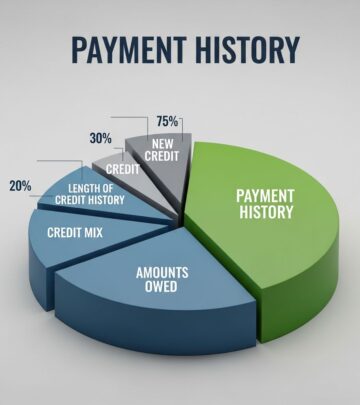
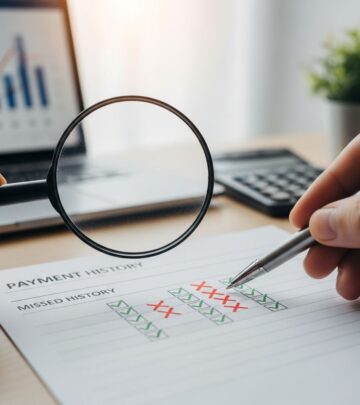
When lenders evaluate your creditworthiness, they want one primary answer: Will you repay what you borrow? Your payment track record answers this question with remarkable clarity. Payment history accounts for 35% of your FICO credit score, making it the single most influential component in credit calculations. This dominance reflects a fundamental truth in lending—your demonstrated behavior with past obligations is the strongest predictor of future financial reliability.
Understanding Your Payment Responsibility Record
Your payment responsibility record is essentially a financial transcript of your borrowing behavior over time. It documents whether you’ve paid each reported account on time and, if not, how overdue those payments were. Credit bureaus and lenders receive regular updates—typically monthly—from creditors about your account status. These reports accumulate to create a comprehensive picture of your reliability as a borrower.
Think of this record as a performance review from your financial obligations. Every monthly statement, every due date, and every transaction contributes to this profile. Lenders scrutinize this history because decades of financial research demonstrates that people who pay past obligations reliably tend to continue that pattern with future debts.
What Information Comprises Your Payment Record
Your credit reports capture both positive achievements and negative events related to your accounts. Understanding these components helps explain why lenders place such emphasis on this factor.
Core Elements of Payment Records:
- Payment information across credit cards, installment loans, mortgages, and retail accounts
- Current delinquency status and historical delinquencies on any accounts
- Outstanding balances on accounts sent to collections
- The frequency of past-due entries across your credit profile
- Public records such as bankruptcies and foreclosures
- Length of time elapsed since delinquencies, collections, or adverse public records appeared
- The quantity of accounts maintained in good standing with on-time payments
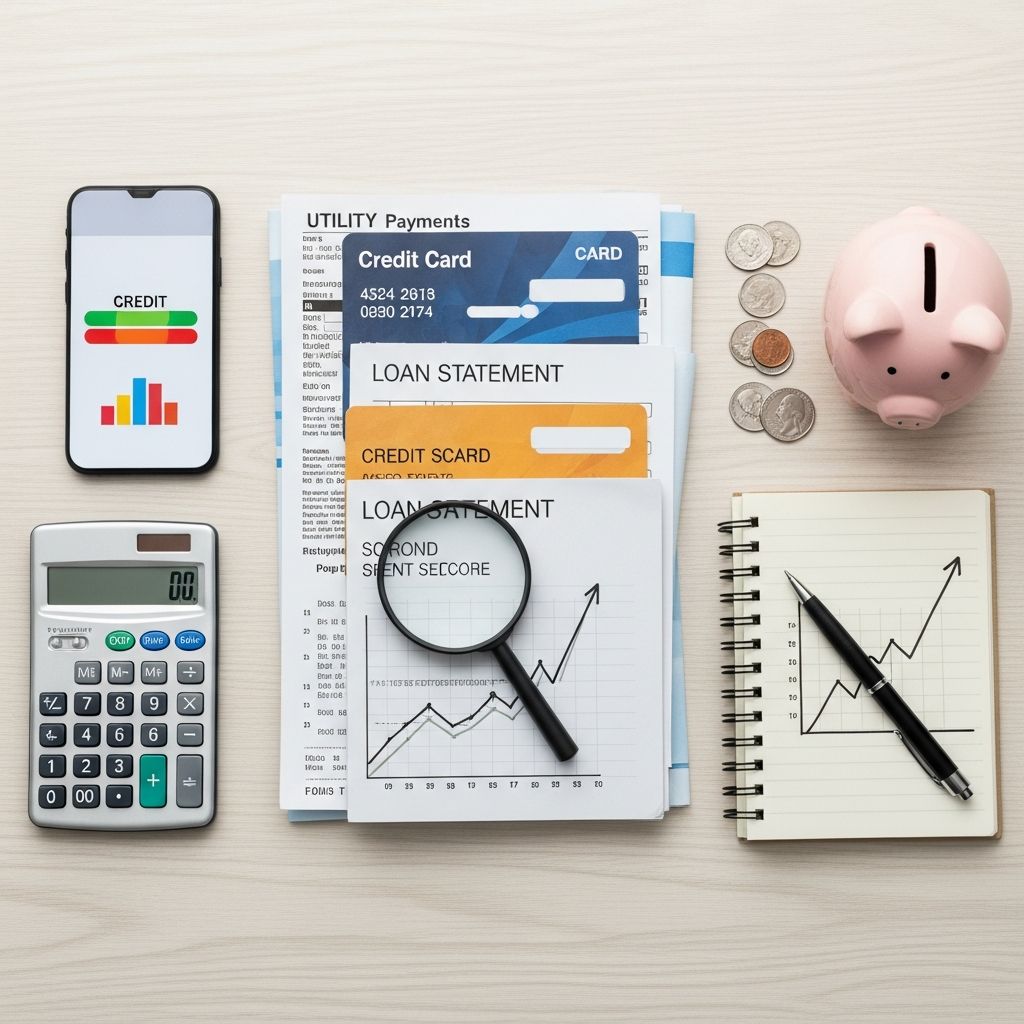
Not all debts appear on credit reports. Accounts that show on your credit report are credit-related—credit cards, mortgages, car loans and other installment loans—since these are accounts that lenders report regularly. Utility payments, rent, and other obligations from businesses that don’t extend formal credit typically don’t reach credit bureaus, though this landscape is gradually changing.
How Payment Behavior Influences Credit Scores
The mathematical relationship between payment history and credit scores is straightforward: better payment records produce higher scores. However, the impact operates on a more nuanced level than simple percentages suggest.
Recency and Frequency Matter: Recent payment problems damage scores more severely than older ones. A late payment from six months ago affects your score differently than one from six years ago. Similarly, isolated incidents hurt less than patterns. One missed payment impacts your creditworthiness differently than a series of late payments.
Severity of Delinquency: Not all late payments are equal. A payment 30 days overdue creates different damage than one 90 days overdue. The further behind you fall, the more serious the impact. Collection accounts and bankruptcies create the most severe consequences, potentially affecting credit scores for years.
Your Overall Credit Profile Strength: The same delinquency affects different borrowers differently based on their credit profile. Someone with excellent credit and extensive positive history may see a more substantial percentage drop from a single late payment than someone with average credit. Similarly, consumers with thin credit files experience harsher impacts because they lack the positive data to offset negative events.
Timeline and Retention of Payment Information
Credit information doesn’t remain on your reports indefinitely. Understanding these timelines helps you grasp when negative events stop influencing your score.
| Event Type | Typical Retention Period |
|---|---|
| On-time payments | Reported monthly while account is open; positive history extends as account ages |
| 30-day late payment | 7 years from the original delinquency date |
| Charge-off or collection | 7 years from the original delinquency date |
| Bankruptcy filing | 7-10 years depending on bankruptcy chapter |
| Foreclosure | 7 years from the delinquency that triggered it |
These timelines provide hope for those with past challenges. Negative information gradually loses influence as it ages, provided you establish a pattern of positive behavior afterward.
Comparison of Credit Scoring Models
While FICO scores weight payment history at 35%, other scoring models may allocate this component differently. Understanding these variations matters if you’re monitoring multiple score versions.
| Scoring Model | Payment History Weight | Other Notable Factors |
|---|---|---|
| FICO Score | 35% | Amounts owed (30%), Length of history (15%), New credit (10%), Credit mix (10%) |
| VantageScore | 40% | Age and type of credit (21%), Credit utilization (20%), Balance (11%), New credit (5%) |
Whether you use FICO or VantageScore, payment history remains the dominant factor. This consistency across models emphasizes just how critical your payment behavior is to lenders and credit evaluation systems.
The Mechanics of Credit Bureau Reporting
Creditors report your account status to credit bureaus, typically on a monthly basis. This ongoing reporting creates your payment history record. Each report contains specific information: whether you paid on time, how much you owed, and your account status. Late payments don’t immediately damage your score—they must reach a certain threshold before reporting.
A late payment typically affects scores once it’s reported at 30 or more days past due. Most creditors don’t report late payments until you’re at least 30 days behind. This 30-day threshold is important; a payment 15 days late won’t yet appear on your credit report. However, once 30 days pass, the negative entry hits your report and begins affecting your score.
Strategic Insights for Building Payment Reliability
Understanding how payment history influences credit scores naturally leads to strategies for improvement and maintenance of good standing.
Prioritize Consistent On-Time Payments: Paying your bills on time, every time, is the best thing you can do for your credit score. This isn’t optional if you want strong credit. Set up automatic payments, calendar reminders, or any system that ensures you never miss due dates. The compounding effect of months and years of on-time payments creates substantial credit resilience.
Understand the Cost of Delinquency: Even a single late payment can trigger measurable score decline. The older your credit history and the better your record, the more a late payment costs. Someone with 20 years of perfect payment history loses more points from one 30-day late payment than someone building credit for the first time.
Manage Multiple Accounts Strategically: Having multiple types of accounts paid on time—credit cards, installment loans, mortgages—demonstrates comprehensive financial responsibility. However, opening accounts solely to improve credit mix is counterproductive.
Recovering from Payment Problems
If you’ve experienced late payments or other delinquencies, recovery is possible. More-recent or repeated delinquencies hurt your credit more, while older, isolated late payments tend to matter less as you add positive payment history. This means that consistent on-time payments following a delinquency gradually reduce that event’s impact.
The path forward requires discipline: Pay everything on time going forward, minimize new credit inquiries, and let time work in your favor. While negative information doesn’t immediately disappear, its influence fades as your positive behavior accumulates.
Frequently Asked Questions
How long does a late payment affect my credit score?
Late payments remain on your credit report for 7 years from the original delinquency date. However, their impact on your score diminishes over time, especially as you establish new positive payment history. Recent late payments hurt more than older ones.
Will paying off a collection account remove it from my credit report?
Paying a collection account doesn’t remove it from your report, but it may reduce the damage, especially if the collection agency agrees to remove the entry or report it as “paid.” The collection will still remain on your report for 7 years from the original delinquency date, but its impact decreases.
Can I improve my payment history quickly?
Payment history improvements require time. You can’t quickly rebuild years of missed payments, but you can immediately start establishing positive patterns by paying every bill on time. The longer your streak of on-time payments, the more your score will recover.
Do utility and rent payments help my credit if they’re on time?
Traditional utility and rent payments don’t appear on standard credit reports and don’t directly affect FICO scores. However, some emerging credit products and alternative scoring models do consider these payments. Late utilities or evictions may appear on reports through collection agencies, negatively impacting scores.
What’s the difference between payment history and credit history?
Payment history is a subset of your broader credit history. Payment history specifically documents how you’ve paid your accounts, while credit history encompasses all credit information including account types, ages, and other factors. Payment history is the most important component within your overall credit history.
Moving Forward with Financial Confidence
Your payment history represents more than a credit score component—it’s a reflection of your financial reliability and personal integrity. Your payment history gives lenders insight into what kind of borrower you are. The consistency with which you meet financial obligations shapes not only your creditworthiness but also the terms and opportunities available to you.
By understanding how payment records influence credit scores and committing to on-time payments across all accounts, you invest in your financial future. The habits you establish today compound over years and decades, either supporting your financial goals or limiting them. Every on-time payment strengthens your position; every late payment temporarily weakens it. The choice remains yours with each billing cycle.
References
- How does payment history affect your credit score? — Bankrate. https://www.bankrate.com/personal-finance/credit/payment-history-credit-score/
- How Payment History Impacts Your Credit Score — myFICO. https://www.myfico.com/credit-education/credit-scores/payment-history
- What Is Payment History and How Does It Impact Your Credit? — Credit Karma. https://www.creditkarma.com/credit/i/payment-history-credit-report
- Payment History and How It Impacts Credit — Capital One. https://www.capitalone.com/learn-grow/money-management/payment-history/
- Factors That Determine Credit Scores — Experian. https://www.experian.com/blogs/ask-experian/credit-education/score-basics/what-affects-your-credit-scores/
- What Is a Credit Score & Why Is It Important? — Equifax. https://www.equifax.com/personal/education/credit/score/articles/-/learn/what-is-a-credit-score/
Similar Articles








Read full bio of Sneha Tete