Payment Method Security: Credit vs Debit Card Protection
Understand the fraud protection differences between credit and debit cards

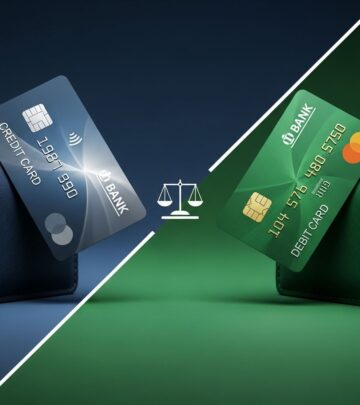
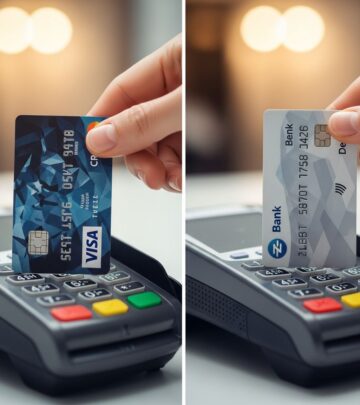
When managing personal finances, choosing between credit and debit cards involves more than convenience and spending habits. The legal protections and fraud liability frameworks differ significantly between these two payment methods, with substantial implications for your financial security. Understanding these distinctions helps you make informed decisions about which payment tool to use in different situations and how to minimize your exposure to unauthorized charges.
Understanding the Legal Framework Behind Payment Protection
Two primary federal laws govern the handling of fraudulent transactions and establish consumer liability limits. The Fair Credit Billing Act (FCBA) applies to credit card transactions, while the Electronic Funds Transfer Act (EFTA) governs debit card usage. Although both laws provide some consumer protections, they operate under fundamentally different principles that create disparate levels of security for cardholders.
The distinction between these legal frameworks stems from how each payment method accesses funds. Credit card transactions create a debt between you and the card issuer, whereas debit card transactions directly remove money from your bank account. This fundamental difference shapes how fraud is handled, who bears the financial risk, and how quickly your money may be returned.
Liability Limits for Credit Card Fraud
Under the FCBA, your maximum liability for unauthorized credit card charges is capped at $50, regardless of the fraud amount. However, this protection comes with an important condition: you must report the card as lost or stolen before unauthorized transactions occur. If you report the loss or theft after fraudulent charges have already been made, you are still limited to $50 in liability, and many credit card issuers go further by offering zero liability protection on all fraudulent transactions.
The practical advantage of this structure becomes apparent when fraud occurs. Since the credit card company advances the funds, not your personal bank account, you do not experience immediate financial loss. Most credit card issuers place fraudulent charges on hold while conducting investigations, ensuring that disputed amounts do not impact your available funds. Your bank account and linked financial accounts remain untouched throughout the investigation process.
Additionally, because credit card fraud does not directly access your operating funds, the timeline for reporting fraud is more forgiving. You have up to 60 days to report unauthorized transactions under the FCBA without affecting your liability protection.
Debit Card Fraud and Time-Sensitive Liability
Debit card fraud protection under the EFTA creates a significantly different risk scenario. Your liability depends entirely on how quickly you report unauthorized charges, creating a time-sensitive liability structure:
- Before unauthorized charges occur: Zero liability if you report the card lost or stolen
- Within two business days of fraud: Maximum liability of $50
- Between two and 60 calendar days after fraud: Maximum liability of $500
- After 60 calendar days: Potentially unlimited liability for all unauthorized charges
This tiered liability system reflects the fundamental difference in how debit transactions work. Because debit card fraud directly accesses your bank account, the EFTA imposes stricter time requirements for reporting. Missing the initial two-day window can multiply your exposure fivefold, while failing to report within 60 days can eliminate your protection entirely.
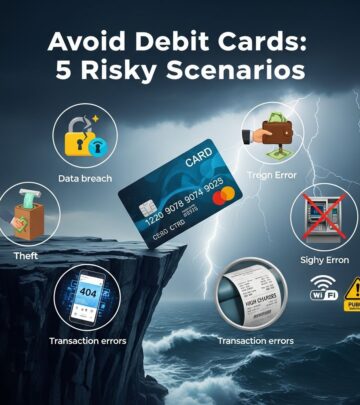
The unlimited liability scenario in the debit card framework creates particularly serious consequences. If you discover fraudulent transactions more than 60 days after they occur—a scenario that might happen if you don’t regularly review statements or if fraud occurs on a rarely-used account—you could lose the entire amount stolen, and potentially funds from linked savings or credit accounts if the fraud extended across multiple accounts.
Comparing Liability Frameworks: A Practical Analysis
| Fraud Timing | Credit Card Liability | Debit Card Liability |
|---|---|---|
| Before fraud occurs | $0 | $0 |
| After fraud (within timeframe) | $0-$50 maximum | $50-$500 (depending on timing) |
| Delayed reporting (60+ days) | $0-$50 maximum | Unlimited (100% of loss) |
| Typical issuer policy | Zero liability common | Varies by institution |
The table above illustrates why many financial advisors recommend credit cards for everyday transactions. The maximum exposure remains bounded even in worst-case reporting scenarios, whereas debit card liability can escalate dramatically based on reporting delays.
The Money-at-Risk Factor
A critical distinction that often receives insufficient attention is whose money faces immediate risk. When fraudulent charges appear on a credit card, the credit card company’s funds are technically at risk, not yours. The issuer covers the disputed amount while investigating, and you retain full access to your money in the interim.
Conversely, debit card fraud creates immediate access issues to your own funds. Money is removed from your account as fraudulent transactions occur, and while you may eventually recover those funds through investigation, your financial liquidity is compromised during the dispute resolution process. If you depend on that money for essential expenses, unexpected debit card fraud can create significant hardship even if you eventually recover the funds.
Zero Liability Protection: Industry Standards Beyond Federal Law
While federal law establishes baseline protections, many credit card issuers provide additional security measures that exceed minimum requirements. Zero liability policies have become industry standard for most major credit cards, meaning cardholders face no responsibility for fraudulent transactions when reported promptly. This represents an improvement over the federal $50 maximum liability.
Some debit card issuers also offer zero liability protection, but these policies often come with specific conditions or restrictions. You may need to report fraud within particular timeframes, and terms vary considerably between financial institutions. Before relying on a debit card’s fraud protection, verify your specific bank’s zero liability policy and understand any conditions that might apply.
Situational Considerations: When Debit Cards May Be Appropriate
Despite the superior fraud protection of credit cards, certain situations make debit cards a reasonable choice:
- Spending discipline: If you struggle with credit card debt, using a debit card ensures spending remains limited to available funds
- Convenience fees: Some merchants charge additional fees for credit card usage; using a debit card avoids these surcharges
- Account management: Some people prefer the straightforward accounting of debit card usage, where transactions immediately reflect in account balances
- Specialized accounts: Certain financial products designed for spending management may only offer debit functionality
When choosing to use a debit card, mitigate fraud risk by selecting a financial institution that explicitly offers zero liability protection on debit transactions and maintains clear reporting procedures.
Protective Measures for All Payment Methods
Regardless of whether you use credit or debit cards, implementing proactive security measures significantly reduces fraud risk:
- Secure physical storage: Keep cards in your possession rather than in vehicles, gym lockers, or other accessible locations
- Contactless payment usage: When available, use contactless payment methods, which offer enhanced security compared to magnetic stripe or chip readers
- Regular statement review: Monitor account activity frequently to identify unauthorized transactions quickly
- Credit report monitoring: Regularly review your credit report to detect identity theft or fraudulent accounts opened in your name
- Alert systems: Enable transaction alerts through your financial institution to receive immediate notifications of account activity
These protective behaviors are particularly important for debit card users, where reporting delays directly escalate liability exposure.
Making the Right Choice for Your Circumstances
The safer payment method depends on your specific situation and priorities. Credit cards offer superior fraud protection through federal law and issuer policies, making them preferable for most everyday purchases and online transactions. The bounded liability and zero liability options provide peace of mind that debit cards typically cannot match.
However, if you value spending discipline, wish to avoid convenience fees, or prefer straightforward account management, debit cards remain viable if your financial institution provides robust fraud protection policies. The key is understanding your specific institution’s protections and monitoring your accounts actively.
Frequently Asked Questions
- What is the maximum liability for credit card fraud?
- Under federal law, maximum liability is $50 for unauthorized charges. Most major credit card issuers offer zero liability policies that cover all fraudulent transactions when reported promptly.
- How long do I have to report debit card fraud?
- You have 60 days from the statement date containing the fraudulent transaction to retain any liability protection. Reporting within two days limits liability to $50, but waiting longer increases exposure up to $500 or potentially unlimited amounts.
- Can my linked savings account be affected by debit card fraud?
- Yes, if your debit card is connected to multiple accounts, fraudsters may drain funds from linked accounts. Your liability protection may extend to these accounts, but this depends on your financial institution’s specific policies.
- Do all credit cards offer zero liability protection?
- Most major credit cards offer zero liability protection, but policies vary. Review your card’s terms or contact your issuer to confirm the specific protections included.
- Is it safer to use credit cards online than in stores?
- Credit cards provide superior fraud protection for both online and in-store transactions compared to debit cards. For online shopping specifically, credit cards reduce the risk of account compromise affecting your primary checking account.
- What should I do if my debit card is stolen?
- Report the theft to your bank immediately to minimize liability. Reporting within two days limits your responsibility to $50. Do not delay, as waiting beyond 60 days eliminates federal protection.
Conclusion: Aligning Payment Methods with Security Priorities
Credit cards provide stronger consumer protections and fraud liability frameworks that benefit most cardholders. The combination of federal law protections, issuer zero liability policies, and the fact that the card company’s money is at risk rather than your personal funds creates a more secure payment environment. The more forgiving reporting timelines and bounded liability exposure make credit cards a prudent choice for everyday purchases and online transactions.
Debit cards, while convenient and useful for spending management, require greater vigilance and faster fraud reporting to maintain adequate protection. The time-sensitive liability structure means that delayed fraud discovery can result in substantial financial loss.
The most effective financial security strategy involves using both payment methods strategically: credit cards for everyday purchases, online transactions, and travel; debit cards for specific situations where spending control is paramount or convenience fees would be excessive. Regardless of your choice, actively monitor accounts and maintain awareness of both payment methods’ fraud reporting procedures to ensure you can respond quickly if unauthorized charges occur.
References
- Fair Credit Billing Act and Electronic Funds Transfer Act Overview — Federal Trade Commission. 2024. https://www.consumer.ftc.gov/articles/0213-billing-disputes-and-billing-errors
- Credit Card vs Debit Card Fraud Protection — Consumer Financial Protection Bureau. 2024. https://www.consumerfinance.gov/ask-cfpb/what-is-my-liability-if-my-credit-card-is-lost-or-stolen-en-1091/
- Michigan Consumer Protection: Credit Card vs Debit Card — State of Michigan Consumer Protection. 2024. https://www.michigan.gov/consumerprotection/
- Debit Card Fraud and Consumer Rights — Federal Reserve Board. 2024. https://www.federalreserve.gov/consumerinfo/debit_cards.htm
Similar Articles








Read full bio of medha deb