Payment Gateway: Definition, How It Works & Benefits
Complete guide to payment gateways: secure transaction processing for online and in-person payments.
What Is a Payment Gateway?
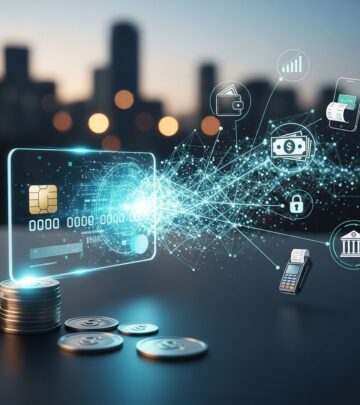
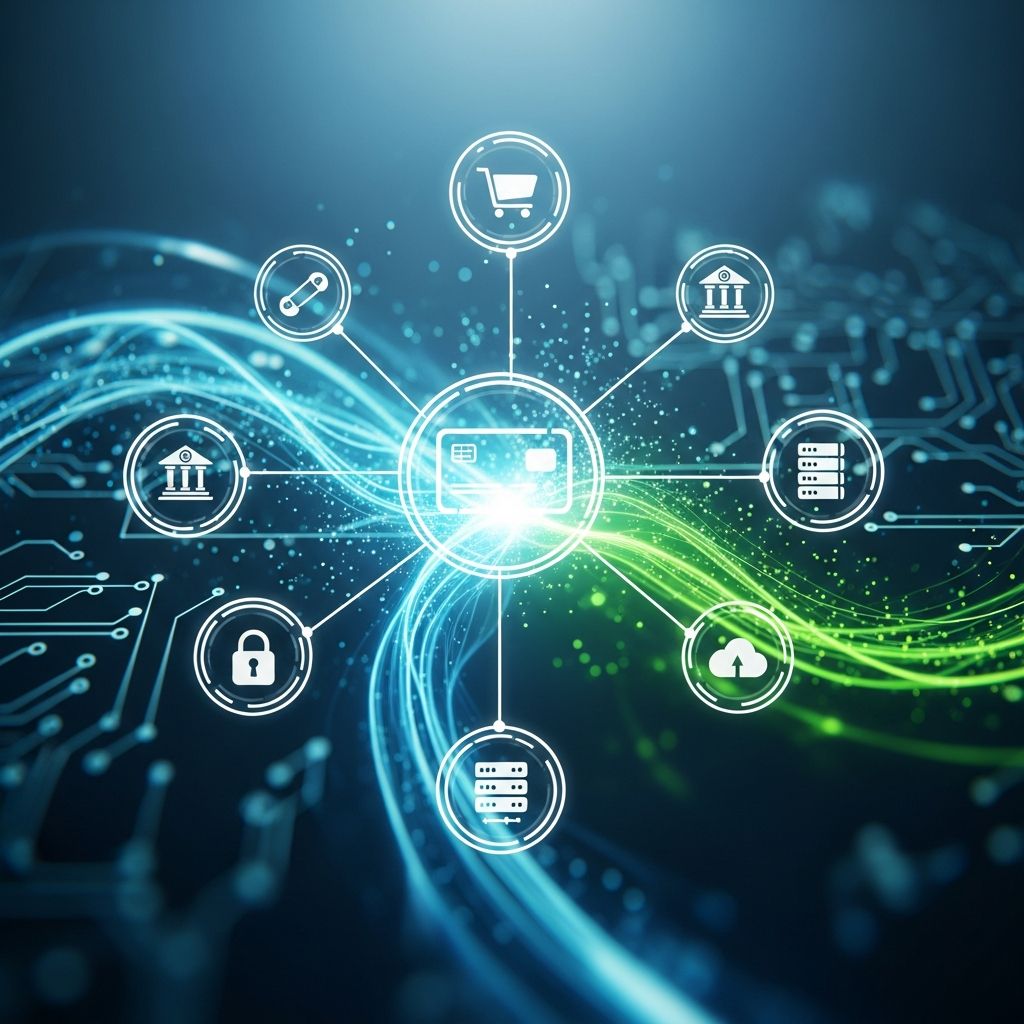
A payment gateway is a technology platform that acts as an intermediary in electronic financial transactions, enabling businesses to accept, process, and manage various payment methods securely and efficiently. Whether you’re running an online store or a brick-and-mortar shop, a payment gateway serves as the critical bridge connecting customers, merchants, and financial institutions. It’s the digital infrastructure that makes modern commerce possible by safely capturing payment information and facilitating its transmission through the financial system.
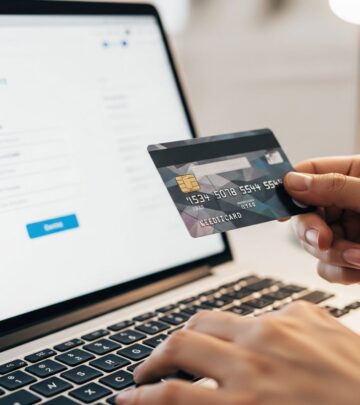
At its core, a payment gateway functions as the digital front door of any transaction. When a customer decides to make a purchase, the payment gateway is the first technology they interact with—the checkout form where they enter their payment details. This crucial touchpoint ensures that sensitive financial information is captured securely before being transmitted through multiple layers of banking systems for verification and approval.
How Payment Gateways Work
Understanding the mechanics of payment gateway operations reveals a sophisticated multi-step process designed to protect both merchants and customers while ensuring transactions complete smoothly.
Step 1: Data Collection and Encryption
The payment process begins when a customer enters their payment information—typically credit card or debit card details—through the merchant’s website or mobile application. The payment gateway immediately captures this sensitive data and encrypts it using advanced security protocols. Encryption transforms the readable payment information into a coded format that only authorized parties can decipher, preventing malicious actors from intercepting and misusing the information. This initial encryption layer ensures compliance with Payment Card Industry (PCI) Data Security Standards, protecting both the business and the customer.
Step 2: Forwarding Transaction Details
Once the payment gateway encrypts the transaction data, it forwards this secured information to the merchant’s acquiring bank—the financial institution responsible for processing payments on behalf of the business. The acquiring bank acts as the merchant’s financial partner, managing the flow of funds throughout the transaction. This handoff from the payment gateway to the acquiring bank marks the transition from the customer-facing interface to the backend financial processing systems.
Step 3: Card Network Routing
The acquiring bank then sends the payment request to the appropriate card network, such as Visa, Mastercard, or American Express, depending on the customer’s card type. The card network serves as a crucial intermediary, routing the authorization request to the customer’s issuing bank—the financial institution that issued the customer’s payment card. This network-based routing ensures that requests reach the correct institution regardless of geographic location or banking infrastructure differences.
Step 4: Transaction Verification and Authorization
The issuing bank receives the authorization request and performs critical verification checks. These checks include confirming that the customer has sufficient account funds, verifying the payment method is valid and not flagged for fraud, and ensuring the card hasn’t been reported as lost or stolen. The issuing bank also cross-references the transaction against the customer’s historical spending patterns to detect potentially fraudulent activity. Within seconds, the issuing bank returns an approval or decline response through the card network back to the acquiring bank.
Step 5: Response Transmission
The payment gateway receives the authorization response from the acquiring bank and immediately communicates this result back to the merchant’s website or application. The customer sees either a confirmation message indicating the transaction has been approved or an error message explaining why the transaction was declined. This entire process typically occurs within just a few seconds, creating a seamless experience for the customer.
Key Functions of Payment Gateways
Payment gateways perform multiple essential functions that work together to enable secure, efficient payment processing:
Secure Data Transmission
Payment gateways establish secure communication channels between all parties involved in a transaction. They use encryption and tokenization to protect sensitive payment information throughout its journey from the customer’s device to banking systems. Tokenization replaces sensitive card data with unique identifiers, adding an extra layer of security by ensuring that actual payment card numbers are never exposed to unnecessary parties.
Payment Authorization Processing
The gateway manages the entire authorization workflow, routing transaction requests through appropriate channels and receiving approval decisions. This function ensures that only valid, authorized transactions proceed to the settlement phase, protecting merchants from fraudulent charges and reducing risk exposure.
Fraud Prevention and Detection
Modern payment gateways incorporate sophisticated fraud screening tools that analyze transaction patterns, verify customer information, and flag suspicious activity. These systems use machine learning and historical data to identify unusual transactions that might indicate fraud, protecting both merchants and legitimate customers from unauthorized charges.
Data Collection and Reporting
Payment gateways collect detailed transaction data that provides merchants with valuable insights into their payment processing. This includes transaction amounts, success rates, customer information, and timing data. Merchants can access comprehensive reports and analytics that help them understand their payment patterns and optimize their operations.
Multiple Payment Method Support
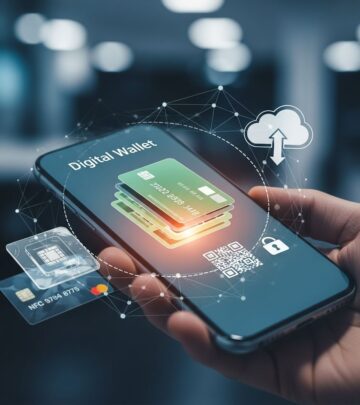
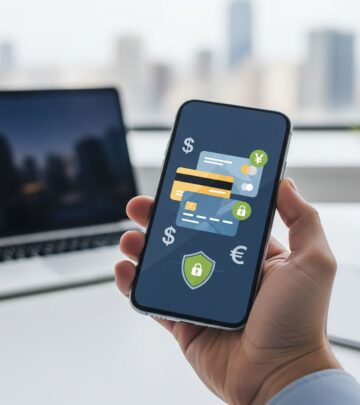
Modern payment gateways support not only traditional credit and debit cards but also digital wallets like Apple Pay, Google Pay, and other electronic payment methods. This flexibility allows customers to choose their preferred payment method, increasing conversion rates and customer satisfaction.
Payment Gateway vs. Payment Processor: Understanding the Difference
While payment gateways and payment processors are closely related and often work together, they serve distinct functions in the payment ecosystem.
| Aspect | Payment Gateway | Payment Processor |
|---|---|---|
| Primary Role | Acts as the customer-facing interface that securely captures and encrypts payment data | Communicates with banks and card networks to authorize and settle transactions |
| Main Function | Collects customer payment information, encrypts it, and forwards it for processing | Routes transaction data between merchant, card networks, and banks; handles fund transfers |
| Security Responsibility | Encrypts sensitive data and performs initial fraud screening | Ensures bank-level security and verifies fund transfer authorization |
| User Interface | Integrated into websites and apps as the public checkout interface | Operates behind the scenes within financial networks |
| Settlement Role | Transmits payment data; does not handle actual fund movement | Manages clearing and settlement, ensuring funds transfer from customer to merchant |
| Compliance Focus | Maintains PCI compliance for data protection | Manages strict banking compliance and regulatory reporting requirements |
The payment gateway is essentially the front door of the transaction, while the payment processor is the engine that moves money through the financial system. Gateways handle the human interaction and initial data security; processors handle the technical financial routing and settlement. Together, they create a complete payment ecosystem where data flows securely and funds transfer efficiently.
Payment Gateway vs. Payment Terminal
Payment gateways and payment terminals are related technologies that serve different transaction environments.
Payment Gateway: Designed for online and card-not-present transactions, payment gateways operate through websites and mobile applications. Customers enter payment information digitally, which the gateway securely transmits for authorization.
Payment Terminal: Used primarily for in-person transactions, payment terminals physically read customer payment cards or contactless payment devices. Terminals connect to acquiring banks through phone lines, internet connections, or mobile networks. They perform similar authorization functions as payment gateways but handle the unique requirements of face-to-face commerce, such as printing receipts and managing PIN entry.
Benefits of Using Payment Gateways
Payment gateways offer significant advantages for modern businesses:
- Enhanced Security: Encryption and tokenization protect sensitive payment data from theft and unauthorized access.
- Increased Conversion Rates: Fast, reliable payment processing reduces cart abandonment and improves customer confidence.
- Global Reach: Support for multiple currencies and payment methods enables businesses to serve international customers.
- Fraud Protection: Advanced screening tools identify and prevent fraudulent transactions before they cause financial loss.
- Regulatory Compliance: Payment gateways help businesses meet PCI DSS and other payment industry standards.
- Detailed Analytics: Transaction reporting provides insights that help optimize payment processing and business operations.
- Customer Experience: Quick transaction processing and multiple payment options create a seamless buying experience.
Choosing the Right Payment Gateway
Selecting a payment gateway requires careful consideration of your business needs. Evaluate factors including transaction fees, supported payment methods, security features, integration capabilities with your existing systems, customer support quality, reporting and analytics functionality, and scalability for future growth. Popular payment gateway providers include Stripe, Square, PayPal, and others, each offering different feature sets and pricing structures suitable for various business sizes and types.
The Future of Payment Gateways
Payment gateway technology continues to evolve to meet changing consumer preferences and security requirements. Emerging trends include increased adoption of digital wallets and contactless payments, enhanced artificial intelligence for fraud detection, improved support for cryptocurrency and alternative payment methods, and streamlined integration with e-commerce platforms. As technology advances, payment gateways will become even more sophisticated in balancing security, speed, and customer convenience.
Frequently Asked Questions
Q: What is the main purpose of a payment gateway?
A: The main purpose of a payment gateway is to securely capture customer payment information, encrypt it, and transmit it through the financial system to authorize transactions. It serves as the essential intermediary that enables secure online payments by connecting customers, merchants, and financial institutions.
Q: Is a payment gateway the same as a payment processor?
A: No, they are different but complementary systems. A payment gateway captures and encrypts payment data, while a payment processor handles the actual communication with banks and card networks to authorize and settle transactions. Gateways are customer-facing; processors operate behind the scenes.
Q: How does a payment gateway ensure my financial information is secure?
A: Payment gateways use encryption technology to convert your payment information into a secure code that only authorized parties can decode. They also implement tokenization, fraud detection systems, and comply with strict PCI security standards to protect sensitive data throughout the transaction process.
Q: What payment methods do modern payment gateways support?
A: Modern payment gateways typically support credit cards, debit cards, and digital wallets such as Apple Pay and Google Pay. Many gateways are expanding to include alternative payment methods and may support bank transfers or other electronic payment options depending on the provider.
Q: How long does payment gateway processing take?
A: The entire payment gateway authorization process typically occurs within just a few seconds. This rapid processing allows customers to receive immediate confirmation of their transaction, creating a seamless checkout experience.
Q: Can small businesses use payment gateways?
A: Yes, payment gateways are accessible to businesses of all sizes, from small online stores to large enterprises. Many providers offer flexible pricing and scalable solutions that grow with your business needs, making payment processing technology available regardless of company size.
References
- Payment Gateways 101 — Stripe. Accessed 2025-11-29. https://stripe.com/resources/more/payment-gateways-101
- Difference Between Payment Gateway and Payment Processor — SDK Finance. Accessed 2025-11-29. https://sdk.finance/blog/difference-between-payment-gateways-and-payment-processors/
- Payment Gateways: What Are They and How Do They Work? — Airwallex. Accessed 2025-11-29. https://www.airwallex.com/us/blog/payment-gateways-what-is-it-how-it-works
- What’s a Payment Gateway (and How Does It Work)? — Montonio. Accessed 2025-11-29. https://www.montonio.com/blog/whats-a-payment-gateway-and-how-does-it-work
Similar Articles








Read full bio of medha deb