Payment: Definition, Types, Methods, and Examples
Complete guide to payments: Understanding types, methods, systems, and how transactions work today.
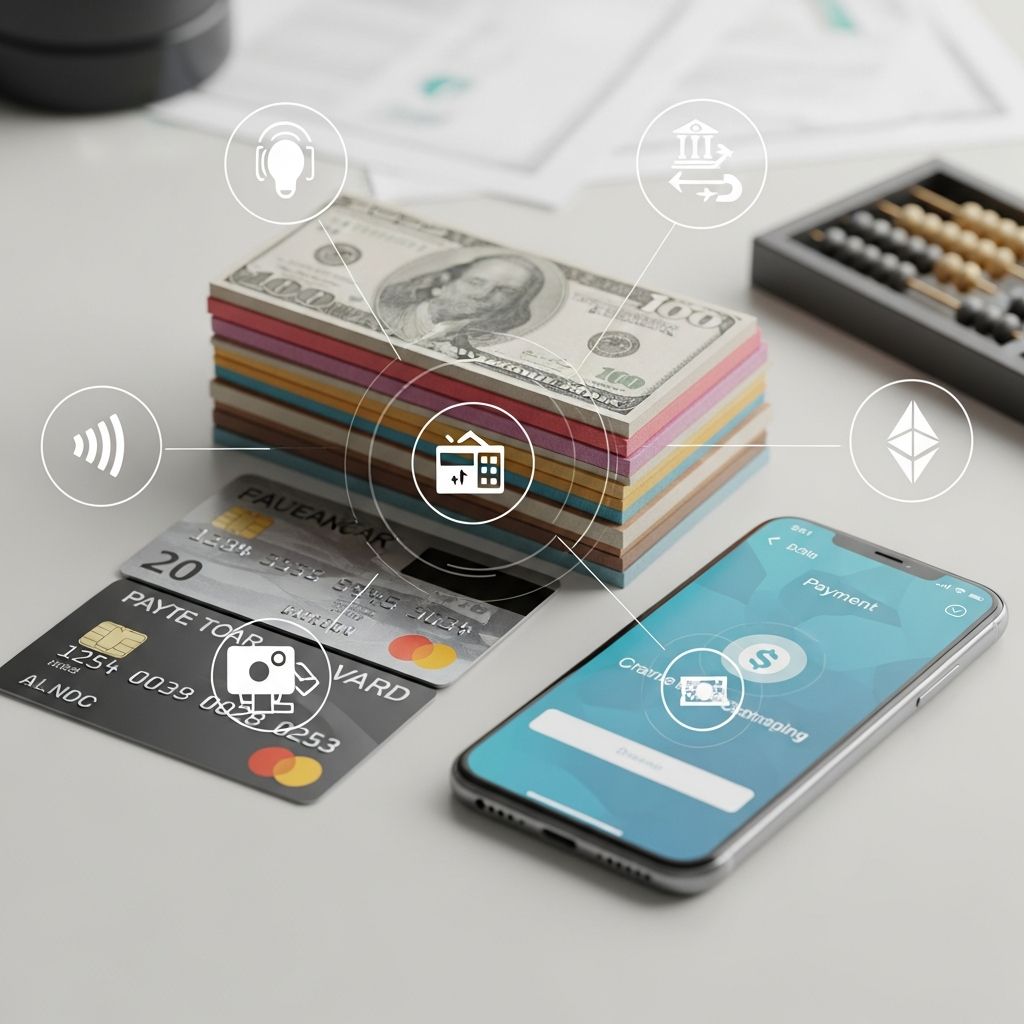
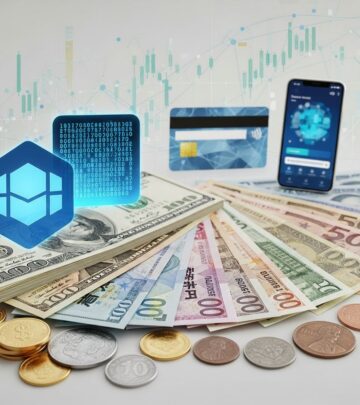
A payment represents the act of transferring money from one party to another in exchange for goods, services, or to fulfill a financial obligation. In the broadest sense, a payment is the transfer of value, typically in the form of currency or a financial instrument, from a debtor or purchaser to a creditor or seller. Payments are fundamental to commerce, personal finance, and the global economy, enabling transactions between individuals, businesses, and governments.
Understanding payments is essential for consumers and businesses alike, as they form the backbone of all financial transactions. Whether you’re buying groceries at a supermarket, paying your utility bill online, or conducting international business transactions, payments are involved. The methods and systems for making payments have evolved significantly over time, from barter systems to digital currencies.
The Definition of Payment
In financial terms, a payment is defined as the settlement of a debt or obligation through the transfer of money or its equivalent. It represents the completion of a transaction where the payer fulfills their financial responsibility to the payee. A payment can be made in various forms and through different channels, but the fundamental principle remains the same: the transfer of value from one party to another.
Payments can be categorized based on several factors, including:
- Timing: Immediate or deferred
- Method: Cash, card, digital, or check
- Frequency: One-time or recurring
- Scope: Domestic or international
Types of Payments
1. Cash Payments
Cash payments remain one of the oldest and most direct forms of payment. Physical currency—coins and paper money—is exchanged directly between parties. Cash transactions are immediate, require no intermediary, and provide anonymity. However, they are limited to in-person transactions and are becoming less common with the rise of digital alternatives.
2. Check Payments
Checks are written instruments that instruct a bank to pay a specific amount from the payer’s account to the payee. While checks were once the primary method for business payments and bill settlement, their usage has declined significantly due to the emergence of faster and more convenient electronic payment methods. Checks typically take several days to clear.
3. Card Payments
Payment cards, including debit cards and credit cards, have become ubiquitous in modern commerce. Debit cards draw directly from the cardholder’s bank account, while credit cards allow the cardholder to borrow money from the card issuer. Card payments can be processed at physical point-of-sale terminals or online, making them versatile and convenient for consumers and merchants.
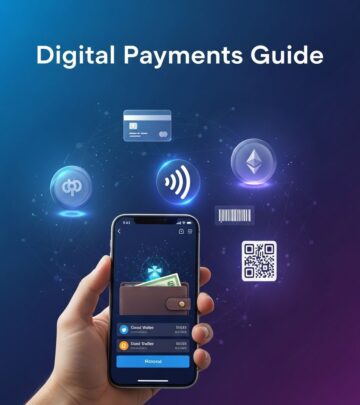
4. Digital and Mobile Payments
Digital payments encompass various electronic methods of transferring money, including:
- Bank transfers and wire transfers
- Automated Clearing House (ACH) transactions
- Mobile wallet applications
- Peer-to-peer (P2P) payment apps
- Digital currencies and cryptocurrencies
These methods offer speed, convenience, and often lower costs compared to traditional payment methods. Mobile payments, in particular, have grown exponentially, allowing consumers to make transactions using smartphones and other digital devices.
5. Alternative Payment Methods
Alternative payment methods include e-wallets, buy-now-pay-later (BNPL) services, and payment aggregators. These emerging options provide consumers with flexible payment solutions and have disrupted traditional payment landscapes in many markets.
Payment Methods and Systems
Credit Card Transactions
Credit card payments involve multiple parties: the cardholder, the merchant, the card issuer (bank), and the acquiring bank. When a cardholder makes a purchase with a credit card, the card issuer temporarily pays the merchant, and the cardholder receives a bill later. The cardholder can then pay the full balance or make monthly installments with interest.
Debit Card Transactions
Debit card transactions are more straightforward than credit card transactions. The cardholder’s bank account is debited immediately upon transaction. Debit cards are linked directly to the cardholder’s bank account and provide a more controlled spending method since the amount spent cannot exceed the account balance (with some exceptions for overdraft protection).
Bank Transfers
Bank transfers, also known as wire transfers, allow funds to be moved directly from one bank account to another. These transactions can be domestic or international. Domestic transfers typically settle within one to three business days, while international transfers may take longer due to currency conversion and clearing processes between different financial institutions and central banks.
Automated Clearing House (ACH)
ACH is a batch processing system for transferring money between bank accounts in the United States. ACH transactions include direct deposits, bill payments, and person-to-person transfers. ACH is cost-effective and secure but processes on specific schedules, typically settling within one to two business days.
Point-of-Sale (POS) Systems
Modern POS systems facilitate payment processing at the point of transaction. These systems can accept multiple payment methods and provide merchants with real-time transaction processing, inventory management, and sales reporting. POS systems have evolved from simple cash registers to sophisticated platforms integrating payment processing, customer management, and data analytics.
Payment Processing Workflow
Understanding how payments are processed helps clarify the journey of money from payer to payee. Here’s a typical payment processing workflow:
- Authorization: The payer initiates a payment request with details about the transaction amount and payee.
- Verification: The payment provider verifies the payer’s identity and checks for available funds or credit.
- Processing: The payment information is transmitted to the relevant financial institutions for processing.
- Settlement: The funds are transferred from the payer’s account to the payee’s account.
- Confirmation: Both parties receive confirmation of the successful transaction.
Payment Methods Comparison Table
| Payment Method | Speed | Cost | Security | Availability |
|---|---|---|---|---|
| Cash | Immediate | Free | Physical risk | In-person |
| Check | 3-5 days | Low | Moderate | In-person/mail |
| Debit Card | Immediate | Low | High | Widespread |
| Credit Card | Immediate | Variable | High | Widespread |
| Bank Transfer | 1-3 days | Low-Moderate | High | Account-based |
| Mobile Payment | Immediate | Low-Free | High | Smartphone |
| Cryptocurrency | Minutes-Hours | Variable | High | Online |
Key Players in Payment Processing
Payment Service Providers (PSPs)
Payment Service Providers facilitate payment processing for merchants and consumers. They provide the infrastructure, technology, and services needed to accept and process various payment methods. Major PSPs include PayPal, Stripe, Square, and Adyen, which offer comprehensive payment solutions to businesses of all sizes.
Financial Institutions
Banks and credit unions are foundational to the payment system, providing accounts, issuing cards, and facilitating transfers. They play a crucial role in ensuring the security and legitimacy of financial transactions.
Card Networks
Card networks such as Visa, Mastercard, American Express, and Discover set standards for card transactions and facilitate communication between issuers and acquirers. They ensure interoperability and security across the payment ecosystem.
Payment Gateways
Payment gateways are technology platforms that encrypt payment information and transmit it between the customer, merchant, and financial institutions. They ensure secure transmission of sensitive financial data.
Emerging Payment Trends
Contactless Payments
Contactless payment technology, including NFC (Near Field Communication) and QR code-based payments, has accelerated due to health and safety concerns. These methods allow transactions without physical contact between the cardholder and payment terminal.
Buy Now, Pay Later (BNPL)
BNPL services allow consumers to purchase items and pay for them in installments without interest, provided they pay within the specified timeframe. This model has disrupted traditional payment and financing methods, particularly among younger consumers.
Cryptocurrency and Blockchain
Cryptocurrencies and blockchain technology offer decentralized payment options. Some businesses now accept Bitcoin, Ethereum, and other digital currencies as payment, though regulatory uncertainty and volatility remain concerns.
Open Banking and API Integration
Open banking initiatives allow third-party developers to build applications and services using financial data. This enables more innovative payment solutions and better integration between different financial services.
Payment Security and Fraud Prevention
Payment security is paramount in the digital age. Key security measures include:
- Encryption: Data encryption protects sensitive payment information during transmission
- Tokenization: Replaces sensitive payment data with a unique identifier token
- Two-Factor Authentication: Requires multiple verification methods to confirm transactions
- PCI Compliance: Payment Card Industry standards ensure merchants maintain secure payment processing environments
- Fraud Detection: Machine learning algorithms identify suspicious transaction patterns
Global Payment Systems
Different regions have adopted various payment systems and standards. For example, the European Union has promoted SEPA (Single Euro Payments Area) to standardize payments across member countries. Asia has seen rapid growth in mobile and digital payment adoption, with services like Alipay and WeChat Pay dominating the market. In the United States, the Federal Reserve operates systems like Fedwire for large value transfers and the ACH network for routine payments.
Frequently Asked Questions (FAQs)
Q: What is considered a payment in accounting?
A: In accounting, a payment represents a cash outflow or reduction in liabilities. It’s recorded as a transaction that reduces the amount owed or transfers money from the company’s account to another party. Payments are documented in accounting records and financial statements.
Q: How long do payment transfers typically take?
A: Payment processing time depends on the method used. Cash and card payments are immediate, checks take 3-5 business days, bank transfers take 1-3 business days, and international transfers can take 5-10 business days or longer depending on correspondent banks involved.
Q: What is the difference between payment and settlement?
A: Payment is the act of transferring funds from payer to payee, while settlement is the finalization of the transaction where both parties’ accounts are updated. Payment occurs when the instruction is initiated, while settlement completes the process.
Q: Are online payments secure?
A: Yes, modern online payments employ multiple security layers including encryption, tokenization, and fraud detection. However, users should follow best practices like using strong passwords, verifying website authenticity, and avoiding suspicious links.
Q: What payment method has the lowest cost for businesses?
A: ACH transfers and bank transfers typically have the lowest costs for businesses, especially for recurring or high-volume payments. Digital payment platforms may offer competitive rates, but fees vary based on transaction volume and the provider.
Q: Can I cancel a payment after it’s been made?
A: It depends on the payment method and stage of processing. Cash and in-person card payments cannot be canceled once completed. Checks can be stopped if not yet cashed. Wire transfers and ACH payments may be canceled before processing, but options are limited once they’ve cleared.
Conclusion
Payments are integral to modern commerce and personal finance. From traditional cash transactions to cutting-edge digital currencies, payment methods continue to evolve to meet the needs of consumers and businesses. Understanding the different types of payments, methods, and systems available empowers individuals and organizations to make informed decisions about their financial transactions. As technology advances and new payment innovations emerge, the payment landscape will continue to transform, offering increased convenience, speed, and security.
References
- Payment Systems and Types — Federal Reserve System. 2024. https://www.federalreserve.gov/paymentsystems/
- Payment Card Industry Data Security Standard (PCI DSS) — PCI Security Standards Council. 2024. https://www.pcisecuritystandards.org/
- ACH Network: What It Is and How It Works — Nacha. 2024. https://www.nacha.org/
- Global Payments Report: Understanding Payment Methods and Market Trends — World Bank. 2023. https://www.worldbank.org/
- Digital Payment Security and Fraud Prevention — U.S. Department of the Treasury Financial Crimes Enforcement Network. 2024. https://www.fincen.gov/
Similar Articles








Read full bio of medha deb