Paying Your Debts in the Wrong Order Could Be Costing You
Discover why the order of debt repayment matters and how choosing the wrong strategy could inflate your interest costs significantly.

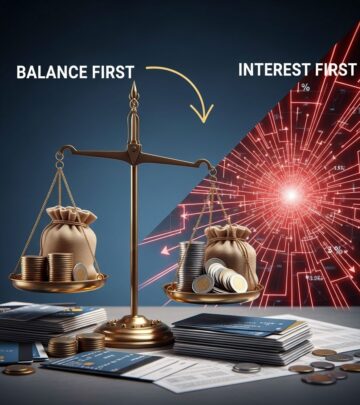
If you have multiple debts, the sequence in which you tackle them can dramatically affect your total interest payments and time to become debt-free. Paying off high-interest debts first saves money, while psychological strategies like smallest balances first build momentum.
Why Debt Repayment Order Matters
Many people juggle credit cards, loans, and other obligations without a strategic plan, leading to unnecessary costs. Randomly paying debts or focusing on largest balances first often results in higher interest accrual on costlier debts. A structured approach ensures minimum payments on all debts while aggressively targeting one at a time, freeing up cash flow progressively.
Consider a scenario with three debts: a $5,000 credit card at 20% APR, a $10,000 card at 15% APR, and a $2,000 personal loan at 10% APR. Without strategy, interest compounds inefficiently. Proper ordering minimizes this.
The Debt Snowball Method
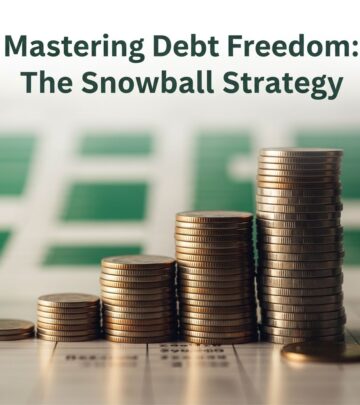
Popularized by financial experts, the debt snowball method involves listing debts from smallest to largest balance, paying minimums on all, and extra toward the smallest. Once cleared, roll that payment into the next smallest.
- Builds psychological wins by eliminating debts quickly.
- Ideal for motivation when facing overwhelm.
- May cost more in interest if small debts have lower rates.
For example, paying a $1,000 debt first versus a $20,000 high-interest one provides fast closure, encouraging persistence. Studies show behavioral momentum outperforms pure math for completion rates.
The Debt Avalanche Method
The debt avalanche (or snowball from highest interest) targets highest APR first, regardless of balance. This mathematically optimal strategy slashes total interest.
- Prioritizes cost savings over quick wins.
- Best for long-term financial efficiency.
- Requires discipline as progress may feel slower initially.
In practice, a 24% APR card paid first versus a 12% loan saves hundreds monthly in interest. Public Service News highlights how wrong ordering inflates costs significantly.
Snowball vs. Avalanche: A Comparison
| Method | Focus | Pros | Cons | Best For |
|---|---|---|---|---|
| Snowball | Smallest Balance First | Quick wins, motivation | Higher interest costs | Behavior-driven payers |
| Avalanche | Highest Interest First | Interest savings, efficiency | Slower visible progress | Math-focused individuals |
Data from credit unions confirms avalanche saves most over time, but snowball boosts completion. Choose based on your psychology.
Step-by-Step Guide to Implementing a Debt Plan
- List All Debts: Include balances, rates, minimums. Use a spreadsheet.
- Calculate Total Income: Determine extra funds after essentials.
- Choose Method: Snowball for motivation, avalanche for savings.
- Automate Minimums: Prevent fees.
- Track Progress: Monthly reviews maintain focus.
- Adjust as Needed: Refinance high-rate debts if possible.
CommunityAmerica Credit Union outlines similar steps, emphasizing persistence.
Common Mistakes to Avoid
Even post-payoff, pitfalls lurk. CreditCards.com warns against rebuilding debt or ditching credit entirely.
- Paying largest first: Ignores interest disparity.
- Ignoring minimums: Triggers fees, hurts credit.
- No budget: Leads to new debt.
- Closing paid cards: Lowers credit utilization score.
- Overlooking fees: Balance transfers, late charges add up.
WiseBread contributors share regrets like rushed consolidation without reading terms. Slow, steady repayment trumps quick fixes.
Real-Life Examples and Calculations
Suppose $25,000 total debt: $3,000@18%, $7,000@22%, $15,000@12%.Snowball total interest: ~$4,200 over 28 months.Avalanche: ~$3,100 over 32 months (saves $1,100).
Adjust for your numbers using online calculators. PS News stresses order’s cost impact.
Building Sustainable Habits
Beyond order, address root causes. Track spending, build emergency funds, set priorities. WiseBread notes accepting responsibility transforms mindsets. Avoid wage-slave cycles by planning.
Post-debt: Use cards responsibly for rewards, maintain autopay. Clean credit reports via FCRA rights.
Frequently Asked Questions (FAQs)
Q: Which method is better, snowball or avalanche?
A: Avalanche saves more money mathematically, but snowball excels for motivation. Choose based on needs.
Q: What if I miss minimum payments?
A: Penalties and credit damage ensue. Always prioritize minimums across all debts.
Q: Can I mix methods?
A: Yes, hybrid approaches work; clear small high-rate debts first for dual benefits.
Q: How long to be debt-free?
A: Depends on extra payments. $500/month on $20k@18% takes ~4 years avalanche-style.
Q: Should I consolidate debts?
A: Only if rates drop and fees are low; read terms carefully to avoid pitfalls.
Advanced Tips for Faster Freedom
Increase income via side gigs, cut variables like dining out. Negotiate rates: Creditors often reduce for good payers. Transfer balances to 0% promo cards strategically. Monitor credit via annualcreditreport.com (FCRA-protected).
Periodic expenses derail budgets; plan ahead. Net worth tracking motivates.
Slow and steady avoids burnout, unlike aggressive starts that falter. Freedom demands discipline over decades sometimes.
References
- Order of merit: How paying debts in the wrong order could be costly — Public Service News (PS News). 2016-01-12. https://psnews.com.au/order-of-merit-how-paying-debts-in-the-wrong-order-could-be-costly/4903/
- 30 Steps to Financial Wellness — CommunityAmerica Credit Union. 2021-04-22. https://www.communityamerica.com/blog/2021/04/22/30-steps-to-financial-wellness
- Our Worst Financial Mistakes and What You Can Learn From Them — WiseBread. N/A. https://www.wisebread.com/our-worst-financial-mistakes-and-what-you-can-learn-from-them
- Are You Paying Off Credit Card Debt the Wrong Way? — WiseBread. N/A. https://www.wisebread.com/are-you-paying-off-credit-card-debt-the-wrong-way
- 5 mistakes you should avoid after paying off credit card debt — CreditCards.com. N/A. https://www.creditcards.com/credit-management/mistakes-after-paying-off-credit-card-debt/
- Wage slave, debt slave — WiseBread. N/A. https://www.wisebread.com/wage-slave-debt-slave
- Slow and Steady Wins the Debt Race — WiseBread. N/A. https://www.wisebread.com/slow-and-steady-wins-the-debt-race
Similar Articles








Read full bio of Sneha Tete