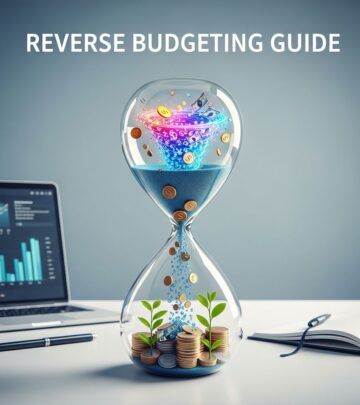
Pay Yourself First: What It Means and How to Do It
Master the pay yourself first strategy to prioritize savings, build wealth, and achieve financial security effortlessly.

The
pay yourself first
strategy is a proven budgeting method that flips traditional spending habits on their head. Instead of covering bills and discretionary expenses first and hoping there’s money left for savings, you allocate a portion of your income to savings or investments right away—treating it as your top priority expense. This approach, often called reverse budgeting, ensures consistent wealth-building by making saving automatic and non-negotiable.What Does “Pay Yourself First” Mean?
At its core,
pay yourself first
means directing a fixed percentage or dollar amount from each paycheck into savings, retirement accounts, or investments before addressing any other financial obligations. You “pay” your future self by setting aside money for goals like an emergency fund, home down payment, or retirement, forcing yourself to budget the remaining income for living expenses.This mindset shift is powerful because it eliminates the common trap of “saving what’s left,” which often leaves nothing due to unexpected costs or lifestyle creep. Financial institutions like PNC and Wells Fargo emphasize that this proactive tactic builds discipline and leverages compound interest for long-term growth.
For example, if your take-home pay is $4,000 monthly, you might commit 20% ($800) to savings first. Then, you live on the remaining $3,200, adjusting spending as needed. This method works across income levels, starting as small as 5% or $25 per paycheck to build the habit.
Why Pay Yourself First Works
The strategy’s effectiveness stems from behavioral psychology and automation. By saving first, you remove decision fatigue—once set up, transfers happen without monthly willpower battles. It also curbs overspending by limiting available spending money, promoting frugality without feeling deprived.
- Consistency: Money is set aside every payday, regardless of other expenses.
- Automation: Auto-transfers mimic bill payments, ensuring savings growth.
- Psychological benefits: Viewing savings as a bill fosters discipline and reduces financial stress.
- Compound growth: Early, regular deposits in interest-bearing accounts accelerate wealth.
Banks like Associated Bank note it simplifies budgeting: after savings, allocate the rest to needs and wants, streamlining financial management.
Benefits of the Pay Yourself First Strategy
Adopting this method yields tangible financial and emotional rewards. Here’s a breakdown:
| Benefit | Description | Long-Term Impact |
|---|---|---|
| Financial Security | Builds an emergency fund covering 3-6 months of expenses, reducing debt reliance. | Peace of mind during job loss or crises. |
| Savings Growth | Automatic deposits harness compound interest in high-yield accounts. | Wealth accumulation for retirement or goals. |
| Reduced Overspending | Limits discretionary funds, curbing impulse buys. | Avoids lifestyle inflation as income rises. |
| Discipline Building | Instills habits for sustained financial health. | Improved credit, lower stress, goal achievement. |
Thrivent highlights the 80/20 rule variant—20% to savings, 80% to everything else—as a simple framework boosting adherence.
How to Implement Pay Yourself First: Step-by-Step Guide
Getting started is straightforward. Follow these steps from sources like Wells Fargo and NerdWallet.
- Set Clear Goals: Define targets like $10,000 emergency fund or retirement contributions. Prioritize essentials over wants (e.g., retirement before vacation).
- Determine Your Amount: Aim for 10-20% of take-home pay. If $2,000 monthly, start with $200. Adjust based on budget—use 5-10% if tight.
- Open Dedicated Accounts: Use high-yield savings, money market, or retirement accounts (e.g., 401(k), IRA). Separate from checking to avoid temptation.
- Automate Transfers: Set up payroll deductions or bank auto-transfers on payday. Treat it like a bill.
- Budget the Rest: Live on remaining income. Track expenses; cut non-essentials if needed (e.g., dining out).
- Review and Increase: Quarterly, reassess. Boost savings as income grows or expenses drop.
Spruce Money advises testing: if $300 savings leaves you short, trim costs first before reducing the goal.
How Much Should You Pay Yourself?
There’s no one-size-fits-all, but guidelines help:
- Beginners: 5-10% ($25-$50/paycheck).
- Intermediate: 10-20% (80/20 rule).
- Aggressive: 20%+ for high earners or debt-free.
Calculate: Total income minus fixed expenses, then allocate surplus percentage to savings. Syracuse University recommends titling savings as your first “expense” in budgets.
Tools and Accounts for Success
Choose accounts maximizing returns:
- High-Yield Savings: For emergencies (4-5% APY).
- Retirement Accounts: 401(k) with employer match, Roth IRA.
- Apps: Bank apps for auto-transfers; tools like Acorns for micro-investing.
Automation via direct deposit splits paychecks seamlessly.
Common Mistakes to Avoid
Pitfalls can derail progress:
- No Goals: Vague savings lead to dips into funds.
- Too Ambitious Starts: 50% savings fails if unsustainable—scale gradually.
- Ignoring Emergencies: Build liquidity first.
- Skipping Reviews: Life changes; adjust quarterly.
- Lifestyle Creep: Save raises instead of spending.
Pay Yourself First Examples
Single Professional ($50k/year, ~$3,300/month take-home): Saves 15% ($500) to Roth IRA/emergency fund. Budgets $2,800 for rent ($1,200), food ($400), etc. Result: $6,000 saved yearly.
Family of Four ($80k/year, ~$5,000/month): 12% ($600) split: $300 emergency, $200 college, $100 retirement. Cuts cable, eats in. Grows to 20% in year 2.
Irregular Income Freelancer: Bases on lowest earnings (10%), transfers post-gig. Builds buffer over time.
Pay Yourself First vs. Other Budgets
| Method | Savings Priority | Best For |
|---|---|---|
| Pay Yourself First | First, automatic | Wealth-builders, habit-formers |
| 50/30/20 Rule | 20% after needs | Balanced spenders |
| Zero-Based | Assigned fully | Detail-oriented |
Pay yourself first excels in simplicity and savings focus.
Frequently Asked Questions (FAQs)
What if I can’t afford 10%?
Start with 1-5% or $20/paycheck. Increase as you cut expenses. Consistency matters more than amount.
Does it work with debt?
Yes—pay minimums, then savings. Debt snowball alongside builds momentum.
What about irregular income?
Save based on average or low months. Automate post-payment transfers.
Can I invest the savings?
Absolutely—after emergency fund, direct to index funds or retirement for growth.
How soon will I see results?
Emergency fund in 6-12 months; compound interest shines over years.
Embracing
pay yourself first
transforms finances from reactive to proactive. Start small, automate, and watch wealth grow. This timeless strategy, endorsed by major banks, empowers anyone toward security and freedom.References
- Pay Yourself First: An Unsung Self-Care Strategy — Bank FMB. 2024-06-15. https://www.bankfmb.com/pay-yourself-first-an-unsung-self-care-strategy/
- What Does It Mean to Pay Yourself First? — PNC Bank. 2025-03-10. https://www.pnc.com/insights/personal-finance/save/pay-yourself-first.html
- Pay Yourself First | Savings Goal — Spruce Money. 2024-11-20. https://www.sprucemoney.com/resource-center/savings/pay-yourself-first-savings-goal/
- Pay Yourself First: A Smart Saving Strategy — Wells Fargo. 2025-01-05. https://www.wellsfargo.com/financial-education/basic-finances/manage-money/cashflow-savings/pay-yourself-first/
- Pay Yourself First Every Payday — Associated Bank. 2024-09-12. https://www.associatedbank.com/education/articles/personal-finance/budgeting/pay-yourself-first-every-payday
- How to ‘Pay Yourself First’: Save More with 80/20 Budget — Thrivent. 2025-02-28. https://www.thrivent.com/insights/budgeting-saving/what-does-it-mean-to-pay-yourself-first
- Pay Yourself First — Syracuse University Financial Literacy. 2024-08-01. https://financialaid.syr.edu/financialliteracy/financial-basics/pay-yourself-first/
Similar Articles








Read full bio of Sneha Tete