Pay Utilities with Credit Card?
Discover if using your credit card for utility bills is a smart financial move—explore rewards, fees, and risks to make informed decisions.
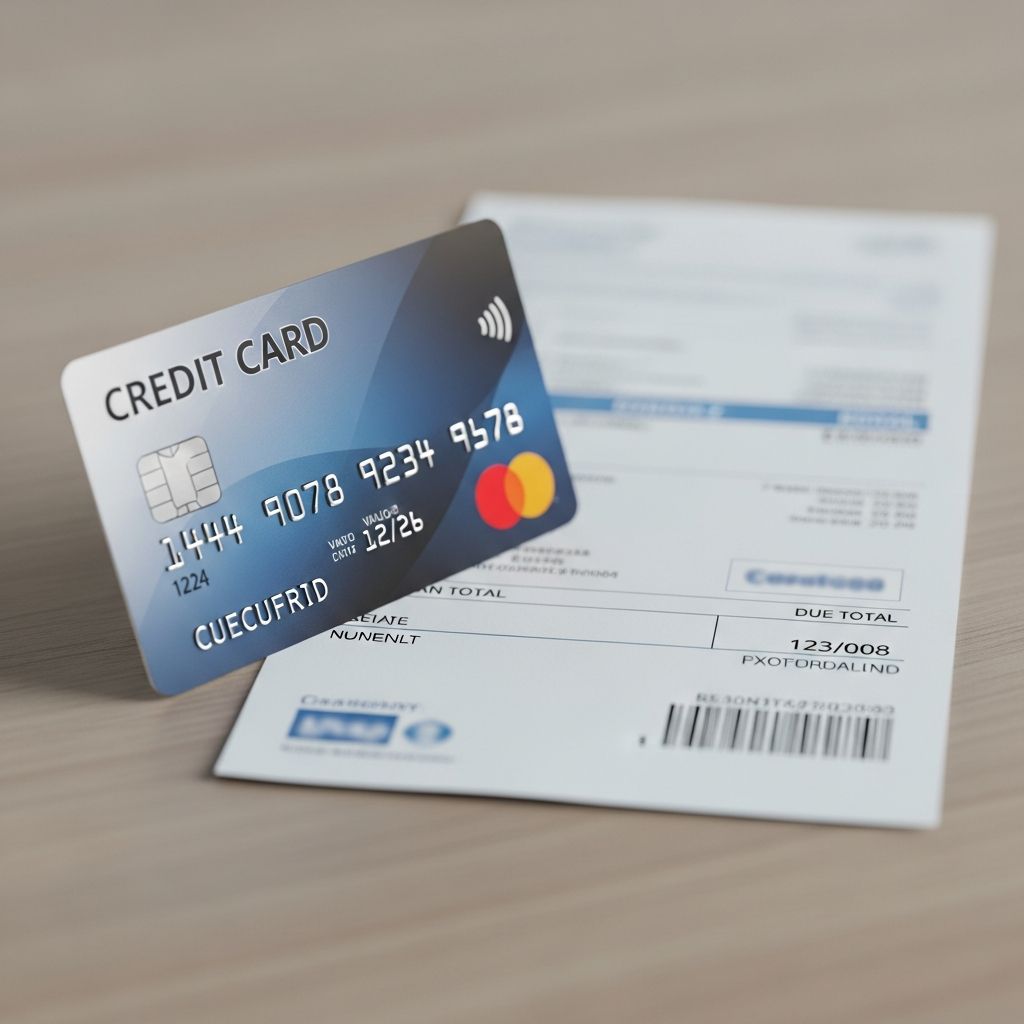
Many households wonder if charging utility bills to a credit card is a viable option. While it’s often possible to pay for services like electricity, gas, water, and internet this way, the decision hinges on factors such as rewards earned, associated fees, and your overall financial discipline. This comprehensive guide breaks down the mechanics, advantages, drawbacks, and best practices to help you decide if this strategy aligns with your budgeting goals.
Understanding Utility Payments via Credit Cards
Utility providers frequently accept credit cards for payments, covering essentials like power, water supply, heating fuel, telecommunications, and broadband services. However, acceptance varies by provider, and direct payments might incur processing surcharges. For instance, some companies process cards through third-party services that add a convenience fee, typically ranging from 1% to 3% of the bill amount. Before proceeding, always verify your provider’s policy online or via customer service to avoid surprises.
Not all bills qualify equally. Recurring subscriptions such as streaming services or gym memberships often go through seamlessly without extra costs, unlike larger obligations like rent or mortgages, which rarely accept cards directly due to high transaction volumes. Phone and cable bills tend to be more flexible, sometimes offering fee-free options to encourage digital payments.
Key Benefits of This Payment Method
Opting for credit cards can unlock several financial perks when handled responsibly. Here’s a closer look:
- Earning Rewards: Cards with cash back, points, or miles programs treat utility payments as standard purchases. A card offering 2% cash back on a $100 monthly electric bill could yield $24 annually in rewards. Flat-rate cards like those providing 1.5% on everything make this especially appealing for consistent bills.
- Streamlined Automation: Setting up autopay consolidates expenses into one statement, simplifying tracking and reducing the risk of late fees from forgotten due dates.
- Credit Building Potential: On-time full payments demonstrate reliability, positively influencing payment history—a major credit score factor. Keeping utilization low by paying off balances monthly further bolsters scores.
- Short-Term Flexibility: During cash flow crunches, this method covers essentials without service disruptions, buying time to realign finances.
- Enhanced Tracking: Detailed statements categorize spending, aiding budgeting apps and tax prep for deductible home office utilities.
Potential Downsides and Hidden Costs
Despite the upsides, pitfalls abound if not managed carefully. Consider these risks:
- Processing Fees: Providers may tack on 2-3% fees, eroding rewards. A $200 bill with a 2.5% fee costs $5 extra, potentially exceeding 1-2% cash back.
- Interest Accrual: Carrying balances triggers high APRs (often 15-25%), dwarfing any rewards. A $100 bill at 20% APR unpaid monthly balloons costs rapidly.
- Credit Utilization Spike: Bills inflate used credit ratios. Exceeding 30% utilization dings scores, especially on low-limit cards.
- Overspending Temptation: Easy swipes can blur necessities from extras, fostering debt cycles.
- Service-Specific Limits: Some utilities cap card payments or treat them as cash advances, incurring immediate fees and no rewards.
Comparing Payment Methods: A Side-by-Side Analysis
To evaluate objectively, review this table comparing credit cards against alternatives like debit or ACH transfers:
| Method | Pros | Cons | Best For |
|---|---|---|---|
| Credit Card | Rewards, autopay ease, credit building | Fees, interest risk, utilization impact | Reward maximizers with discipline |
| Debit/Checking | No fees, immediate funding | No rewards, overdraft risk | Fee-averse, low spenders |
| Third-Party Services (e.g., Plastiq) | Card rewards on non-accepting bills | High flat fees ($5+) | Rare large payments |
This comparison highlights credit cards’ edge for reward chasers, provided fees are minimal and balances cleared monthly.
Steps to Pay Utilities Smartly with Cards
Follow this roadmap to maximize gains while minimizing risks:
- Research Provider Policies: Log into your account portal or call to confirm card acceptance and fee structures.
- Select Optimal Card: Prioritize high-reward cards for utilities (e.g., 3% categories if applicable) and calculate net value post-fees.
- Automate Wisely: Link autopay to pay full statements, not minimums, via your card issuer’s site.
- Monitor Utilization: Keep total balances under 30% of limits; request increases if needed.
- Review Statements Monthly: Track charges, rewards, and fees to adjust as needed.
- Have a Backup: Maintain checking funds for non-card months or fee-heavy bills.
Real-World Scenarios: When It Pays Off
Consider a family with $300 monthly utilities on a 2% cash back card, no fees: They pocket $72 yearly. Contrast with a 2.5% fee scenario netting a $15 loss. For emergencies, paying a $150 overdue bill averts $50 late fees plus service cuts, repayable interest-free within grace periods. Businesses or home offices amplify value via deductible rewards.
High-utilization users or debt carriers should pivot to debit to sidestep compounding issues.
Frequently Asked Questions
Can all utility companies accept credit cards?
Most do, but municipal providers or small locales may restrict to checks/ACH. Always check.
Do rewards apply to utility payments?
Yes, as purchase, unless coded as cash advance.
Will this hurt my credit score?
Not if paid fully on time with low utilization; it can help.
Are there fee-free options?
Many private providers waive for online cards; compare.
What if I can’t pay the full balance?
Avoid this method—interest negates benefits.
Final Thoughts on Strategic Bill Paying
Paying utilities with credit cards suits disciplined users chasing rewards sans fees, offering convenience and credit perks. However, fees, debt risks, and utilization demand caution. Assess your habits: if full payoff is routine and net rewards positive, proceed. Otherwise, stick to direct debit for simplicity. Regularly audit finances to adapt, ensuring payments enhance—not hinder—your fiscal health.
References
- Can You Pay Utilities and other Bills With a Credit Card? — Citi. 2025-12-03. https://www.citi.com/credit-cards/understanding-credit-cards/pay-bills-with-a-credit-card
- Earning Cash Back when using a Credit Card for Utility Payments — Chase. N/A. https://www.chase.com/personal/credit-cards/education/basics/earning-cashback-on-utilities-with-credit-cards
- Should I Be Paying Bills With a Credit Card? — Credit Karma (Intuit). N/A. https://www.creditkarma.com/credit-cards/i/paying-bills-with-credit-card
- The Pros and Cons of Paying Bills with a Credit Card — Michigan First Credit Union. N/A. https://michiganfirst.com/Education/MoneyWise-Blog/Credit-and-Debt/The-Pros-and-Cons-of-Paying-Bills-with-a-Credi
- Pros and Cons to Paying Your Bills with a Credit Card — Alltru Credit Union. N/A. https://alltrucu.org/blog/pros-and-cons-to-paying-your-bills-with-a-credit-card/
- When Does it Make Sense to Pay a Bill with a Credit Card? — KPCU. N/A. https://kpcu.com/Resources/Educational-Articles/Banking-101/When-Does-it-Make-Sense-to-Pay-a-Bill-with-a-Credi
Similar Articles








Read full bio of medha deb