Pay-Per-Mile Insurance: Benefits and Drawbacks
Explore how pay-per-mile car insurance can slash costs for low-mileage drivers while weighing potential limitations for frequent travelers.
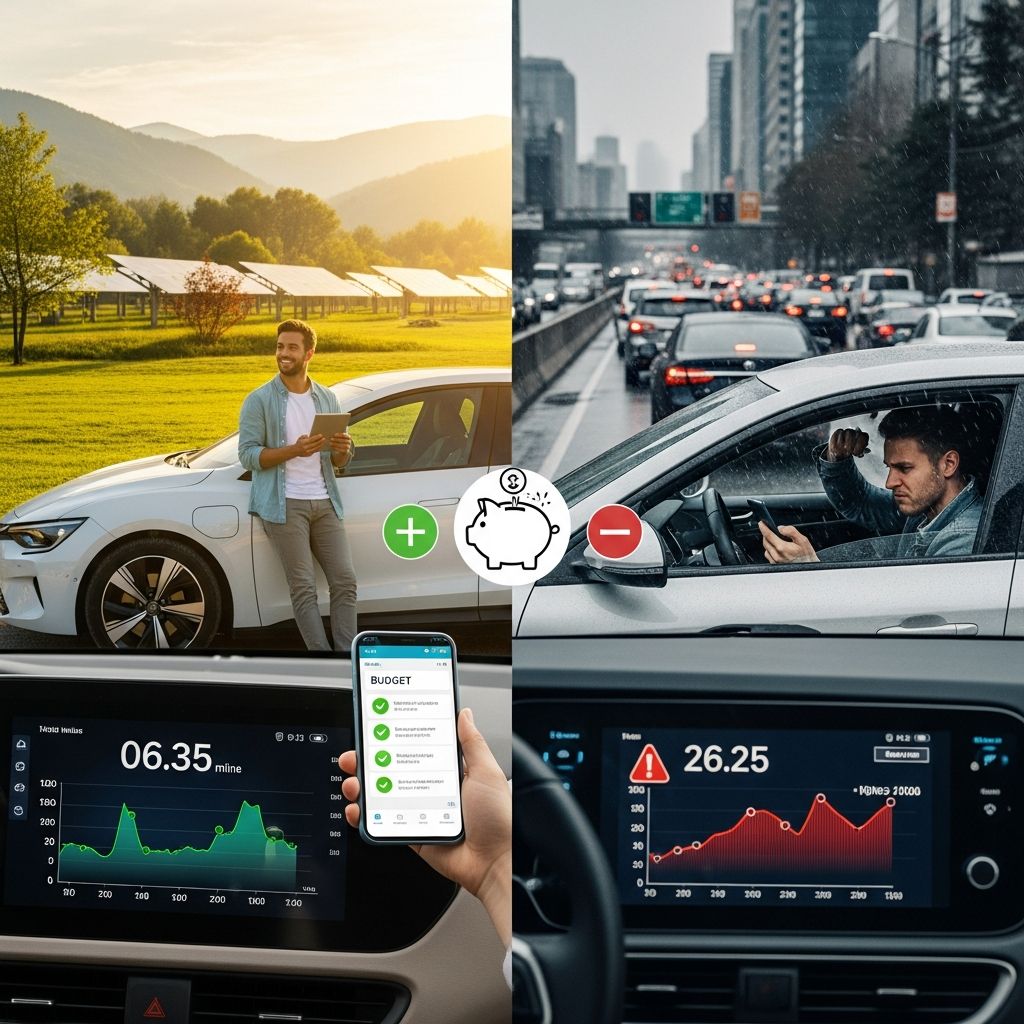
Pay-per-mile car insurance revolutionizes traditional auto coverage by tying premiums directly to the distance a driver travels, combining a fixed base fee with variable per-mile charges. This model promises significant savings for those who rarely hit the road but introduces unique considerations for monitoring and eligibility.
Understanding the Fundamentals of Usage-Based Auto Coverage
At its core, pay-per-mile insurance diverges from standard policies by calculating costs around actual vehicle usage. Drivers pay a consistent monthly or daily base rate that handles core coverage elements like liability and administrative expenses. Added to this is a per-mile fee, often just a few cents per mile, tracked through technology such as a plug-in device or mobile app.
This structure ensures comprehensive protection remains intact, including options for collision, comprehensive, and additional riders, mirroring conventional plans. The key innovation lies in billing variability: premiums fluctuate monthly based on logged miles, rewarding restraint on the road.
Financial Advantages for Infrequent Drivers
One of the standout benefits is cost reduction for low-mileage individuals. Average U.S. drivers log about 14,000 miles yearly, but many urban dwellers, retirees, or remote workers fall well below this. For them, pay-per-mile plans can cut expenses by up to 40% compared to fixed-premium alternatives.
Consider a hypothetical: a base rate of $30 monthly plus 5 cents per mile. Driving 400 miles yields $50 total ($30 + $20), far below traditional rates for similar profiles. Real-world examples affirm this; a California driver might pay $26 for zero miles versus $59 on standard plans for moderate use.
- Targeted Savings: Ideal for under 10,000 annual miles, per industry insights.
- Transparent Costs: Clear breakdown fosters better budgeting.
- Incentive for Efficiency: Encourages carpooling or public transit.
Technology and Tracking Mechanisms
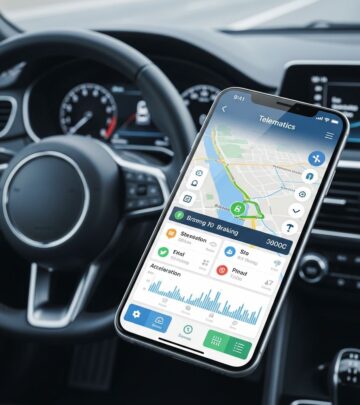
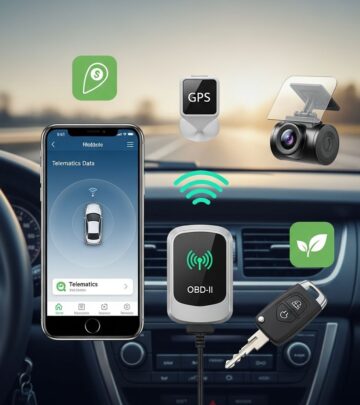
Implementation relies on telematics—devices plugged into the vehicle’s OBD-II port or app-based GPS—to monitor distance accurately. Some providers, like Allstate’s Milewise, require preloaded funds from which usage deducts automatically. Users often access dashboards showing real-time mileage, speed patterns, and braking data.
This tech not only verifies miles but can influence per-mile rates based on habits, though primarily distance drives pricing. Privacy-conscious drivers appreciate opt-in models, but data sharing is standard.
Ideal Candidates for This Insurance Model
Not everyone benefits equally. It’s tailored for:
- City residents using public transport or bikes for short trips.
- Seniors or students with limited driving needs.
- Second-car owners used sparingly.
- Work-from-home professionals avoiding commutes.
High-mileage commuters or road trippers may find costs aligning with or exceeding traditional policies, diminishing appeal.
Potential Limitations and Hidden Costs
While economical for some, drawbacks exist. High-mileage drivers face escalating bills; 1,200 monthly miles at 6 cents plus $29 base totals $101, matching averages without discounts.
Tracking devices can inconvenience, potentially voiding warranties or distracting via apps. Availability lags in rural areas or certain states, and base rates may exceed traditional for risky profiles (young males, sports cars).
| Aspect | Pay-Per-Mile | Traditional Insurance |
|---|---|---|
| Pricing Basis | Actual miles driven | Estimated annual mileage |
| Monthly Variability | Changes with usage | Fixed premium |
| Best For | Low-mileage (<10k/year) | All drivers, esp. high-mileage |
| Tracking Required | Yes (device/app) | No |
Real-World Cost Comparisons
Quotes illustrate disparities. A 30-year-old with a Honda Civic in California pays $31 traditionally (GEICO) but $26-$59 via pay-per-mile depending on miles. Another scenario: $34 base + 5¢/mile for 800 miles = $74, competitive for moderates but punitive for more.
Low-mileage discounts on standard plans (e.g., under 7,500 miles) offer alternatives, but lack pay-per-mile’s precision.
Steps to Switch to Pay-Per-Mile Coverage
- Assess Habits: Track a month’s miles to project savings.
- Compare Quotes: From providers like Metromile, Nationwide, or State Farm pilots.
- Install Tech: Follow setup for device/app.
- Monitor Bills: Review first statements for accuracy.
- Adjust Driving: Optimize for maximum value.
Regulatory Landscape and Availability
Offered in 40+ states, but exclusions apply (e.g., no commercial use). Regulations ensure data privacy, with opt-outs possible. Future expansion likely as urban trends favor less driving.
Frequently Asked Questions
What if I exceed expected miles?
Premiums rise accordingly, but no penalties beyond higher charges. Some cap rates.
Does it affect my driving record?
No direct impact; claims process same as traditional.
Can I remove the tracking device?
Temporarily yes, but miles won’t accrue, potentially raising base costs.
Is coverage identical?
Yes, all standard options available.
Best providers?
Metromile, Mile Auto, Nationwide’s SmartMiles; shop locally.
Strategic Tips for Maximizing Savings
To optimize:
- Combine with multi-policy discounts.
- Use for secondary vehicles.
- Plan trips efficiently.
- Review annually for switches.
Pay-per-mile insurance empowers control over costs, but suits lifestyles best. Evaluate personally before committing.
References
- How Does Pay Per Mile Car Insurance Work? — Global Guard Ins. 2023. https://globalguardins.com/how-does-pay-per-mile-car-insurance-work/
- Pay Per Mile Insurance: Everything You Need to Know — Car and Driver. 2023-10-01. https://www.caranddriver.com/car-insurance/a36367553/pay-per-mile-insurance/
- Pay Per Mile Car Insurance, Explained — Lemonade Insurance. 2024. https://www.lemonade.com/car/explained/pay-per-mile-car-insurance/
- Pay-Per-Mile Car Insurance: What You Should Know — NerdWallet. 2024-02-15. https://www.nerdwallet.com/insurance/auto/learn/pay-per-mile-car-insurance
- Pay-Per-Mile Car Insurance — Allstate. 2024. https://www.allstate.com/resources/car-insurance/pay-per-mile-car-insurance
Similar Articles








Read full bio of Sneha Tete