Pay Off Debt or Save: What’s More Important?
Discover whether to prioritize paying off debt or building savings for financial stability and long-term wealth.

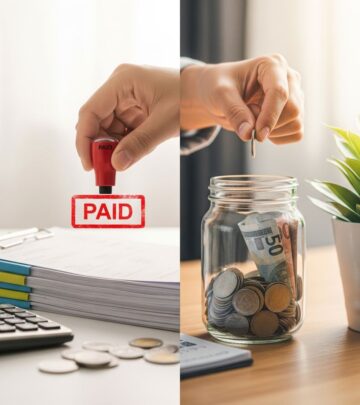
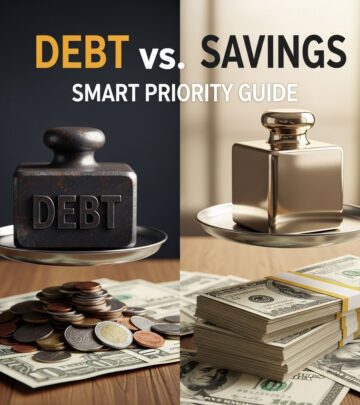
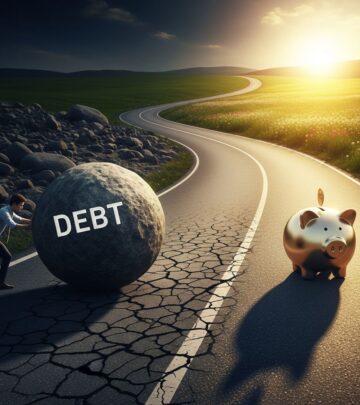
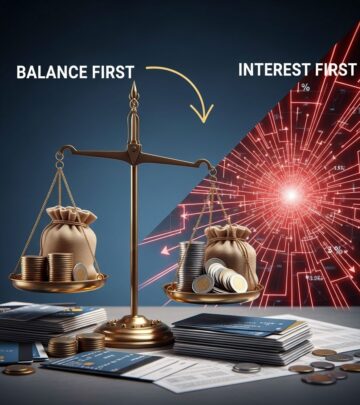
One of the most common dilemmas in personal finance is deciding whether to focus on paying off debt or building savings. The answer isn’t always straightforward, as it depends on factors like your debt interest rates, current savings level, and financial goals. High-interest debt can erode your wealth through compounding interest, while lacking an emergency fund can force you back into debt during unexpected events. This article breaks down the pros and cons, provides strategies like the debt snowball and avalanche methods, and offers practical tools to help you decide.
The Debt vs. Savings Dilemma
Paying off debt reduces your financial obligations and frees up monthly cash flow by eliminating interest payments. For instance, credit card debt often carries APRs exceeding 20%, far outpacing typical savings account yields of 4-5%. On the other hand, saving builds a safety net for emergencies—such as car repairs or medical bills—and allows your money to grow through compound interest. Without savings, you risk using high-interest credit to cover surprises, perpetuating a debt cycle.
Financial experts recommend a balanced approach: establish a small emergency fund first (e.g., $1,000), then aggressively tackle high-interest debt, and finally ramp up savings for retirement and other goals. This hybrid strategy minimizes risk while maximizing returns. According to Bankrate, 59% of Americans feel uncomfortable with their emergency savings, highlighting the urgency of building this cushion.
Benefits of Paying Off Debt First
Prioritizing debt repayment is crucial when interest rates are high. Each dollar paid toward principal avoids future interest, effectively giving you a guaranteed ‘return’ equal to the debt’s APR. For example, paying off a 24% APR credit card is like earning a 24% risk-free return on that money.
- Reduces total interest paid: Extra payments shorten the loan term and cut cumulative costs.
- Improves cash flow: Lower monthly payments post-payoff allow more allocation to savings.
- Boosts credit score: Reducing credit utilization and on-time payments enhance your score.
- Lowers stress: Eliminating debt provides psychological relief and financial freedom.
Use debt payoff calculators to simulate scenarios. Inputting a $10,000 balance at 18% APR with $300 monthly payments shows payoff in 3 years, saving over $2,000 in interest compared to minimum payments.
Benefits of Saving First
Savings provide liquidity and peace of mind. An emergency fund covering 3-6 months of expenses prevents reliance on debt during job loss or illness. Moreover, employer-matched 401(k) contributions offer ‘free money’—often 50-100% returns—that shouldn’t be delayed due to compound growth.
- Emergency protection: Covers unforeseen costs without new debt.
- Opportunity for growth: High-yield savings or investments can outpace low-interest debt like mortgages (under 5%).
- Retirement compounding: Starting early leverages time; delaying costs thousands in potential gains.
- Behavioral benefits: Seeing savings grow motivates financial discipline.
If your debt is low-interest (e.g., federal student loans at 5%), saving or investing may yield higher returns via stock market averages of 7-10% annually.
Key Factors to Consider
Your decision hinges on several variables:
| Factor | Prioritize Debt | Prioritize Savings |
|---|---|---|
| Interest Rate | >7-10% (credit cards) | <5% (mortgages) |
| Emergency Fund | Already established | Zero or insufficient |
| Debt Type | Unsecured/high-interest | Secured/low-interest |
| Income Stability | Steady job | Uncertain employment |
| Employer Match | No | Available (401(k)) |
High-interest debt (above expected investment returns) warrants priority payoff. Conversely, if debt is manageable and savings are nil, build a starter fund.
Debt Repayment Strategies
Once prioritizing debt, choose a method:
Debt Snowball Method
Pay minimums on all debts, then extra toward the smallest balance. Once cleared, roll payments to the next smallest. This builds momentum through quick wins, ideal for motivation despite potentially higher interest costs.
Debt Avalanche Method
Target highest-interest debt first while maintaining minimums elsewhere. This minimizes total interest, saving money mathematically, though progress may feel slower.
Example: Debts of $5,000@25%, $3,000@15%, $2,000@10% with $600 extra monthly. Avalanche pays off in 14 months, saving $800 vs. snowball’s 16 months.
Building Your Savings Plan
After a $1,000 starter fund, aim for 3-6 months’ expenses in a high-yield savings account (HYSA) at 4-5% APY. Automate transfers post-payoff.
- HYSA for emergencies.
- Retirement accounts (IRA/401(k)) for long-term growth.
- CDs or bonds for short-term goals if rates exceed debt.
Split extra cash 50/50 between debt and savings until high-interest debt is gone.
Sample Balanced Budget
Assume $4,000 monthly income, $2,500 expenses, $1,500 disposable:
| Category | Allocation | Amount |
|---|---|---|
| Emergency Savings | 20% | $300 |
| High-Interest Debt | 50% | $750 |
| Retirement | 20% | $300 |
| Fun/Buffer | 10% | $150 |
Adjust based on progress; review quarterly.
Tools and Calculators
Leverage free calculators:
- Debt Payoff Calculator: Estimates time/interest savings from extra payments.
- Savings vs. Debt Calculator: Compares net worth outcomes.
- Budget Planners: Track income/expenses.
Automation via direct deposit ensures consistency.
Frequently Asked Questions (FAQs)
Should I pay off debt or save for retirement first?
Build a small emergency fund first, then high-interest debt (>7%), but never skip employer matches—it’s free money.
What if my debt interest is low?
Prioritize savings/investing if rates < expected returns (e.g., stocks at 7-10%).
How much for an emergency fund?
$1,000 starter, then 3-6 months’ expenses.
Debt consolidation: Worth it?
Yes, if it lowers rates and simplifies payments.
Can I do both?
Absolutely—balance via budgeting for steady progress.
Conclusion: Create Your Plan
The optimal path is personalized: secure basics, eliminate costly debt, then supercharge savings. Consistency via automation and tracking yields results. Consult a financial advisor for tailored advice. Start today for a debt-free, savings-rich future.
References
- Should I Pay Off Debt or Save First? — Centier Bank. 2024-05-15. https://www.centier.com/resources/articles/article-details/should-i-pay-off-debt-or-save-first
- Pay off debt or save? Expert tips to help you choose — Bankrate. 2025-10-20. https://www.bankrate.com/banking/savings/these-guidelines-will-help-you-decide-whether-to-pay-down-debt-or-save/
- Pay Off Debt or Save: A Guide to Achieving Financial Balance — National Debt Relief. 2025-03-12. https://www.nationaldebtrelief.com/blog/financial-wellness/saving-and-investing/pay-off-debt-or-save-a-guide-to-achieving-financial-balance/
- Paying Off Debt vs Saving: Which is Better? — Huntington Bank. 2024-11-08. https://www.huntington.com/learn/saving/pay-off-debt-or-save
- Pay Off Debt or Save – What’s More Important? — MoneyRates. 2023-07-19. https://www.moneyrates.com/personal-finance/pay-off-debt-or-save.htm
Similar Articles








Read full bio of Sneha Tete