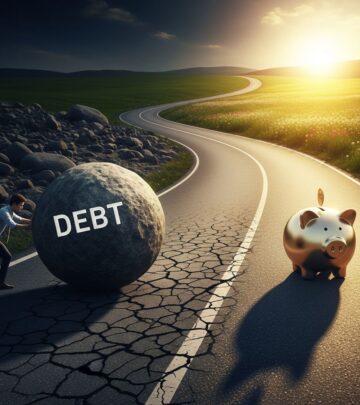
Pay Off Debt Or Save First: A Smart Plan To Balance Both
Learn how to balance saving money, paying off debt, and investing so you can build long-term financial security with confidence.

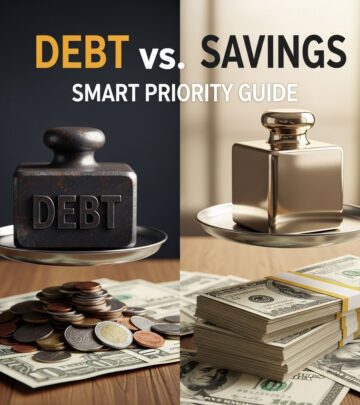
When you decide to get serious about your money, one of the first big questions that comes up is whether you should pay off debt or save money first. The truth is that there is no one-size-fits-all rule. Instead, the right approach depends on your interest rates, your income and expenses, your risk tolerance, and your long-term goals.
This guide walks you through how to think about the choice, how much to save, how to prioritize different types of debt, and how to balance all of this with investing so you can build real wealth over time.
Why the “Pay Off Debt Or Save” Question Matters
Focusing only on debt can leave you vulnerable if an emergency happens and you have no savings. On the other hand, only saving while ignoring high-interest debt can cost you thousands in interest over time. Understanding the trade-offs helps you create a plan that protects you today and sets you up for a stronger financial future.
Your decision will influence:
- How quickly you become debt-free
- How prepared you are for unexpected expenses
- How soon you can start investing and benefiting from compound growth
- Your overall financial stress and peace of mind
Step 1: Get Clear on Your Financial Picture
Before deciding whether to save or pay off debt, you need a clear view of your current finances. That includes your income, spending, debts, and existing savings.
Create or Update Your Budget
A realistic budget helps you know how much you can consistently put toward saving and debt repayment. Many experts recommend tracking your expenses for at least a month to understand where your money goes and where you can cut back if needed.
- List all sources of income (after tax).
- Write down all fixed expenses, such as rent or mortgage, utilities, insurance, and minimum debt payments.
- Estimate variable expenses like groceries, transportation, and discretionary spending.
- Identify areas you can reduce (subscriptions, dining out, impulse shopping) to free up cash for savings and debt.
List All Your Debts
Next, write down every debt you have, including:
- Credit cards
- Personal loans
- Auto loans
- Student loans
- Buy now, pay later balances or store financing
For each debt, record:
- Current balance
- Interest rate (APR)
- Minimum monthly payment
- Due date
Having everything in one place allows you to see which debts are most expensive and how much cash flow is tied up in minimum payments.
Check Your Current Savings
Then, list your savings balances:
- Checking accounts
- Savings accounts (especially those earmarked as emergency funds)
- Cash reserves (not retirement or investment accounts)
This tells you how long you could cover essential expenses if your income stopped or an emergency came up.
Step 2: Build a Starter Emergency Fund
Even if you are very motivated to pay off debt quickly, having zero savings is risky. A medical bill, car repair, or job disruption could push you further into debt. That is why many financial educators suggest building a small emergency fund before aggressively tackling high-interest debt.
How Much Should You Save First?
A common guideline is to build an initial emergency fund of about $1,000 to $1,500 as quickly as possible. This amount is not meant to cover every possible emergency, but it can help you avoid turning to credit cards for smaller unexpected expenses.
To reach this starter fund, you can:
- Pause extra debt payments and only make minimums temporarily.
- Cut back on non-essential spending.
- Sell unused items or take on short-term side income if possible.
Where to Keep Your Emergency Fund
Most experts recommend keeping emergency savings in a liquid, low-risk account, such as a high-yield savings account, rather than in investments that can fluctuate in value. This allows you to access cash quickly without the risk of having to sell investments at a loss.
Step 3: Understand Good vs. Bad Debt
Not all debt is equal. Some debt can support long-term goals, while other types can hold you back and cost a lot in interest. Understanding the difference can help you prioritize.
| Type of Debt | Typical Interest Rate | Generally Considered | Examples |
|---|---|---|---|
| High-interest consumer debt | 15%–30%+ | Bad debt | Credit cards, payday loans, store cards |
| Moderate-rate installment debt | 4%–12% | Mixed | Auto loans, personal loans |
| Lower-interest “productive” debt | 3%–7% (varies) | Potentially “good” debt | Student loans, some mortgages |
Debt used to pay for an asset that may appreciate or increase your earning potential (e.g., education or housing) is sometimes called good debt, while debt used for consumption that depreciates (e.g., credit card spending on non-essentials) is generally considered bad debt. Even so, all debt comes with risk and should be managed carefully.
Step 4: Decide How to Prioritize Saving vs. Debt
Once you have a basic emergency fund and a clear picture of your debts, you can decide where each extra dollar should go. In many cases, the best approach is a combination: continue saving modestly while aggressively paying down the highest-cost debt.
When to Focus on Paying Off Debt First
It often makes sense to prioritize debt repayment when:
- You have high-interest credit card or personal loan debt (for example, 15%–20% or higher).
- You already have at least a small emergency fund in place.
- You can reduce overall interest costs significantly by paying debt down faster than you could earn in a safe savings account.
Historically, long-term stock market returns have averaged around 7%–10% before inflation, but this comes with substantial risk and volatility. High-interest debt at 18% or more is very difficult to “out-invest,” which is why aggressively paying it off is typically recommended.
When to Focus More on Saving
It may be better to prioritize saving when:
- You have little to no emergency savings.
- Your debts carry relatively low interest rates, such as some federal student loans or certain mortgages.
- You are facing life changes (e.g., expecting a child, potential job changes) that increase the value of having more cash on hand.
In these situations, building your emergency fund to three to six months of essential expenses can provide a stronger safety net.
Debt Repayment Strategies: Snowball vs. Avalanche
After covering minimum payments on all debts and setting up your starter emergency fund, the next step is choosing a strategy for paying down the rest. Two popular methods are the debt snowball and the debt avalanche.
Debt Snowball Method
With the debt snowball, you:
- List your debts from the smallest balance to the largest, regardless of interest rate.
- Pay the minimum on every debt except the smallest.
- Put every extra dollar you can toward the smallest debt until it is paid off.
- Once the smallest is gone, roll its payment into the next smallest, and repeat.
This method focuses on quick wins and psychological momentum. Paying off smaller balances fast can be very motivating, helping many people stick with their plan.
Debt Avalanche Method
With the debt avalanche, you:
- List your debts from the highest interest rate to the lowest.
- Pay the minimum on all debts except the one with the highest rate.
- Put all extra money toward the highest-interest debt first.
- Once that is paid off, move on to the next highest rate, and continue.
This method saves the most money in interest over time because you tackle the most expensive debt first. For many people, that means paying off credit cards before lower-rate loans.
Which Method Is Best?
Both strategies work if you stick with them. If you are highly motivated by seeing quick progress, the snowball might be more sustainable. If you are focused on math and minimizing total interest costs, the avalanche method aligns better with those goals.
Step 5: How Investing Fits Into the Picture
Once you have a basic emergency fund and a clear debt plan, the next question is whether you should invest while paying off debt or wait until all your balances are gone.
Take Advantage of Employer Retirement Matches
If your employer offers a matching contribution in a retirement plan such as a 401(k), it is often wise to contribute enough to get the full match, even if you still have debt. Employer matches are essentially an immediate, risk-free return on your contributions, which can be hard to beat.
Balancing Retirement Investing and Debt Repayment
Many people choose a balanced approach:
- Maintain a small emergency fund.
- Contribute enough to retirement accounts to capture any employer match.
- Use remaining extra funds to aggressively pay down high-interest debt.
Once high-interest balances are paid off, you can direct the freed-up cash flow toward increasing retirement contributions and building additional savings.
Step 6: Put Your Plan Together
After you have considered your emergency fund, debt types, and investing priorities, build a clear plan so you know exactly what to do with each paycheck.
Sample Plan for Someone With High-Interest Debt
- Cover all basic living expenses.
- Make minimum payments on every debt.
- Redirect extra money to build a $1,000–$1,500 emergency fund.
- Once the starter fund is built, contribute enough to retirement to get any employer match.
- Use the debt avalanche or snowball method to pay off high-interest credit cards and personal loans.
- After high-interest debts are gone, grow your emergency fund to three to six months of expenses and then increase investing.
Sample Plan for Someone With Low-Interest Debt
- Cover all essential expenses.
- Make minimum payments on low-interest student loans or mortgage.
- Build an emergency fund of three months of expenses, then continue growing it toward six months if your situation is less stable.
- Invest consistently in retirement accounts, especially if you have access to tax-advantaged plans or employer matches.
- Pay extra toward debt if and when your cash flow allows, especially as you get closer to other goals such as homeownership or starting a business.
Practical Tips to Free Up Cash for Both Saving and Debt
Whether you focus more on saving or paying down debt, you will make faster progress if you can free up extra money in your budget.
- Automate payments and transfers: Set automatic transfers to savings and automatic extra payments to your highest-priority debt right after payday.
- Reduce big recurring costs: Renegotiate bills such as insurance, cell phone, or internet, or consider more affordable housing or transportation options if feasible.
- Limit high-cost habits: Cut back on frequent dining out, delivery, and impulse shopping.
- Boost income: Look for overtime, freelance work, side hustles, or selling unused items to generate extra cash.
- Use windfalls wisely: Apply bonuses, tax refunds, or gift money toward your savings or top-priority debt instead of spending it all.
Frequently Asked Questions (FAQs)
Q: Should I ever pause saving completely to pay off debt?
In most cases, it is wise to keep at least a small emergency fund while paying off debt so you do not need to rely on credit cards for unexpected costs. After you have a starter fund, you can temporarily pause additional savings to aggressively pay down very high-interest debt, then resume saving once those balances are lower.
Q: How much emergency savings do I really need?
A starter goal is around $1,000–$1,500. Over time, many experts recommend building to three to six months of essential expenses, depending on your job stability, health, and other risk factors.
Q: Should I invest if I have credit card debt?
It can still make sense to invest enough to capture an employer retirement match, but beyond that, many people focus extra money on paying off high-interest credit card debt first because it is difficult to earn a higher return with low-risk investments.
Q: Is it better to pay off my student loans or invest?
If your student loans have relatively low interest rates and you have an adequate emergency fund, it often makes sense to invest for retirement while making regular loan payments. However, if your loan rates are high or you are uncomfortable with the debt, you may prioritize extra payments while still contributing at least modestly to retirement.
Q: What if I feel overwhelmed and don’t know where to start?
Start small and focus on one step at a time: create a simple budget, build a basic emergency fund, then choose either the snowball or avalanche method for your debts. Progress, even in small amounts, builds momentum and confidence.
References
- 8 Debt Payoff Methods You Should Know — Quick and Dirty Tips (Laura Adams). 2023-02-15. https://www.quickanddirtytips.com/articles/8-debt-payoff-methods-you-should-know/
- Emergency Savings — Consumer Financial Protection Bureau (CFPB). 2022-09-12. https://www.consumerfinance.gov/consumer-tools/educator-tools/students/you-can-build-emergency-savings/
- Historical Returns of the Stock Market — Federal Reserve Bank of St. Louis (FRED). 2022-06-30. https://fred.stlouisfed.org/series/SP500
- Federal Student Loans Overview — U.S. Department of Education. 2023-08-01. https://studentaid.gov/understand-aid/types/loans
- Plan for a Secure Retirement — U.S. Department of Labor. 2022-11-01. https://www.dol.gov/sites/dolgov/files/ebsa/about-ebsa/our-activities/resource-center/publications/savings-fitness.pdf
Similar Articles








Read full bio of medha deb