Parts of a Check: Complete Guide to Check Components
Master every element of a check with our comprehensive guide to check components and their functions.
Understanding the Parts of a Check: A Complete Guide
Checks remain an important financial tool in today’s banking system, even as digital payments continue to grow. Whether you’re writing a check for rent, utilities, or other payments, understanding the various components of a check is essential for ensuring your funds are transferred correctly and securely. Each element on a check serves a specific purpose in facilitating the transaction and protecting both the payer and payee. This comprehensive guide will walk you through every part of a check and explain its function.
Your Personal Information
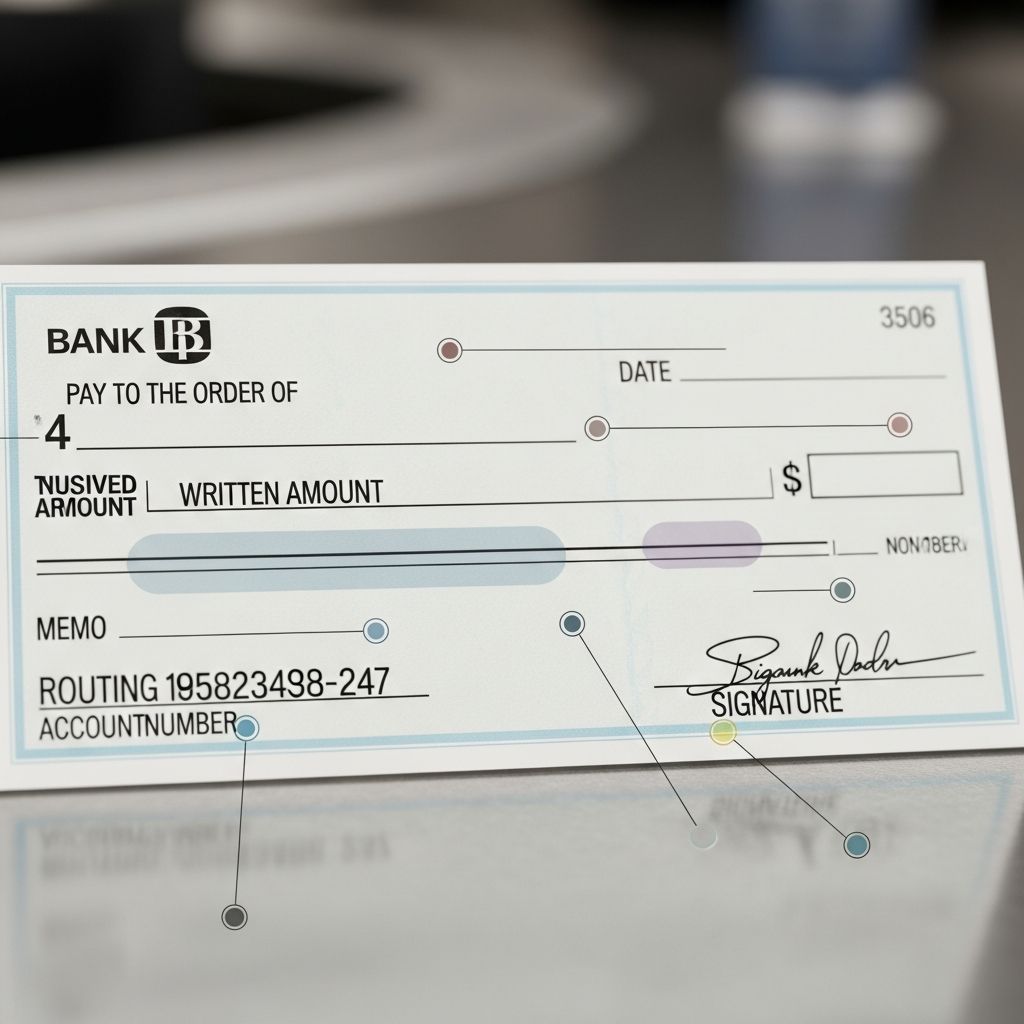
Located in the upper left corner of your check, you’ll find your personal information. This section displays the name and address you’ve registered with your bank. This information identifies you as the account holder and the person responsible for the payment. Banks pre-print this information on your checks during the printing process, making it easy for recipients to identify who issued the check. If you’ve recently moved or changed your name, you may need to order new checks with updated information to avoid confusion.
Check Number
The check number appears in two locations on your check: in the upper right corner and again in the lower right corner. This unique numerical identifier is assigned sequentially to each check in your checkbook. Check numbers serve multiple purposes—they help you keep track of which checks you’ve written, provide an additional layer of account security, and appear as line items in your bank statement. When recording transactions in your check register or accounting software, always note the check number alongside the transaction amount and date. If your checkbook is ever lost or stolen, you can report the specific check numbers to your bank, allowing them to identify and block any fraudulent withdrawals.
The Date Field
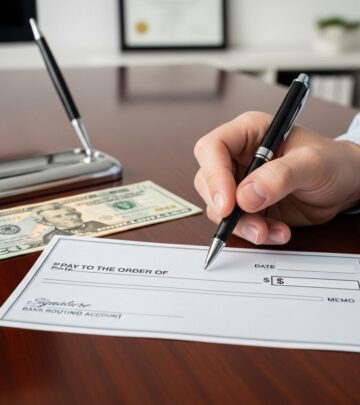
In the upper right area of the check, next to the check number, you’ll find an empty date field. This is where you write the date on which you’re issuing the check. The date is crucial for several reasons: it establishes when the check was written, affects when the check can be cashed, and helps with record-keeping and reconciliation. Always write the date in the correct format, typically MM/DD/YYYY. A check is generally valid for six months from the date written, though some banks may honor checks beyond this timeframe. Never post-date a check (write a future date) unless you have a specific reason to do so, as this can lead to complications if the check is deposited or cashed before the intended date.
Pay to the Order of Line
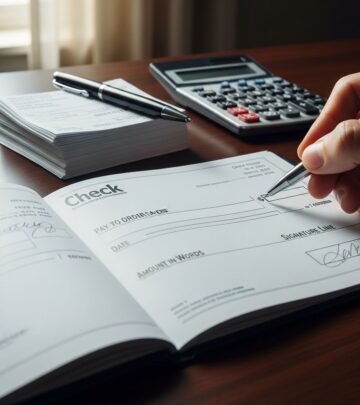
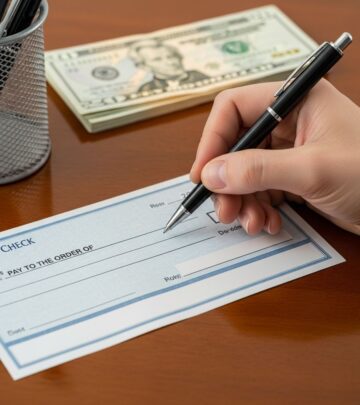
The long line in the middle of your check, preceded by the words “Pay to the order of,” is where you write the name of the recipient. The recipient can be either an individual person or an organization, such as a business, utility company, or government agency. It’s important to write the payee’s name clearly and accurately. If you write the check to “Cash,” anyone can cash the check, which means you have no control over who receives your funds. While this might seem convenient when you don’t know a specific payee’s name, it significantly increases your risk and removes accountability. Always specify a particular recipient’s name whenever possible to maintain better control over your payment and reduce the risk of fraud or unauthorized cashing.
The Payment Amount in Numbers
To the right of the payee line, you’ll notice a small box with a dollar sign. This is where you write the payment amount in numerical form. Include both dollars and cents in this box. For example, if you’re paying $125.50, you would write “$125.50” in the box. This numerical amount should match exactly with the written-out amount on the line below. The numerical amount is easy for machines and people to read quickly, making it the primary reference point for the payment value. Always ensure the numbers are clear and legible to avoid misinterpretation.
The Payment Amount in Words
Below the payee line, there’s a long line where you must write out the dollar amount in words. This written-out amount serves as a verification method and helps prevent fraud or accidental errors. For example, if your check amount is $105.00, you would write “One hundred five dollars only” on this line. For amounts that include cents, you can write the cents as a fraction over 100. For instance, $225.75 would be written as “Two hundred twenty-five dollars and 75/100.” If there’s ever a discrepancy between the numerical amount and the written-out amount, the bank will typically honor the written amount. This is why it’s critical to ensure both amounts match before issuing the check. Taking time to carefully write out the amount can prevent costly mistakes or disputes.
The Memo Line
Located in the lower left portion of the check, the memo line is an optional but useful field. This line allows you to write a note regarding the purpose of the check or include additional information. For example, you might write “Rent for November” or “Invoice #12345” on the memo line. The memo can serve as a helpful reminder of what the check was for, whether you’re reviewing a carbon copy of the check or viewing the image in your online banking portal later. While not required, including a memo can significantly improve your record-keeping and make it easier to reconcile payments or match checks to the applicable account or invoice number. This is particularly useful for business payments or when paying multiple creditors regularly.
The Signature Line
In the lower right corner of the check, you’ll find the signature line. This is where you must sign the check to authorize the payment. Your signature serves as legal authorization for the bank to process the check and withdraw funds from your account. The signature must match the name registered on the checking account, as this is how the bank verifies your identity and ensures the check is legitimate. Without your signature, the check cannot be processed. Never sign a blank check, as this creates a significant security risk. Always sign the check only after you’ve filled in all other required information to ensure accuracy.
The Routing Number
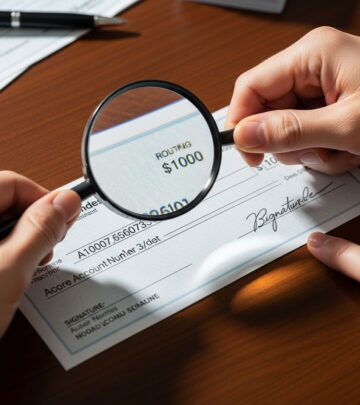
At the bottom of your check, you’ll find a series of machine-printed numbers known as the MICR line (Magnetic Ink Character Recognition). The first nine digits on the left are your bank’s routing number, a unique code that identifies the specific financial institution where your account is held. This routing number is essential for processing the check correctly. When someone deposits or cashes your check, the receiving bank uses the routing number to request funds from your bank. You’ll also need your routing number when setting up electronic transactions such as online bill payments, direct deposits, or electronic fund transfers. Understanding your routing number and keeping it secure is important for protecting your account.
The Account Number
Located to the right of the routing number on the MICR line is your checking account number. This series of numbers is a unique identifier for your specific account. When someone writes or processes a check from your account, the bank uses the account number to withdraw funds from your account and deposit them into the payee’s account. Your account number is also required when setting up electronic transactions or authorizing automatic payments. Some checks may have additional numbers before or after the account number, which may be part of the bank’s internal processing system or identify a specific branch location. Keep your account number confidential to protect your account from unauthorized access.
The Fractional Number
Some checks display a fractional number, typically located in the upper right area of the check. This number looks like a complex fraction and is primarily used as a backup identifier for the bank that issued the check. The fractional number is especially useful when the MICR line at the bottom of the check is damaged or illegible. Banks use this information to determine the original financial institution issuing the check, ensuring that funds are routed to the correct location even if the primary identification method is compromised. While not all checks display a fractional number, understanding its purpose can help you recognize all the security and identification features on your checks.
The Endorsement Line
On the back of the check, you’ll find the endorsement line. This is where the recipient of the check signs to verify they are the proper recipient and authorize the bank to process the check. The recipient must sign on this line exactly as their name appears on the payee line of the check. This signature verification ensures that the correct person is receiving the funds and helps prevent fraud. Recipients should avoid writing anything below the endorsement line, as this can lead to complications with check processing or cashing. The endorsement line is a critical security feature that completes the check verification process.
Security Features
Modern checks include several security features designed to prevent fraud and counterfeiting. These features may include microprinting, special inks, watermarks, and security threads. Some checks feature microprinting on the endorsement line that displays repeated text when viewed under magnification. These security measures make it more difficult for counterfeiters to produce fraudulent checks. Understanding that your checks include these protective features can help you recognize legitimate checks and be alert to potential counterfeit checks you might receive. Banks continually update security features to stay ahead of sophisticated fraud schemes.
Duplicate Checks
Many individuals and businesses prefer using duplicate checks, also called 2-part checks. With this check style, a plain piece of paper beneath each check records exactly what you write on the check above it using a carbonless copying process. The duplicate provides a clear, clean record of the transaction without any smudging. Many people find it more convenient to refer to the duplicate for recordkeeping rather than remembering to use the check register each time they write a check. This carbonless system ensures that you have an immediate backup copy of every check written, making it easier to track your spending and maintain accurate records.
Frequently Asked Questions About Check Components
Q: What should I do if I make a mistake while writing a check?
A: If you make a significant error while writing a check, it’s best to void that check and write a new one. Write “VOID” across the front of the incorrect check and keep it with your records. Never attempt to cross out or erase information on a check, as this can raise fraud concerns and may result in the check being rejected.
Q: How long is a check valid?
A: A check is generally valid for six months from the date written. However, some banks may honor checks beyond this timeframe. It’s best to cash or deposit checks promptly to avoid any issues.
Q: Can I post-date a check?
A: While it’s technically possible to write a future date on a check, it’s not recommended. Post-dated checks can create complications if deposited or cashed before the intended date. Communicate directly with your payee if you need to delay payment rather than relying on post-dating.
Q: What if the numerical amount and written amount don’t match?
A: If there’s a discrepancy between the numerical amount and the written-out amount, the bank will typically honor the written amount. To avoid confusion or disputes, always ensure both amounts match before issuing the check.
Q: Is the memo line required?
A: No, the memo line is optional. However, including a memo can help with record-keeping and reconciliation, making it easier to remember what the check was for later.
Q: What information should I keep from my checks?
A: Keep records of the check number, date, payee name, and amount for every check you write. This information is essential for reconciling your account and tracking your spending. If you have a carbon copy or duplicate, keep those with your financial records for at least one year.
Q: Can I write a check to multiple people?
A: Yes, you can write a check to multiple people. If you use the word “and” between the names, both parties must endorse the check. If you use the word “or,” then only one of the parties will need to endorse it. Be clear about your intention to avoid complications.
Best Practices When Writing Checks
To ensure your checks are processed correctly and securely, follow these best practices: always use a pen with permanent ink rather than pencil; write clearly and legibly in all fields; ensure the date, payee name, and both monetary amounts match; sign the check only after completing all other information; keep your checkbook in a secure location; and maintain records of all checks written. Additionally, never sign blank checks or leave checks unattended. Review your bank statements regularly to verify that all checks have been processed correctly and watch for any unauthorized checks.
References
- How to Write a Check: A Guide — Chase Bank. 2024. https://www.chase.com/personal/banking/education/basics/how-to-write-a-check
- How to Read a Check — PNC Insights. 2024. https://www.pnc.com/insights/personal-finance/spend/how-to-read-a-check.html
- Breaking Down the Parts of a Check — Lake Forest Bank & Trust. 2023-03. https://www.lakeforestbank.com/articles/2023/03/breaking-down-the-parts-of-a-check.html
- Understanding the Parts of a Check — NerdWallet. 2024. https://www.nerdwallet.com/banking/learn/understanding-the-parts-of-a-check
- Understanding the Components of a Check — TechChecks. 2024. https://www.techchecks.net/resources/understanding-components-of-check
- U.S. Treasury Check Security Features — U.S. Department of the Treasury. 2024. https://fiscal.treasury.gov/files/reference-guidance/gold-book/check-security-poster.pdf
Similar Articles








Read full bio of Sneha Tete