Parting Out Your Car: Complete Guide To Maximize Returns
Unlock maximum value from your old vehicle by selling components individually with this step-by-step strategy for success.
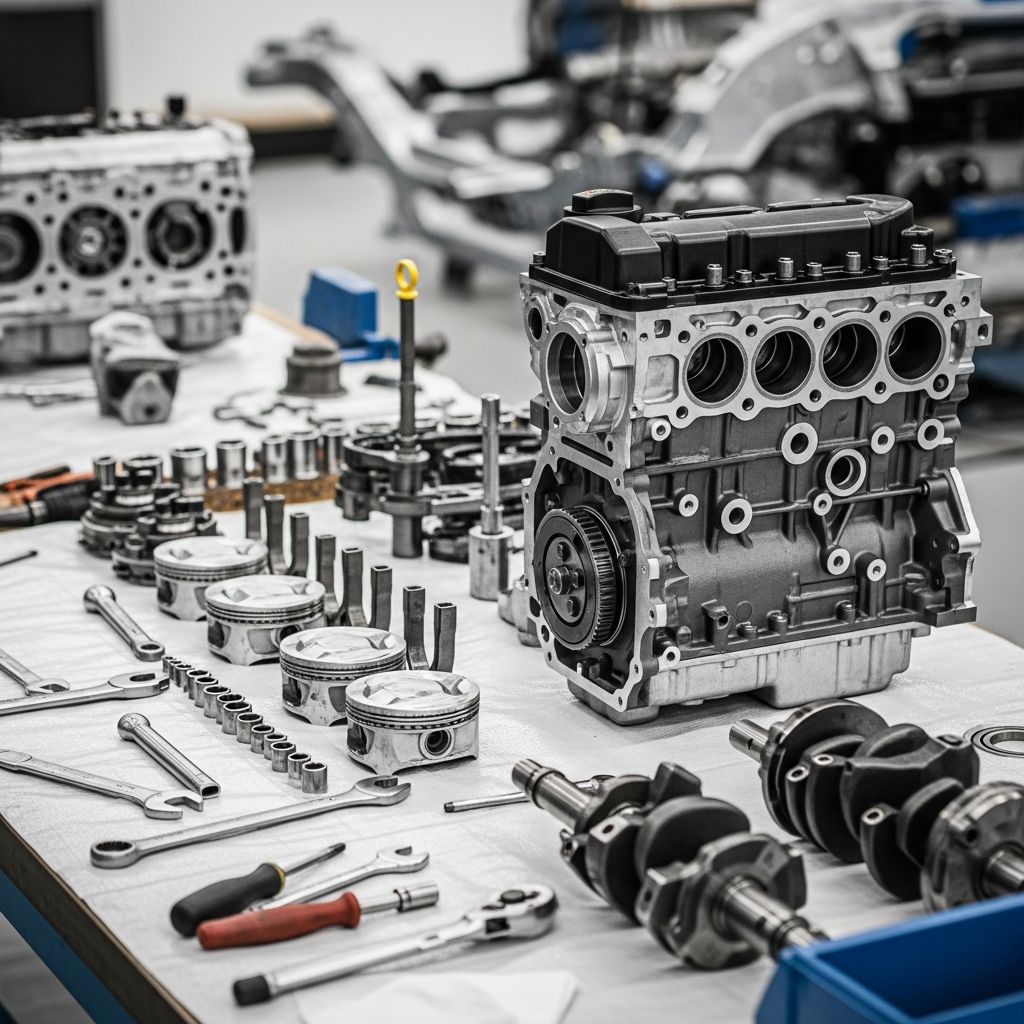
When your vehicle reaches the end of its road, selling it whole might not yield the best return. Breaking it down into individual components can often generate more revenue, especially if certain parts remain in demand. This comprehensive guide explores the process of parting out a car, from initial evaluation to final sale, helping you decide if this approach suits your situation.
Understanding When to Part Out a Vehicle
Not every car is a candidate for parting out. Typically, this method works best for older models with high-mileage engines or those damaged in accidents where specific assemblies like transmissions or body panels hold value. High-demand parts from popular makes, such as engines from Honda Civics or Ford F-150 truck beds, often fetch premium prices on secondary markets.
Consider parting out if repair costs exceed the vehicle’s wholesale value. For instance, a car needing $3,000 in fixes but valued at $2,000 whole might yield $4,000+ in parts sales after deducting labor. However, this requires time, tools, and mechanical knowledge. Beginners should weigh the effort against quicker options like junkyards, which pay $200-$500 for scrap.
Assessing Your Car’s Part-Out Potential
Start with a thorough inspection to catalog valuable components. Focus on engines, transmissions, doors, fenders, wheels, interiors, and electronics. Use a mechanic’s expertise if needed to gauge condition—parts must be functional or restorable to sell well.
- High-value items: Transmissions ($500-$2,000), alternators ($100-$300), catalytic converters ($200-$1,000 depending on metals).
- Medium-value: Doors ($150-$400), headlights ($50-$200), seats ($100-$500).
- Low-value but quick-sale: Batteries ($20-$100), mirrors ($20-$80), trim pieces ($10-$50).
Research market prices on platforms like eBay or salvage yard sites. Create a spreadsheet tracking part, condition, comparable sales, and estimated price. Aim for 70-80% of listed values to stay competitive.
Tools and Preparation for Dismantling
Safe disassembly demands proper equipment. Essential tools include socket sets, wrenches, jacks, stands, torque wrenches, and protective gear like gloves and goggles.
| Tool Category | Examples | Purpose |
|---|---|---|
| Basic Hand Tools | Sockets, ratchets, pliers | Removing bolts and fasteners |
| Lifting Equipment | Engine hoist, floor jack | Safely extracting heavy assemblies |
| Cleaning Supplies | Degreaser, wire brushes, compressed air | Preparing parts for photography and sale |
| Safety Gear | Gloves, eye protection, respirators | Preventing injuries and exposure |
Work in a ventilated area, disconnect the battery first, and label parts with their origin vehicle details. Drain fluids like oil and coolant to comply with environmental regs.
Legal and Insurance Considerations
Before dismantling, notify your insurer—parting out may void coverage or require a policy change. Check state DMV rules: some require a salvage title for vehicles under certain damage thresholds. You’ll need the title to sell the car or parts legally; duplicates cost $20-$50 via DMV.
Document everything: photos of the VIN, title transfer if selling whole initially, and receipts. Sales tax may apply to parts over $500 in some states. Avoid selling emissions-controlled parts without certification to prevent fines.
Marketing and Selling Your Parts
High-quality listings drive sales. Clean parts meticulously, take clear photos from multiple angles, and write detailed descriptions including make/model/year, condition, mileage, and compatibility.
- Online Marketplaces: eBay for national reach (fees 10-15%), Facebook Marketplace/Craigslist for local (free but scam-prone).
- Specialty Sites: Car-Part.com, LKQOnline for auto-specific buyers.
- Forums/Clubs: Model-specific groups like Mustang forums for enthusiasts.
Price competitively: monitor ‘sold’ listings and undercut by 10-20%. Offer shipping for small items (calculate USPS/UPS rates); local pickup for bulky ones. Use secure payments like PayPal Goods & Services.
Handling Logistics and Customer Service
Respond promptly to inquiries—buyers want condition assurances. Package securely: bubble wrap electronics, palletize engines. Track shipments and provide updates.
For heavy items, partner with freight services like uShip. Expect 1-4 weeks per sale; batch listings to streamline. Track expenses: shipping ($20-$200/part), fees (12%), tools ($500 initial).
Financial Breakdown: Is It Worth It?
Profit varies by vehicle. A 2005 Toyota Camry might net $1,500-$3,000 in parts vs. $400 to a yard. Deduct 20-30% for time/fees.
| Scenario | Gross Revenue | Costs | Net Profit |
|---|---|---|---|
| Sell Whole to Junkyard | $400 | $0 | $400 |
| Part Out Mid-Size Sedan | $2,500 | $800 | $1,700 |
| Part Out Truck (High-Demand) | $5,000 | $1,500 | $3,500 |
Break-even requires selling 60-70% of inventoried parts. Skilled partiers recover costs quickly.
Common Pitfalls and How to Avoid Them
- Overestimating Value: Cross-check multiple sources; start low.
- Storage Issues: Sell high-turnover parts first to free space.
- Scams: Verify buyers, use escrow for big-ticket items.
- Environmental Hazards: Dispose of fluids properly via recycling centers.
Alternatives to Full Part-Out
If effort seems daunting, consider hybrids: sell premium parts yourself, scrap the rest. Online buyers like Peddle offer instant quotes with free towing. Donate for tax deductions if value exceeds $500 (appraised).
Frequently Asked Questions
Do I need a license to sell car parts?
No, private sales don’t require one, but commercial volumes may. Check local ordinances.
How long does parting out take?
2-6 months for full teardown, depending on part count and sales speed.
Can I sell parts from a financed car?
No, lienholder owns it. Pay off first or get permission.
What if parts don’t sell?
Scrap remaining metal ($0.20/lb steel) or donate.
Are there tax implications?
Profits over $600/year may require 1099 reporting. Consult a tax pro.
References
- How to Sell Your Car for Parts — J.D. Power. 2023. https://www.jdpower.com/cars/shopping-guides/how-to-sell-your-car-for-parts
- How to Sell a Junk Car — NerdWallet. 2024-02-01. https://www.nerdwallet.com/auto-loans/learn/how-to-sell-a-junk-car
- How to Sell a Junk Car Easily — CARFAX. 2024. https://www.carfax.com/selling/how-to-sell-junk-car
- How to Sell a Car For Parts — Chase. 2023. https://www.chase.com/personal/auto/education/selling/how-to-sell-a-car-for-parts
Similar Articles








Read full bio of medha deb