Partial Payments on Debt: Credit Risks Explained
Discover how partial payments impact your debt reduction and credit score, plus strategies to avoid long-term financial pitfalls.
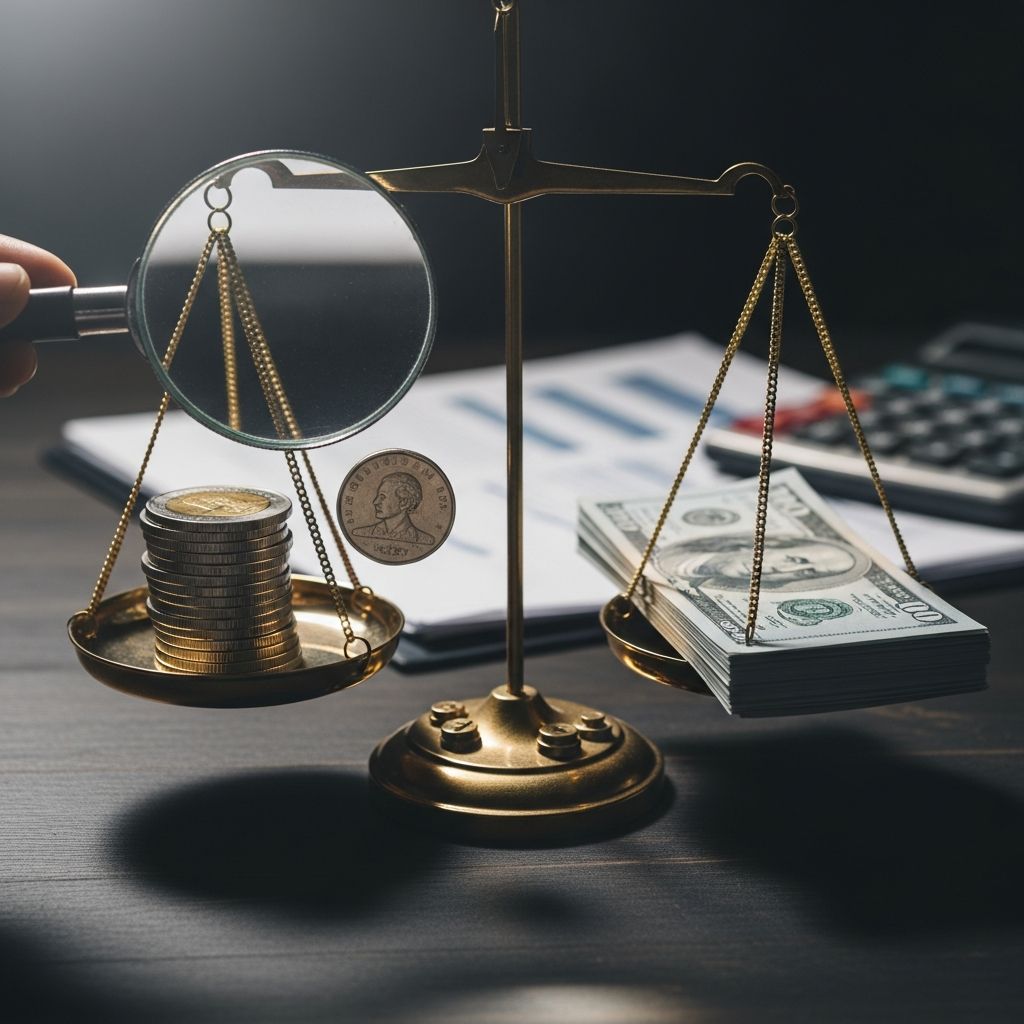
Handling debt during financial strain often leads people to consider partial payments as a temporary fix. While these payments chip away at what you owe, they frequently trigger penalties, extra interest, and credit score declines that linger for years. This guide breaks down the mechanics, risks across debt types, and smarter paths forward for sustainable financial health.
Understanding Partial Payments in Debt Contexts
A partial payment occurs when you remit less than the full amount due on any obligation, such as a credit card statement or loan installment. Creditors generally accept these if their policies permit, but the application varies: some reduce principal directly, others allocate to interest or future dues. This flexibility sounds helpful, yet it masks complications like extended repayment timelines and compounded costs.
Financial experts note that while any payment beats default, partial ones rarely align with optimal debt strategies. They lower immediate balances marginally but expose you to fees and reporting issues that amplify over time.
Direct Impacts on Your Credit Profile
**Payment history dominates credit scoring models**, accounting for about 35% of your FICO score. Partial payments below the minimum due often register as late or delinquent, staining reports for up to seven years. Even if above minimum on cards, utilization ratios climb as balances persist, pushing usage over the recommended 30% threshold and dragging scores down further.
- Late notations from partials signal unreliability to lenders.
- Higher utilization from unpaid portions reduces available credit perception.
- Long-term marks hinder approvals for loans, rentals, or insurance.
Creditors’ discretion plays a role; some flag partials identically to misses, interpreting them as distress signals that justify higher future rates or denials.
Debt-Specific Consequences of Partial Payments
Effects differ by obligation type due to unique terms and servicer practices. Below, we examine key categories.
Credit Card Balances
For revolving credit, minimum payments (often 1-3% of balance plus interest) avert late fees and penalty APRs if met. Partials below this threshold invite charges and score hits, while interest accrues relentlessly on remnants. Prolonged minimum-only habits balloon debt via compounding, with utilization spiking as new charges layer on.
| Scenario | Minimum Met | Below Minimum |
|---|---|---|
| Fees | Avoided | Late fee + penalty APR |
| Interest | On remaining balance | Accelerated growth |
| Credit Report | On-time | Late/delinquent |
Mortgage Obligations
Mortgage servicers may reject partials outright, holding funds in suspense until full payment or deeming it a default. This triggers notices, fees, and credit dings, with principal reduction delayed on long-term loans. Federal rules under RESPA protect consumers somewhat, but persistent partials risk foreclosure proceedings.
Personal and Installment Loans
Fixed-schedule loans penalize deviations harshly. Partials disrupt amortization, accruing interest on unpaid principal and often incurring fees. Lenders report variances promptly, harming scores amid rigid terms.
Potential Benefits Amid the Drawbacks
Not all partial payments doom finances. During hardships like job loss or emergencies, they prevent total defaults, trimming interest slightly and buying negotiation time. Minimum card payments, for instance, maintain account status without delinquency if timely.
Yet benefits pale against risks: longer payoff periods multiply interest, and credit damage persists. Data shows late payments’ score impact fades gradually, but initial drops average 60-100 points.
Strategic Alternatives to Partial Payments
Proactive steps outperform reactive partials. Contact creditors early for hardship programs, rate reductions, or forbearance—many prefer workable plans over defaults.
- Negotiate payment plans: Formal agreements often shield scores better than ad-hoc partials.
- Debt management programs (DMPs): Non-profits like NFCC consolidate payments, lower rates, though initial enrollment may dip scores temporarily.
- Balance transfers: 0% intro APR cards shift debt interest-free briefly.
- Budget overhauls: Prioritize high-interest debts via avalanche or snowball methods.
Monitor progress via free weekly credit reports from AnnualCreditReport.com and scores from bureaus like Experian.
Long-Term Recovery After Partial Payment Missteps
Score recovery demands consistent full payments post-hardship. Utilization drops as balances shrink, and late marks’ weight diminishes after 24 months. Diversify credit mix and avoid new applications during healing.
Table of recovery timeline:
| Time Elapsed | Score Impact | Actions |
|---|---|---|
| 0-12 months | Severe (100+ point drop) | Full payments, low utilization |
| 12-24 months | Moderate | Build positive history |
| 24+ months | Minimal | Apply strategically |
| 7 years | Removed | Full recovery possible |
Frequently Asked Questions
Will one partial payment ruin my credit forever?
No, but it reports as late if below minimum, lingering seven years with fading impact. Consistent on-time payments rebuild quickly.
Can partial payments stop collections?
They may pause escalation temporarily, but unresolved balances advance to collections, worsening scores.
Should I skip payments entirely instead?
Never—partials or minimums fare better than zeros, preserving some goodwill.
How do I check if a partial was reported negatively?
Access free reports from Equifax, Experian, TransUnion; dispute inaccuracies promptly.
Are there laws protecting partial payments on mortgages?
Yes, servicers must handle them per guidelines, but rejection remains common.
Key Takeaways for Debt Mastery
Prioritize full or minimum payments to safeguard credit. When strained, negotiate formally rather than partial piecemeal. Track utilization below 30%, dispute errors, and leverage programs for relief. These habits transform debt from crisis to manageable milestone.
References
- Partial Payment: How Will It Affect My Credit Score? — NerdWallet. 2023-10-15. https://www.nerdwallet.com/finance/learn/partial-payments-on-debt
- Does making partial payments help decrease debt? — Chase Bank. 2024-05-20. https://www.chase.com/personal/credit-cards/education/credit-score/partial-payments-on-debt
- What Happens When You Only Partially Pay Your Debt? — Experian. 2024-02-12. https://www.experian.com/blogs/ask-experian/what-happens-when-you-make-only-partial-payments-on-debt/
- Should I cancel my credit card partial payment plans? — National Foundation for Credit Counseling (NFCC). 2023-08-05. https://www.nfcc.org/blog/ask-an-expert-should-i-cancel-my-partial-payment-plans-will-it-help-my-credit-score/
- When Does a Late Credit Card Payment Show Up on Credit Reports? — Equifax. 2024-01-10. https://www.equifax.com/personal/education/credit-cards/articles/-/learn/when-late-credit-card-payments-post/
- How Long Do Late Payments Stay on Your Credit Report? — Citi. 2023-11-28. https://www.citi.com/credit-cards/money-management/how-long-do-late-payments-stay-on-credit-report
Similar Articles








Read full bio of medha deb