Partial Debt Payments: Risks and Realities
Discover the hidden dangers of partial debt payments and how they impact your credit, finances, and future options.
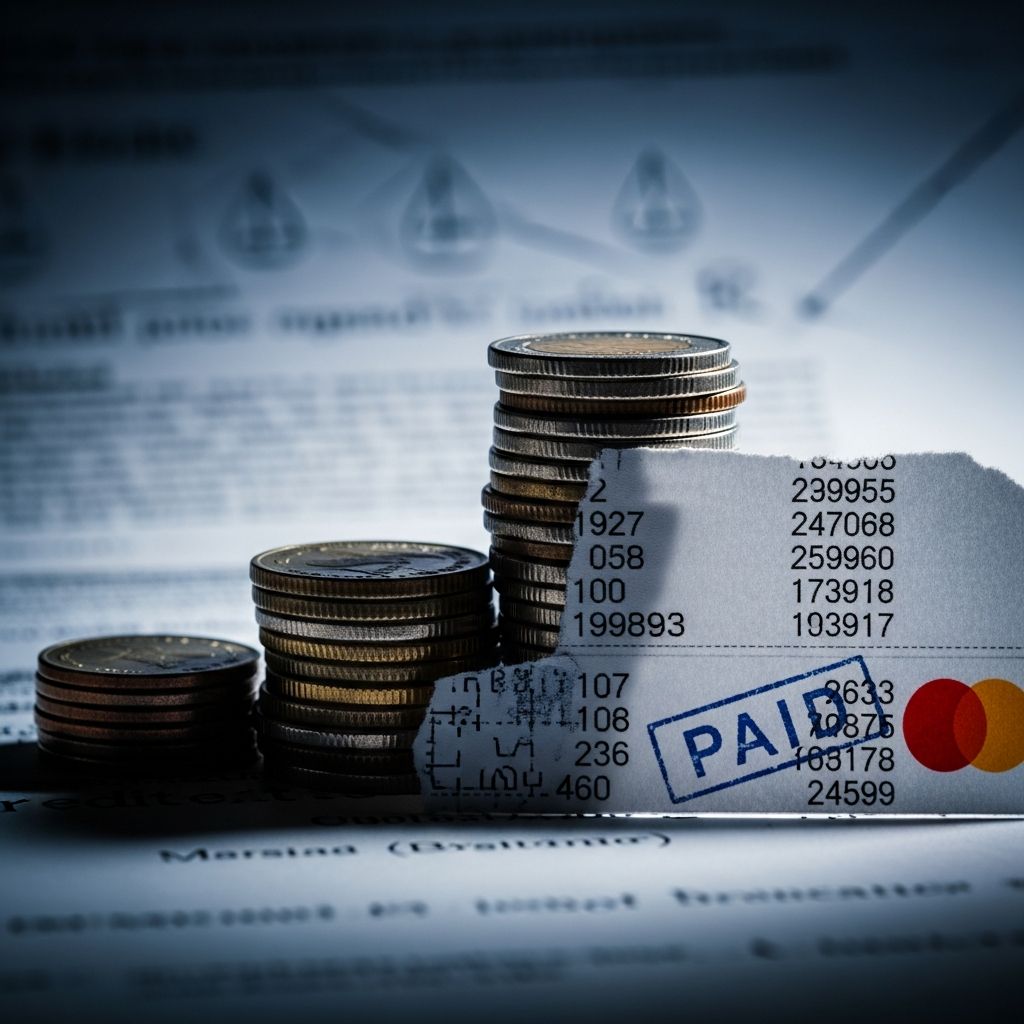
Making only a portion of what you owe on debts might feel like a lifeline during tough times, but it frequently triggers a cascade of negative outcomes. Lenders typically treat these as insufficient, leading to fees, interest buildup, and credit report stains that linger for years. This guide breaks down the effects across debt types, weighs potential benefits against drawbacks, and offers practical steps to navigate financial strain without worsening your situation.
Understanding Partial Payments in Debt Contexts
A partial payment occurs when you remit less than the full amount due on any financial obligation, such as a credit card bill, loan installment, or mortgage payment. While it reduces the principal slightly, it rarely meets contractual terms, prompting creditors to classify it as late or delinquent. This distinction matters because payment history dominates credit scoring models, comprising about 35% of your FICO score.
Creditors set strict minimums to cover interest, fees, and principal. Falling short disrupts this balance, often activating penalty rates or collection processes. For instance, even if a payment lowers your balance, unpaid portions accrue interest daily, compounding the debt faster than anticipated.
Effects on Different Types of Debt
Outcomes vary by debt category due to unique lender policies and regulations. Here’s a detailed look:
- Credit Cards: Minimum payments are calculated based on balances and APRs. Meeting this avoids late fees and penalty APRs (up to 29.99%), but partial amounts below the minimum count as missed, harming credit after 30 days. Interest continues on the remainder, potentially turning manageable debt into a snowballing burden.
- Mortgages: Fixed payments include principal, interest, taxes, and insurance. Partial submissions are often rejected or held in suspense accounts, triggering default notices and fees. Delinquency reports hit credit after 30 days, with foreclosure risks emerging after 120 days of missed full payments.
- Personal Loans: These feature rigid schedules. Deviating invites late fees and negative credit notations, as lenders report any shortfall promptly.
- Student Loans (Federal): Past-due status begins immediately, with credit reporting at 90 days. Default looms at 270 days for most, risking wage garnishment and aid loss. Servicers may accommodate partials under hardship plans, but standalone ones don’t cure delinquency.
| Debt Type | Minimum Payment Met? | Credit Impact | Other Penalties |
|---|---|---|---|
| Credit Cards | No (below min) | Late after 30 days | Penalty APR, fees |
| Mortgages | Rarely | Default notice | Foreclosure risk post-120 days |
| Personal Loans | No | Delinquent report | Late fees |
| Federal Student Loans | Partial OK in plans | 90-day reporting | Default at 270 days |
Credit Score Consequences of Insufficient Payments
Payment history is paramount in credit models. A single 30-day late mark can drop scores by 60-110 points, with effects fading over two years but persisting seven. Partial payments below minimums register similarly to zeros, signaling unreliability to future lenders.
Utilization ratios also suffer if balances grow unchecked. Multiple delinquencies compound damage, raising rates on new credit and limiting approvals. Recovery demands consistent on-time full payments post-resolution.
Financial Penalties and Long-Term Costs
Beyond credit, partials invite immediate hits: late fees ($25-$40 per instance), penalty APRs hiking costs, and interest on unpaid balances. For revolving debt like cards, this creates a vicious cycle where minimums rise with balances.
Creditors may accelerate collections, sending accounts to agencies that pursue aggressively. In extreme cases, lawsuits or liens follow, further eroding finances.
Potential Benefits and When They Apply
Not all partial payments doom you. On credit cards, covering the minimum sidesteps some penalties while chipping at debt. For struggling borrowers, it signals good faith, potentially opening negotiations for hardship programs.
From a collector’s view, accepting partials boosts recovery odds and preserves borrower ties, aiding compliance in regulated spaces. Yet, for debtors, these ‘wins’ are short-lived without a full repayment plan.
Legal Pitfalls for Borrowers and Creditors
Accepting partials can bind parties legally via ‘accord and satisfaction.’ If a check bears ‘payment in full’ notation and you deposit it, courts may deem the debt settled, barring further collection. Debtors should avoid such language; creditors, scrutinize endorsements.
Some states mandate written partial acceptance confirmations. Partial payments might reset statutes of limitations on old debts, reviving collection windows. Collectors sometimes reject partials to preserve lawsuit leverage.
Strategies to Avoid Partial Payment Traps
Proactive steps outperform reactive partials:
- Contact Lenders Early: Before due dates, explain hardships. Many offer forbearance, deferrals, or modified plans.
- Explore Relief Programs: Federal student loans have income-driven repayment; mortgages, loss mitigation.
- Prioritize Essentials: Rank debts by consequences—secured first (e.g., mortgage), then high-interest.
- Debt Management Plans: Nonprofit credit counseling consolidates payments at lower rates.
- Budget Overhaul: Cut expenses, boost income via side gigs to fund full payments.
Tools like balance transfer cards or consolidation loans can reset terms if credit permits.
Real-World Scenarios and Outcomes
Consider Jane, facing job loss: Paying her card minimum averts late fees but balloons interest. Negotiating hardship lowers her APR temporarily, buying time.
Tom’s mortgage partial triggers fees and a credit ding, but quick servicer contact yields forbearance, staving off foreclosure. These highlight communication’s power.
Building Resilience Against Debt Crises
Prevention trumps cure. Maintain emergency funds covering 3-6 months’ expenses. Automate payments to dodge oversights. Monitor credit reports weekly via AnnualCreditReport.com for discrepancies.
Financial education apps track spending, alerting to minimum shortfalls. Long-term, diversify income and avoid high-utilization borrowing.
Frequently Asked Questions
Will any partial payment help my credit?
Only if it meets the minimum; otherwise, it’s reported as late, hurting scores.
Can creditors refuse my partial payment?
Yes, especially collectors aiming for full settlements or avoiding legal waivers.
How long do late partials stay on my report?
Up to seven years from the first delinquency date.
Are there safe ways to pay partially?
Within formal hardship agreements or minimums, yes; standalone partials risk penalties.
What if I’m in default from partials?
Seek counseling, negotiate settlements, or consider bankruptcy as last resort.
Key Takeaways for Financial Health
Partial payments offer fleeting relief but exact steep tolls on credit and wallets. Prioritize full compliance or structured relief to safeguard your financial standing. Persistent hardship warrants professional advice from certified counselors.
References
- What Happens When You Only Partially Pay Your Debt? — Experian. 2023-10-15. https://www.experian.com/blogs/ask-experian/what-happens-when-you-make-only-partial-payments-on-debt/
- The Pros and Cons of Accepting Partial Payments — Deal Pack. 2024-05-20. https://dealpack.com/blog/the-pros-and-cons-of-accepting-partial-payments
- Accepting Partial Payments Can Land You in Trouble — Turnpike Law. 2023-08-12. https://www.turnpikelaw.com/accepting-partial-payments-can-land-you-in-trouble/
- Partial Payment: How Will It Affect My Credit Score? — NerdWallet. 2024-02-28. https://www.nerdwallet.com/finance/learn/partial-payments-on-debt
- Should I Make Partial Payment on My Debt? — DLG Firm. 2021-03-10. https://www.dlgfirm.com/blog/2021/03/should-i-make-partial-payment-on-my-debt/
Similar Articles








Read full bio of Sneha Tete