Pantry Essentials For Cooking: Complete Budget Checklist
Stock your pantry with these affordable essentials to whip up endless meals without wasting money or food.
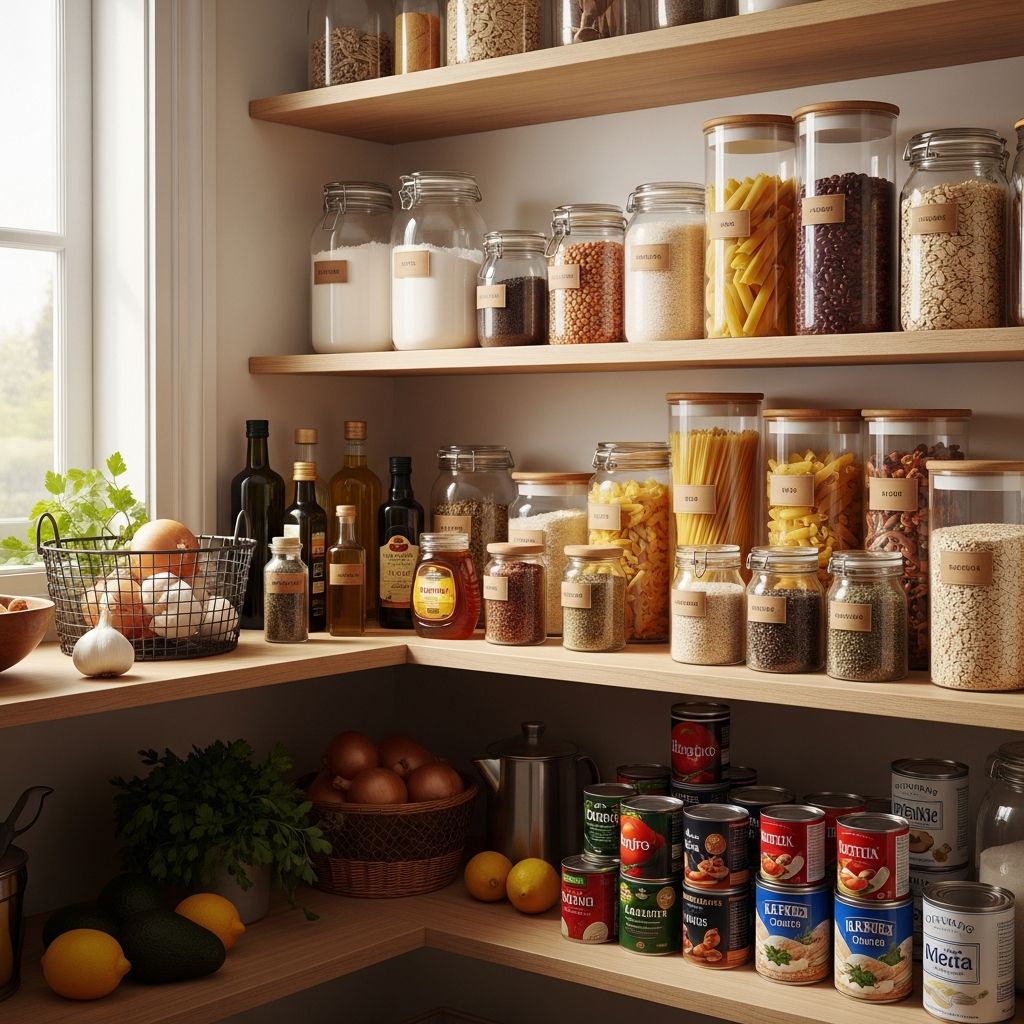
Building a well-stocked pantry is one of the smartest ways to save money on groceries while ensuring you can prepare nutritious, tasty meals any day of the week. With the right essentials, you reduce impulse buys, minimize food waste, and avoid expensive takeout. This guide covers key categories like grains, canned goods, spices, and more, drawing from expert checklists to help you create a versatile kitchen arsenal that supports everything from quick weeknight dinners to baking projects.
Why Stock Your Pantry?
A stocked pantry acts as your kitchen’s safety net, especially during busy weeks or unexpected events. It allows meal improvisation with what you have on hand, cutting costs by up to 30% on weekly grocery bills through planned stocking and rotation. Focus on long-shelf-life items that form the base of multiple recipes, prioritizing whole grains and low-sodium options for health benefits. Start small: assess your current inventory, buy in bulk where possible, and rotate stock using FIFO (first in, first out) to keep everything fresh.
In the Pantry: Grains and Pasta
Grains and pasta are the backbone of affordable, filling meals. They store indefinitely when kept dry and cool, making them ideal staples for pasta dishes, rice bowls, and grain salads.
- Rice: White, brown, and instant varieties for versatility. Brown rice offers more fiber and nutrients.
- Pasta: Spaghetti, elbows, and lasagna noodles. Opt for whole grain for added nutrition.
- Oats: Rolled or steel-cut for oatmeal, baking, or savory porridge.
- Quinoa and Barley: Protein-rich alternatives for salads or soups.
- Couscous: Quick-cooking for grain bowls or as a pilaf base.
These items pair with proteins and veggies for endless combinations, like quinoa-stuffed peppers or pasta primavera.
In the Pantry: Canned, Jarred, and Pouched Foods
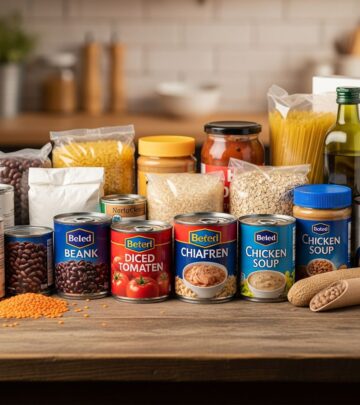
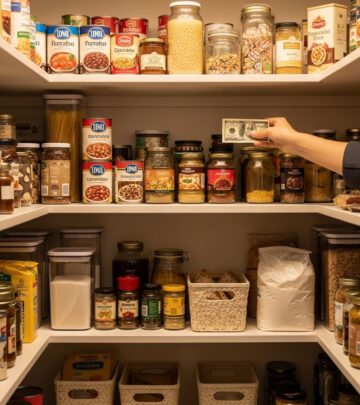
Canned goods provide instant flavor and nutrition with minimal prep. Choose low-sodium and no-added-sugar options to control intake.
- Beans: Black, pinto, garbanzo for chilis, salads, and dips.
- Tomatoes: Diced, crushed, paste, and sauce for sauces and stews.
- Tuna and Salmon: Pouched or canned for salads, patties, or melts.
- Vegetables: Corn, green beans, and artichokes for quick sides.
- Broths: Chicken, beef, vegetable for soups and risottos.
- Nut Butters: Peanut or almond for spreads, sauces, or energy bites.
Pro tip: Rinse canned beans to cut sodium by 40% and extend usability in recipes like three-bean salad or tuna casserole.
In the Pantry: Baking and Cooking Supplies
These fundamentals enable from-scratch cooking and baking, saving money over pre-made mixes.
| Item | Uses | Storage Tip |
|---|---|---|
| Flour (all-purpose, whole wheat) | Breads, pancakes, thickeners | Airtight container, cool spot |
| Sugar (white, brown, powdered) | Baking, sauces, rubs | Sealed jars to prevent clumping |
| Baking Powder/Soda | Leavening for muffins, cookies | Dry, away from moisture |
| Oils (olive, canola, vegetable) | Sautéing, dressings, frying | Dark cabinet for olive oil |
| Vinegars (apple cider, white, balsamic) | Marinades, pickles, dressings | Room temperature |
With these, bake banana bread or whip up a vinaigrette in minutes.
In the Pantry: Seasonings, Spices, and Condiments
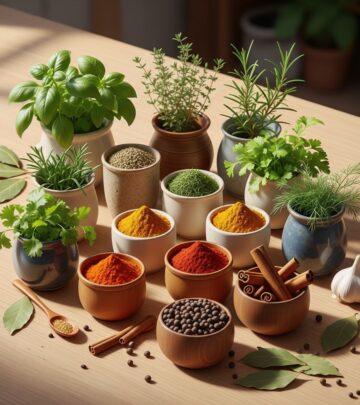
Flavor is free once stocked. A basic spice rack transforms simple ingredients into gourmet meals.
- Essentials: Salt, black pepper, garlic powder, onion powder.
- Herbs: Basil, oregano, parsley (dried).
- Spices: Chili powder, cumin, paprika, cinnamon.
- Condiments: Ketchup, mustard, soy sauce, Worcestershire, hot sauce.
- Sauces: Salsa, barbecue, pesto.
Layer flavors: cumin in tacos, cinnamon in oats. Refresh spices every 6-12 months for potency.
In the Pantry: Snacks and Produce Staples
Healthy snacks curb hunger without derailing budgets.
- Nuts: Almonds, walnuts, peanuts (unsalted).
- Crackers and Popcorn: Whole grain for mindless munching.
- Dried Fruit: Raisins, apricots in moderation.
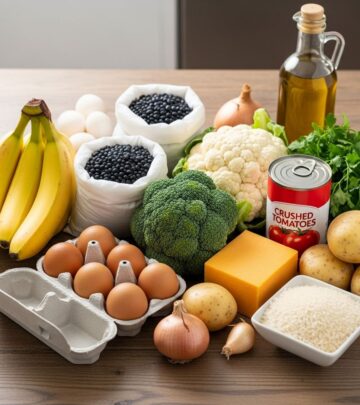
- Produce: Onions, potatoes, garlic (long-lasting bases).
Trail mix or popcorn with nutritional yeast makes movie night affordable.
In the Refrigerator: Dairy and Fresh Basics
Fridge items bridge pantry staples to fresh meals. Prioritize low-fat for health.
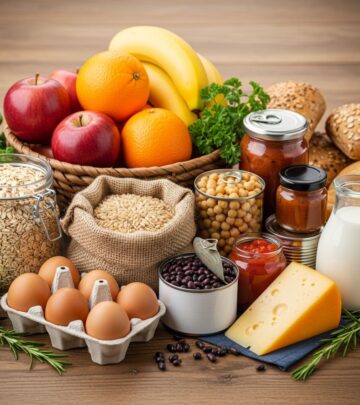
- Milk and Yogurt: Fat-free or low-fat, plain for versatility.
- Cheese: Shredded cheddar, blocks, string for snacks.
- Eggs: For baking, frying, or omelets.
- Butter/Margarine: For cooking and spreading.
- Fresh Produce: Fruits (apples, citrus), veggies (carrots, celery).
Yogurt parfaits or egg fried rice use these with pantry grains.
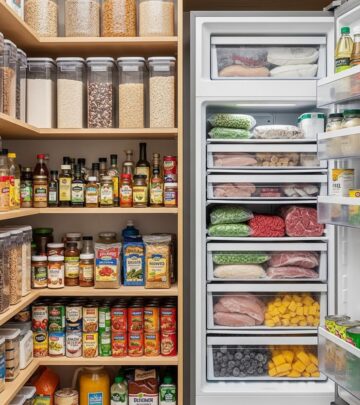
In the Freezer: Proteins and Quick Meals
Freezer stock prevents waste and enables bulk buys.
- Meats: Chicken breasts, ground turkey/beef, shrimp.
- Vegetables and Fruits: Frozen berries, peas, spinach.
- Breads: Waffles, tortillas, rolls.
- Juice Concentrate: For smoothies or marinades.
Portion proteins flat for quick thawing; frozen veggies retain nutrients better than fresh sometimes.
Meal Ideas from Pantry Staples
Put it together:
- Quick Pasta: Pasta + canned tomatoes + garlic + cheese.
- Bean Chili: Beans + tomatoes + onions + spices.
- Grain Bowl: Rice/quinoa + frozen veggies + nut butter sauce.
- Baked Oatmeal: Oats + milk + cinnamon + dried fruit.
- Tuna Melt: Tuna + bread + cheese.
These recipes cost under $2 per serving.
Budget Tips for Stocking Up
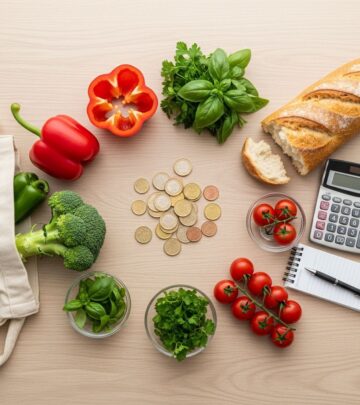
Shop sales, use apps for coupons, buy store brands. Aim for $50 initial stock, then $20 weekly refresh. Track usage to avoid overbuying perishables.
Frequently Asked Questions (FAQs)
Q: How often should I restock pantry essentials?
A: Check monthly; grains and canned goods last 1-2 years, spices 6-12 months. Rotate to use oldest first.
Q: What are the cheapest protein pantry staples?
A: Canned beans, peanut butter, and eggs offer high protein per dollar.
Q: Can I freeze pantry items like flour?
A: Yes, flour and nuts freeze well to extend shelf life up to a year.
Q: How do I organize my pantry for efficiency?
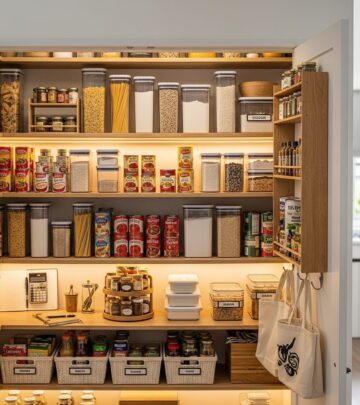
A: Use clear bins, label shelves by category, and place frequently used items at eye level.
Q: Are whole grain options worth the extra cost?
A: Yes, for fiber and sustained energy; sales make them budget-friendly.
References
- Basic Foods Checklist: How to Stock Your Kitchen for Simple Meals — University of Nebraska-Lincoln Food. 2023-05-15. https://food.unl.edu/article/basic-foods-checklist-how-stock-your-kitchen-simple-meals/
- List of Pantry Essentials to Make Many Delicious Meals — Cook Smarts. 2024-01-10. https://www.cooksmarts.com/articles/our-list-of-pantry-essentials/
- Basic Pantry Staples Checklist — The Purposeful Pantry. 2023-08-22. https://www.thepurposefulpantry.com/basic-pantry-staples-checklist/
- Pantry Essentials: Ingredients For a Well-Stocked Kitchen — Love and Olive Oil. 2018-02-14. https://www.loveandoliveoil.com/2018/02/pantry-essentials.html
- The Handy-Dandy Printable List to Stock Up Any Pantry — The Pioneer Woman. 2022-11-03. https://www.thepioneerwoman.com/food-cooking/a10476/stocking-up-the-printable-list/
Similar Articles








Read full bio of Sneha Tete