Palladium: Definition, Uses, and Investment Value
Comprehensive guide to palladium metal: industrial applications, investment strategies, and market insights.
Understanding Palladium
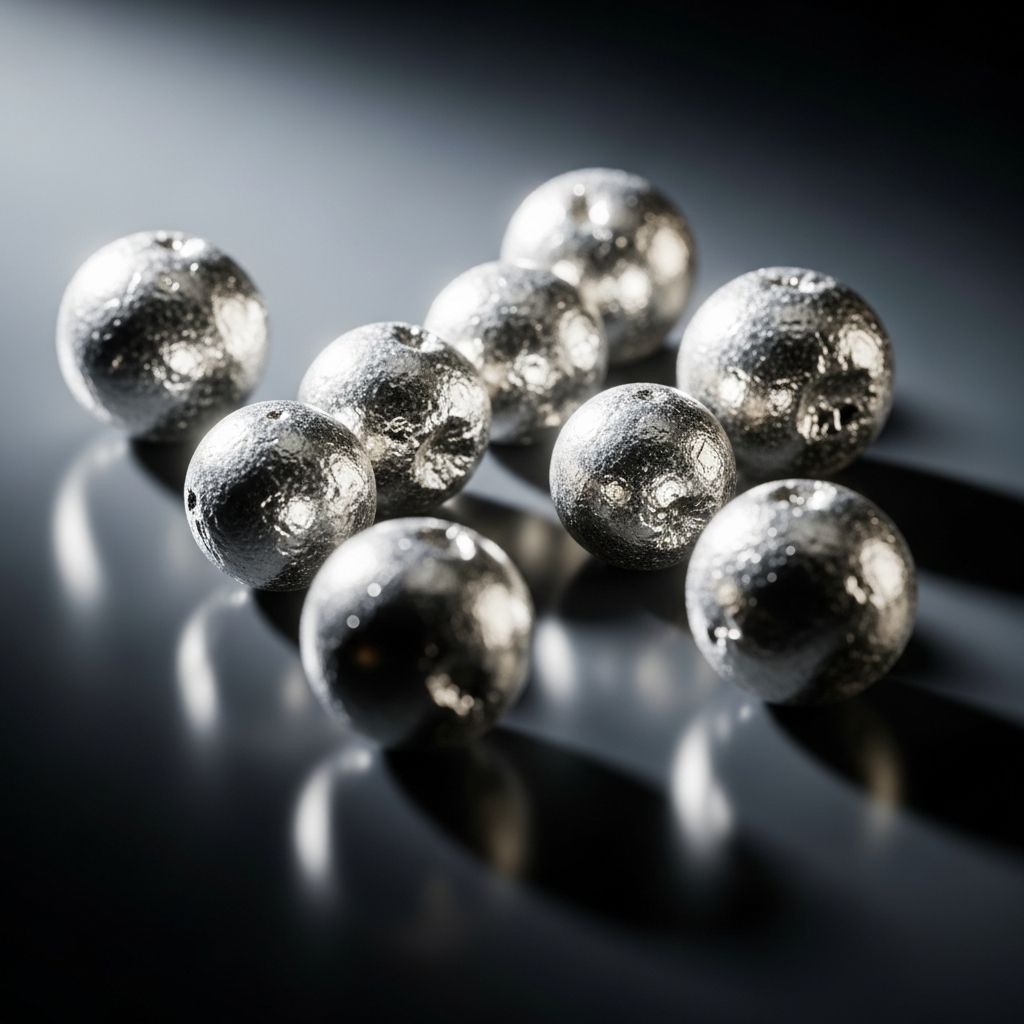
Palladium is a rare, silvery-white precious metal that belongs to the platinum group of elements. Discovered in 1803 by English chemist William Hyde Wollaston, palladium has become increasingly essential to modern industrial applications and investment portfolios. Unlike gold, which primarily serves as a store of wealth and a hedge against economic uncertainty, palladium combines intrinsic investment value with substantial industrial demand, making it a unique asset class for diversified investors.
The metal’s atomic number is 46, and it possesses remarkable properties including exceptional catalytic abilities, high melting point, and resistance to corrosion. These characteristics make palladium indispensable across multiple industries, from automotive manufacturing to electronics and jewelry production. As global industries shift toward cleaner technologies and stricter environmental regulations continue to tighten, palladium’s importance in the modern economy continues to expand significantly.
Primary Industrial Applications of Palladium
Palladium’s industrial applications represent the primary driver of its demand and market value. Understanding these uses provides valuable insight into why palladium behaves differently from other precious metals in financial markets.
Catalytic Converters in Automotive Industry
The automotive industry represents the largest consumer of palladium globally, with catalytic converters accounting for the majority of industrial demand. Catalytic converters contain palladium, platinum, and rhodium, which work together to convert harmful emissions—including carbon monoxide, nitrogen oxides, and unburned hydrocarbons—into less harmful substances before they exit vehicle exhaust systems. As governments worldwide implement stricter emission standards, automobile manufacturers require greater quantities of palladium to meet regulatory compliance requirements. This regulatory environment creates a structural foundation for sustained palladium demand in the transportation sector.
Electronics and Telecommunications
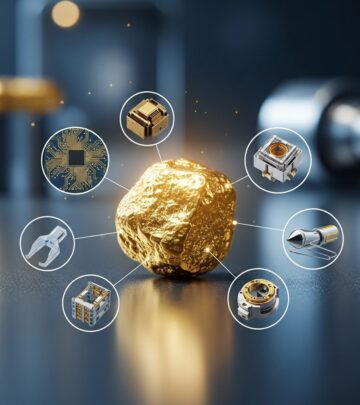
Palladium plays a critical role in the electronics industry, where it serves multiple functions including component manufacturing, hybrid integrated circuits, and multilayer ceramic capacitors. The metal’s excellent conductivity and reliability make it essential for precision electronic applications that demand consistent performance. As consumer electronics continue to proliferate and become more sophisticated, demand for palladium in this sector remains robust and continues to grow.
Dental and Medical Applications
Palladium’s biocompatibility and corrosion resistance make it valuable in dental work, where it is used in crowns, bridges, and other dental restorations. Medical professionals also utilize palladium in various surgical instruments and implants due to its hypoallergenic properties and durability. The metal’s ability to withstand the harsh chemical environment of the human body makes it particularly suitable for long-term medical applications.
Jewelry Manufacturing
While less prominent than gold or silver in jewelry applications, palladium has gained popularity among jewelers and manufacturers seeking white metal alternatives. Palladium’s natural white color, lightweight properties compared to platinum, and relative affordability compared to other precious metals make it an attractive option for contemporary jewelry designs. Its hypoallergenic nature also appeals to consumers with sensitive skin.
Hydrogen Storage and Clean Energy
As the global economy transitions toward renewable energy solutions, palladium is increasingly recognized for its role in hydrogen storage and fuel cell technology. The metal’s capacity to absorb and release hydrogen makes it valuable in emerging hydrogen economy applications, positioning palladium as a beneficiary of long-term clean energy trends.
Global Supply and Production
Understanding palladium’s supply dynamics is essential for investors considering exposure to this metal. Global palladium supply is highly concentrated, with production heavily dependent on specific geographic regions and mining operations.
Major Producing Countries
Russia and South Africa dominate global palladium production, collectively accounting for the vast majority of worldwide supply. Russia, through its extensive mining operations and refining infrastructure, represents the single largest producer of palladium. South Africa, home to some of the world’s largest platinum group metal deposits, represents the second major source. This geographic concentration creates supply vulnerabilities and price sensitivity for industries dependent on consistent palladium availability. Minor production occurs in other countries including Canada, the United States, and Zimbabwe, but these sources contribute relatively small quantities to global supply.
Supply Constraints and Scarcity
Palladium’s availability is fundamentally constrained by geological scarcity and the capital-intensive nature of mining and refining operations. Unlike base metals, palladium cannot be quickly scaled to meet demand surges because mining and processing infrastructure requires substantial investment and development time. This structural scarcity, combined with steady industrial usage and occasional supply disruptions, creates a supportive environment for palladium prices over extended timeframes.
Historical Price Trends and Market Dynamics
Examining palladium’s price history reveals the metal’s sensitivity to industrial demand cycles, supply disruptions, and macroeconomic conditions.
Long-Term Price Evolution
From 2000 to 2020, palladium prices experienced substantial appreciation driven by increased automotive production worldwide and progressively stricter global emissions standards. The metal’s price trajectory reflected strong industrial demand coupled with constrained supply. Between 2020 and 2021, palladium reached historic price records amid supply chain disruptions and surging demand from automotive manufacturers preparing for stricter emissions regulations. As of late October 2025, spot palladium prices trade at approximately $1,500 per troy ounce, reflecting the metal’s position as one of the more valuable precious metals.
Price Volatility Factors
Several factors influence palladium prices, including automotive production cycles, regulatory changes affecting emissions standards, geopolitical events affecting major producing countries, currency fluctuations, and broader precious metals market dynamics. Investors should recognize that palladium prices tend to correlate more closely with industrial production cycles than traditional safe-haven assets like gold.
Palladium as an Investment Asset
Palladium offers investors a distinctive investment proposition that differs meaningfully from traditional precious metals investments.
Unique Investment Characteristics
Palladium combines the tangible, intrinsic value characteristic of precious metals with exposure to industrial demand and technological advancement. While gold traditionally serves as a store of wealth and inflation hedge, palladium offers growth potential directly tied to global manufacturing activity, automotive production, and technological innovation. Physical palladium retains tangible worth rooted in real-world industrial utility and limited supply, distinguishing it from paper assets or digital investments.
Portfolio Diversification Benefits
Including palladium in a diversified precious metals portfolio provides complementary exposure to industrial demand cycles. While gold provides stability and wealth preservation, palladium introduces exposure to manufacturing trends and technological advancement. This combination can enhance portfolio resilience by reducing concentration risk and providing multiple sources of potential returns.
Comparison with Other Precious Metals
| Metal | Primary Use | Price Driver | Investment Characteristics |
|---|---|---|---|
| Gold | Investment, jewelry, technology | Safe-haven demand, inflation | Stability, wealth preservation |
| Silver | Industrial, jewelry, investment | Industrial demand, investment | Moderate volatility, dual demand |
| Palladium | Automotive, electronics, industrial | Manufacturing, emissions standards | Growth potential, industrial exposure |
| Platinum | Industrial, jewelry, investment | Industrial demand, jewelry | Scarcity value, industrial cycles |
Ways to Invest in Palladium
Investors have multiple options for gaining exposure to palladium, each with distinct advantages and considerations.
Physical Palladium
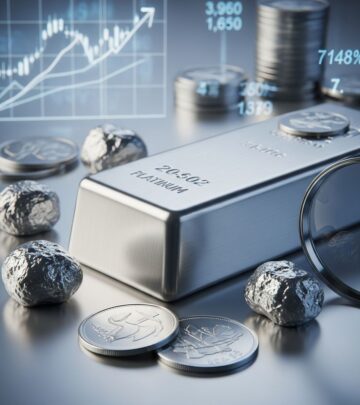
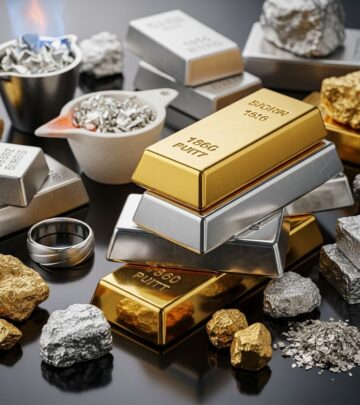
Direct ownership of physical palladium through bars and coins represents the most straightforward investment approach. Palladium coins, such as certified investment-grade products, provide tangible ownership with the security of recognized standards and authentication. Physical ownership eliminates counterparty risk but requires secure storage and insurance considerations.
Palladium ETFs and Mutual Funds
Exchange-traded funds (ETFs) and mutual funds tracking palladium prices offer convenient access without physical storage requirements. These vehicles provide liquidity and ease of trading through standard brokerage accounts, though they involve management fees and counterparty risk through fund operators.
Palladium Mining Stocks
Investors can gain indirect palladium exposure through equities of companies engaged in palladium mining and refining operations. Mining stocks provide leverage to palladium prices but introduce additional business risk, management risk, and operational risk factors distinct from the metal itself.
Futures and Options Contracts
Sophisticated investors may utilize palladium futures and options for tactical positions or hedging strategies. These derivatives offer leverage and flexibility but require specialized knowledge and entail significant risk for inexperienced traders.
Building a Palladium Investment Strategy
Developing a coherent palladium investment strategy requires understanding personal investment objectives, risk tolerance, and portfolio composition.
Portfolio Allocation Considerations
Precious metals typically represent 5-10% of diversified portfolios, with gold typically forming the foundation. Palladium might represent 20-30% of precious metals allocations for investors seeking industrial demand exposure, with the remainder allocated to gold for stability and wealth preservation.
Long-Term Investment Outlook
As the global economy advances toward cleaner energy technologies and stricter environmental standards, palladium’s importance should continue expanding. Growth in electric vehicle adoption, hydrogen fuel cells, and advanced electronics creates structural support for long-term palladium demand. Investors with multi-year investment horizons may find palladium attractive as part of forward-looking portfolio construction.
Risk Management
Palladium investment involves risks including price volatility, supply disruptions, regulatory changes affecting automotive emissions standards, and geopolitical risks in major producing countries. Investors should ensure palladium represents an appropriate portfolio allocation and avoid concentration risk through excessive exposure to any single asset class.
Current Market Conditions and Outlook
As of late 2025, palladium markets reflect ongoing industrial demand alongside periodic supply concerns and macroeconomic uncertainty. The automotive industry’s transition toward electrification presents a complex dynamic, as traditional catalytic converter demand may face headwinds from reduced internal combustion engine vehicle production, while simultaneously creating new demand for palladium in battery technology and associated electronics.
Frequently Asked Questions
Q: What is palladium and why is it valuable?
A: Palladium is a rare precious metal with exceptional catalytic properties used extensively in automotive catalytic converters, electronics, and industrial applications. Its value derives from scarcity, essential industrial applications, and limited geographic supply concentration.
Q: How much of global palladium production comes from Russia and South Africa?
A: Russia and South Africa collectively account for the vast majority of global palladium production, with Russia being the single largest producer. This concentration creates supply vulnerability and price sensitivity for dependent industries.
Q: What is the current price of palladium?
A: As of late October 2025, spot palladium prices trade at approximately $1,500 per troy ounce, though prices fluctuate based on industrial demand, supply conditions, and macroeconomic factors.
Q: How does palladium compare to gold as an investment?
A: Gold primarily serves as a store of wealth and inflation hedge with stable demand driven by safe-haven seeking. Palladium offers growth potential tied to industrial production and technological advancement, providing complementary portfolio exposure.
Q: What are the best ways for beginners to invest in palladium?
A: Beginners should consider physical palladium coins or bars for direct ownership, or palladium ETFs for convenience and liquidity. These approaches are more straightforward than mining stocks or derivatives for investors new to precious metals.
Q: Will palladium demand continue to grow?
A: Palladium demand should continue expanding as global economies advance cleaner energy technologies, implement stricter emissions standards, and develop hydrogen fuel cells and advanced electronics applications requiring palladium.
Q: What risks are associated with palladium investing?
A: Key risks include price volatility, supply disruptions from major producing countries, regulatory changes affecting automotive emissions standards, geopolitical uncertainties, and shifts in industrial demand patterns.
References
- Palladium Investment and Usage in the USA — U.S. Gold Bureau. 2025-11-05. https://www.usgoldbureau.com/news/post/palladium-investment-and-usage-in-the-usa
Similar Articles








Read full bio of medha deb