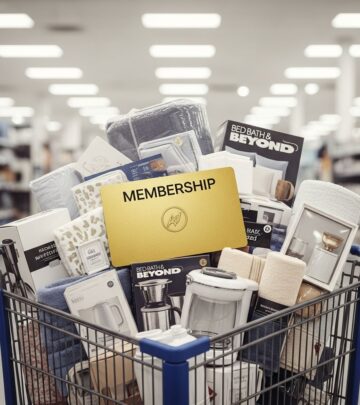
Are Paid Loyalty Programs Worth It? A Complete Guide
Discover if paid loyalty programs save you money or drain your wallet with this comprehensive evaluation guide.

Retailers and restaurants are increasingly turning to paid loyalty programs to reward regular customers and attract new business. Major brands like Target, Walmart, and Chuck E. Cheese offer monthly or annual memberships promising exclusive discounts, faster shipping, and elevated customer experiences. However, with membership fees starting at $7.99 per month or higher, the critical question remains: do these programs actually deliver value, or do they simply encourage you to spend more money than you would as a non-member?
The answer isn’t one-size-fits-all. Whether a paid loyalty program makes financial sense depends on your personal shopping habits, lifestyle, and the specific benefits each program offers. This comprehensive guide walks you through a systematic evaluation process to help you determine if paid membership programs are right for your wallet.
Understanding Paid Loyalty Programs
Paid loyalty programs have become increasingly popular across retail and food service industries. These membership-based programs charge customers a recurring fee in exchange for various perks and benefits. Unlike traditional free loyalty programs that reward purchases with points or discounts, paid programs require an upfront investment.
The appeal is clear to businesses: paid memberships create committed customers who are more likely to shop frequently and spend more to justify their membership cost. For consumers, the promise is equally attractive—exclusive access to sales, free shipping, priority service, and special discounts that supposedly offset the membership fee.
But before committing your money, it’s essential to evaluate whether the promises match reality for your specific situation.
Step 1: Understand the Full Cost of Membership
The first crucial step in evaluating any paid loyalty program is understanding the complete cost structure. Most people focus only on the advertised monthly or annual fee, but memberships frequently hide additional expenses in the fine print.
Direct and Indirect Costs to Consider:
- Monthly or annual membership fees
- Charges for premium features or upgrades
- Hidden fees that accumulate over time
- Minimum spending requirements to unlock certain benefits
- Cancellation fees or penalties for early termination
For example, a membership that promises free shipping might only apply that benefit when you spend a minimum amount per order—say $35. If your typical shopping trips are smaller purchases, that “free” shipping perk becomes irrelevant. Similarly, an annual fee that seems reasonable when divided by twelve months could represent a significant yearly expense if you don’t take full advantage of the benefits.
Read the fine print carefully. Ask questions directly to customer service representatives. Calculate the total cost of membership over a full year, including all potential fees and minimum spending thresholds. This foundational step ensures you have a realistic picture of what membership actually costs.
Step 2: Make a Detailed List of Member Perks
After understanding the costs, the next critical step is cataloging every benefit that comes with membership. Different programs offer vastly different perks, and their value depends heavily on how they align with your shopping patterns.
Common Membership Benefits Include:
- Free or discounted shipping on orders
- Exclusive access to sales and special events
- Priority or faster shipping options
- Rewards points or cash back on purchases
- Special discounts or percentage off purchases
- Early access to new products
- Dedicated customer support
- Member-only products or services
Simply listing perks isn’t enough. You must evaluate their real-world utility to your life. A membership offering exclusive online shopping deals provides little value if you rarely purchase online. Conversely, if you frequently order from a retailer and consistently exceed minimum spending thresholds, free shipping benefits could provide substantial savings.
Consider your personal shopping habits honestly. Do you shop at this store or restaurant regularly? Do your purchases typically qualify for the benefits being offered? Would you naturally shop there more if membership made you feel more committed to that brand? Your answers determine whether perks hold genuine value.
Step 3: Analyze Your Personal Spending Habits
This step bridges the gap between understanding costs and evaluating benefits. You need to examine your actual spending patterns and project how membership might change them.
Key Questions to Answer:
- How often do you currently shop at this retailer or restaurant?
- What is your average transaction size?
- How much do you typically spend annually at this location?
- Are there specific product categories where you make most of your purchases?
- Would membership encourage you to shop more frequently or spend more per trip?
- How does this spending compare to your overall budget?
Organize your purchase history by the categories of benefits offered. If the membership includes shipping benefits, track all your online purchases. If it offers discounts on specific product categories, calculate your annual spending in those areas. This data-driven approach prevents emotional decision-making and grounds your evaluation in actual financial reality.
Consider using budgeting apps and financial tracking tools to visualize your spending patterns. Many modern budgeting applications can categorize expenses and help you understand where your money goes. This information proves invaluable when projecting whether membership benefits will actually save you money.
Also be realistic about behavioral change. While a membership commitment might temporarily increase your spending at a retailer, will this higher spending level persist throughout the membership period? Most people revert to their baseline shopping habits within a few months.
Step 4: Compare Member Versus Non-Member Experiences
To paint a complete financial picture, directly compare what members pay and receive against the non-member experience. This comparison extends beyond simple cost calculations to include convenience factors and service quality.
Financial Comparison Framework:
Calculate the annual shipping costs you would pay without membership and subtract the membership fee from any member-exclusive shipping savings. For example, if you typically pay $50 annually in shipping fees and membership costs $60 per year but saves you $100 in shipping, your net savings would be $40 annually. This simplistic calculation often reveals that membership doesn’t provide sufficient financial benefit.
Similarly, quantify savings from exclusive sales. Compare the discounts members receive during special sales against the standard discounts available to non-members. If the difference is marginal, membership becomes less attractive.
Non-Financial Comparison Factors:
- Priority or expedited customer service
- Early access to new products or limited-edition items
- Exclusive products available only to members
- Faster shipping times compared to standard shipping
- Premium shopping experiences or events
These conveniences have value even if they don’t directly translate to dollar savings. If membership grants access to products you genuinely love and can’t get elsewhere, this could justify the membership cost. However, be honest about whether you’ll realistically use these benefits.
The key is asking yourself: given my actual shopping habits and preferences, do the member benefits I’ll use provide value equal to or exceeding the membership cost? If the answer is uncertain, membership probably isn’t worth it.
Common Paid Loyalty Programs to Evaluate
Understanding how these evaluation steps apply to real programs helps clarify the process. Several major retailers and restaurants offer paid loyalty memberships.
Target Circle 360: This membership offers benefits like free shipping, extended returns, and exclusive discounts. However, free shipping requires a $35 minimum purchase. If your typical Target visits are smaller transactions, this key benefit won’t apply.
Walmart Plus: Offering free delivery, fuel discounts, and exclusive shopping hours, Walmart’s paid program targets customers who frequently purchase groceries and home goods online.
Chuck E. Cheese Membership: At $7.99 monthly, this program provides food discounts and exclusive offers. Whether it’s worth the $96 annual cost depends on how frequently your family visits and your typical spending per visit.
Amazon Prime: While often categorized as a shopping service, Prime’s value extends beyond shipping to include streaming services and exclusive shopping events, creating value that extends beyond retail shopping.
For each program you’re considering, apply the four-step evaluation process to determine if membership aligns with your habits and budget.
Red Flags: When Paid Loyalty Programs Aren’t Worth It
Certain situations clearly indicate that paid membership programs won’t provide value:
- You shop at the retailer infrequently or make small purchases that don’t qualify for member benefits
- The membership fee exceeds your projected annual savings from discounts and perks
- You’re attracted to membership primarily because of one benefit that you’ll rarely use
- The program requires spending a minimum amount to unlock major benefits
- Cancellation fees or policies make it difficult to exit if you’re unhappy
- You already receive similar benefits from competing programs or credit cards you use
- The program focuses on product categories where you rarely make purchases
If multiple red flags apply to a program you’re considering, skip membership and maintain your non-member shopping habits.
Maximizing Value if You Join
If your evaluation confirms that membership makes financial sense, several strategies help maximize the value you receive:
- Stack member discounts with promotional offers and coupon codes
- Use rewards points or cash back programs for all eligible purchases
- Take advantage of member-exclusive sales and events
- Set calendar reminders for special promotions so you don’t miss them
- Track your savings throughout the membership period to confirm you’re breaking even
- Plan major purchases strategically to coincide with member-exclusive sales
- Refer friends if the program offers referral bonuses
Treat your membership as an investment that requires active management. Passive membership holders rarely maximize value.
Frequently Asked Questions About Paid Loyalty Programs
Q: How do I know if a paid loyalty program will actually save me money?
A: Track your spending at the retailer for three to six months before joining. Calculate how much the membership benefits would have saved during that period. If projected savings exceed the annual membership cost by a comfortable margin, membership is likely worthwhile. Add a buffer of 20-30% to account for variation in spending patterns.
Q: Are paid loyalty programs better than free loyalty programs?
A: Not necessarily. Free loyalty programs provide benefits without upfront cost, though they typically offer less generous rewards. Choose based on your shopping habits and actual benefit value, not program cost. A free program that offers benefits aligned with your purchases can be more valuable than an expensive paid program with irrelevant perks.
Q: What should I do if I join and realize the membership isn’t worth it?
A: Review the cancellation policy immediately. Most programs allow cancellation within a specific period, sometimes with a refund. Don’t let sunk costs trap you in an unprofitable membership. The few dollars you lose by canceling early is better than paying full membership fees for a year of unused benefits.
Q: Can I use paid loyalty programs together with credit card rewards?
A: Yes, and you should. Many retailers allow you to stack membership benefits with credit card rewards. For example, you might earn membership cash back plus credit card points on the same purchase. Stack as many benefits as possible to maximize value.
Q: How often should I re-evaluate my paid loyalty memberships?
A: Review each membership annually or whenever your shopping habits change significantly. A membership that made sense when you lived near a store might lose value if you move. Similarly, life changes like new family members, relocation, or budget adjustments may alter whether membership remains worthwhile.
Q: Do paid loyalty programs encourage overspending?
A: They can. The psychological commitment of paying for membership sometimes leads people to shop more frequently or spend more per trip to justify the membership cost. Be aware of this tendency and maintain spending discipline even after joining a program.
The Bottom Line
Paid loyalty programs can provide genuine value, but only when membership benefits align closely with your actual shopping habits and spending patterns. There’s no universal answer to whether they’re worth it—the answer depends entirely on your individual circumstances.
By following the four-step evaluation process, understanding the full cost structure, honestly assessing your shopping habits, and comparing member benefits to non-member experiences, you can make an informed decision. Take time with this evaluation. The few hours spent analyzing membership options can save you hundreds of dollars annually by preventing poor purchasing decisions.
Remember that memberships are meant to serve your financial goals, not the other way around. If a program doesn’t clearly deliver value equal to its cost, skip it. Your savings account will thank you.
References
- Are Paid Loyalty Programs Worth It? Here’s How to Tell — The Penny Hoarder. 2024. https://www.thepennyhoarder.com/save-money/paid-loyalty-programs/
Similar Articles








Read full bio of Sneha Tete