Paid Defaults: Will They Disappear From Your Credit
Understanding what happens to defaults after you've settled your debt obligations

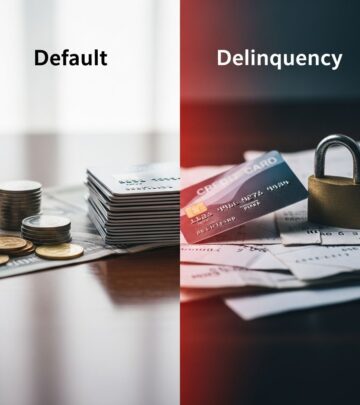
One of the most common misconceptions about credit management is that paying off a defaulted account will automatically erase it from your credit report. The reality is considerably more nuanced. When you settle a default, the status changes, but the default record itself typically remains visible to lenders for a significant period. Understanding this distinction is crucial for managing your financial recovery effectively.
What Constitutes a Default on Your Credit File
A default occurs when you fail to meet the terms of your credit agreement. Creditors typically issue a default notice after 3 to 6 months of missed payments, formally notifying you that your account has been compromised. This notice demands full payment and provides a specific timeframe—usually at least two weeks—to rectify the situation.
The default notice itself is a letter and does not appear on your credit report. However, once your account officially defaults, this status is filed with credit reference agencies and becomes visible on your credit file. The missed payments leading to the default, along with the default status itself, create a significant negative mark that affects your creditworthiness.
The Critical Truth About Paying Off Defaults
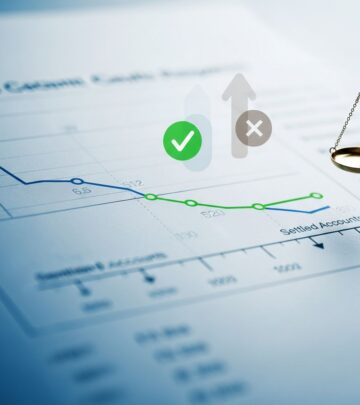
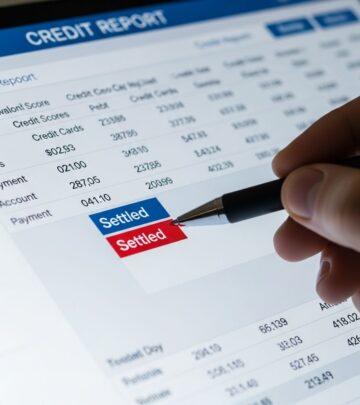
Perhaps the most important fact to understand is this: paying off a default will not remove it from your credit report. Instead, the status will be updated to reflect that the default has been settled. This distinction matters considerably because lenders reviewing your credit history will still see the default—they simply see it marked as paid.
The status change from “unpaid” to “paid” does provide some benefit. Lenders generally prefer to see evidence that you’ve resolved your debt obligations, even if delinquency occurred. A paid default demonstrates greater responsibility than an unpaid one. However, the default itself continues to impact your creditworthiness until it naturally ages off your report.
Timeline for Default Removal From Your Credit Report
The duration a default remains on your credit file depends on your geographic location and local regulations. In Australia, defaults remain visible for five years, while in the United Kingdom, defaults typically stay on your credit file for six years. After this period expires, the default is automatically deleted from your record.
It’s important to note that catching up on payments does not accelerate this timeline. Even if you make all payments current, the default will not be removed until the full six-year period has elapsed. Time, rather than payment activity, is what ultimately removes the default from your file.
Documentation and Notice of Correction
While paying won’t erase the default, you can take steps to add context to your credit file. When you’ve repaid the debt, you can add a Notice of Correction to your credit report explaining that the default is no longer relevant. This note appears alongside the default entry and informs lenders that you’ve addressed the debt.
A Notice of Correction is a small notation that lenders can view when reviewing your credit history. While lenders aren’t obligated to consider this information, many do, particularly when a defaulted debt appears inconsistent with your overall credit pattern. This mechanism provides a way to explain your situation without removing the negative mark entirely.
When Defaults Can Actually Be Removed
There are limited circumstances under which a default can be removed from your credit report before the standard timeline expires. A default can only be removed if it was listed in error. If you discover inaccuracies on your credit file, you have recourse through formal dispute processes.
Common errors that warrant removal include:
- Incorrect account numbers or dates
- Defaults attributed to accounts you never opened
- Missed payments recorded for accounts you maintained current
- Defaults that were incorrectly added later than they should have been
If a default was added later than appropriate, you can request adjustment so it falls off at the correct time. Identifying and correcting these errors requires gathering detailed records and comparing them systematically to what appears on your credit reports.
The Dispute Resolution Process
If you identify errors on your credit file, initiating a dispute is your primary remedy. The process involves several key steps:
1. Obtain Complete Credit Reports
Request reports from all three major credit bureaus—Equifax, Experian, and TransUnion. Each bureau may have different information in their files, and addressing all three ensures comprehensive correction. Compare these reports carefully to identify discrepancies.
2. Verify Account Details Against Documentation
Review your personal records—payment confirmations, settlement agreements, correspondence from collectors—and compare them to what appears on your credit reports. Look for errors in dates, account numbers, balances, and payment status indicators.
3. File Formal Disputes
Submit disputes directly to the credit bureaus. Written disputes with supporting documentation tend to be most effective, though online and phone options are available. Provide clear evidence of the error and explain why the default should be corrected or removed.
4. Monitor Resolution Progress
Track whether the bureaus respond and update your file accordingly. If the default isn’t corrected, follow up with the bureau or creditor as necessary. Persistence often proves necessary in these processes.
Negotiation Strategies With Debt Collectors
Before or during the default resolution process, you may have opportunities to negotiate with debt collectors or your original creditors. One potential arrangement is a pay-for-delete agreement, where a collector agrees to remove the account from your credit report in exchange for payment. While not all collectors accept these arrangements, the proposal is worth exploring.
Effective negotiation involves:
- Obtaining everything in writing—verbal agreements provide no protection and cannot be enforced
- Referencing applicable laws like the Fair Credit Reporting Act (FCRA) and Fair Debt Collection Practices Act (FDCPA), which remind collectors of their obligations and legal constraints
- Documenting all communications and preserving any written agreements
- Being realistic about what collectors will agree to, as many refuse deletion arrangements
Building Credit After Default Settlement
Once you’ve addressed a default through payment or dispute resolution, shifting focus to credit recovery becomes essential. The absence of the default combined with positive financial activity accelerates credit score improvement over time.
Strategic steps for rebuilding include:
- Making on-time payments consistently—payment history is the most important factor determining credit scores
- Maintaining low credit utilization—using a small portion of available credit demonstrates responsible borrowing
- Applying for new credit cautiously, as multiple applications in short periods harm your score
- Using secured credit cards to establish positive payment patterns if traditional credit is unavailable
- Monitoring your credit reports regularly to identify any new errors
Understanding Creditor Actions After Default
When an account defaults and remains unpaid, creditors can escalate collection efforts through various channels. After default, creditors may pass the debt to collection agencies, pursue court action, or seek repossession of financed items. These actions compound the initial default damage to your credit profile.
Court action often results in a County Court Judgment (CCJ), a formal legal determination that can enable wage garnishment or the seizure of personal property. Understanding these escalation possibilities underscores the importance of addressing defaults promptly.
Practical Timeline Expectations
For many individuals managing defaults, understanding realistic timelines helps set appropriate expectations:
| Action | Timeline | Outcome |
|---|---|---|
| Default issued after missed payments | 3-6 months of non-payment | Account officially defaults |
| Payment made on default | Immediate | Status changes to paid; default remains visible |
| Dispute resolution | 30-90 days (typically) | Potential correction if error identified |
| Natural removal | 5-6 years from default date | Default automatically deleted from file |
| Credit score recovery | 2-3 years of positive activity | Significant improvement possible |
Frequently Asked Questions
Does paying a default remove it from my credit report?
No. Paying a default updates its status to “paid” but does not remove it. The default continues appearing on your report until the natural removal date (typically 5-6 years after the original default date) arrives.
Can I negotiate with my creditor to remove a default after paying?
Possibly. Some creditors or collection agencies will accept pay-for-delete arrangements, though these are not guaranteed. Any such agreement must be obtained in writing before payment.
What’s a Notice of Correction and will it help?
A Notice of Correction is a note added to your credit file explaining that you’ve resolved the default. While lenders aren’t required to consider it, many do value the explanation, particularly if your overall credit history appears positive otherwise.
How long does a default stay on my credit file?
In the UK, defaults typically remain for six years. In Australia, they stay for five years. After this period, the default is automatically deleted.
What should I do if I see an incorrect default on my credit report?
Request your full credit reports from all three bureaus, document the error with supporting evidence, file written disputes, and follow up until resolution occurs.
Moving Forward With Your Credit Recovery
Navigating the aftermath of a default requires realistic expectations and consistent action. While paying off a default doesn’t erase it immediately, it represents crucial progress toward financial stability. The combination of timely payment, strategic dispute resolution where warranted, and positive financial behaviors creates momentum toward credit recovery.
Understanding that defaults follow predictable timelines and that specific remedies exist for documented errors empowers you to take control of your financial narrative. Whether your path involves payment, negotiation, dispute resolution, or a combination of approaches, taking action transforms a default from a permanent obstacle into a manageable challenge with a defined endpoint.
References
- How to Legally Remove Collections from Your Credit Report After Paying Off Debt — Rapa Legal. Accessed April 2026. https://rapalegal.com/resources/blog/how-to-legally-remove-collections-from-your-credit-report-after-paying-off-debt/
- How to Get a Default Removed from Your Credit Report — MoneyNerd (YouTube). Accessed April 2026. https://www.youtube.com/watch?v=Y11drD3MG50
- How To Get A Default Removed From Your Credit File — Carrington Dean. Accessed April 2026. https://www.carringtondean.com/how-to-get-a-default-removed-from-your-credit-file/
- How Quickly is Paid Off Debt Removed from Credit Reports? — J.G. Wentworth. Accessed April 2026. https://www.jgwentworth.com/resources/how-quickly-is-paid-off-debt-removed-from-credit-reports
- Default Notices, Missed Payments & Credit File — StepChange. Accessed April 2026. https://www.stepchange.org/debt-info/debt-collection/default-notices-and-missed-payments.aspx
- Can a Default Be Removed From a Credit Report? — Equifax SwiftCheck. Accessed April 2026. https://www.equifax.com.au/swiftcheck/can-default-be-removed-credit-report
Similar Articles








Read full bio of medha deb