Paid Auto Loans on Credit Reports
Discover why settled car loans linger on your credit history and how they shape your financial profile for years ahead.
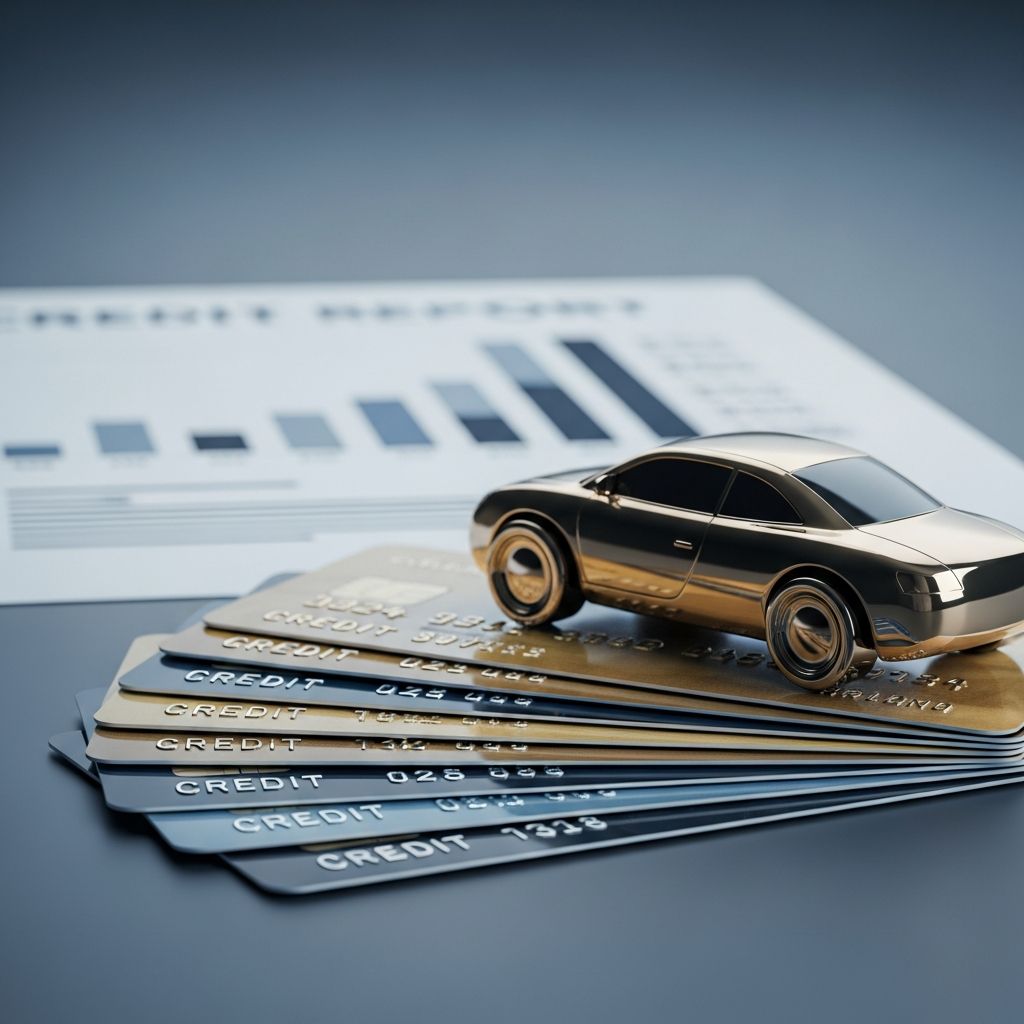
Settled vehicle financing accounts persist on credit histories for extended periods, influencing scoring models long after final payments. These closed entries provide lenders with insights into past borrowing behaviors, often benefiting scores if managed responsibly.
Duration of Closed Auto Accounts
Positive auto loan records, marked as fully paid without delinquencies, remain visible for up to a decade from the closure date. This timeframe allows the account to contribute to payment history and account age metrics continuously.
During this period, the balance displays as zero, with notations like “paid in full” or “closed positively.” Such details reassure future creditors of reliable repayment patterns.
- Positive closure: Up to 10 years post-payoff.
- No late payments required for full retention benefit.
- Supports ongoing score calculations via historical data.
Credit Scoring Factors Influenced by Paid Loans
FICO models weigh multiple elements where closed installment loans play key roles. Payment history, comprising 35% of scores, benefits most from flawless records embedded in these accounts.
| Factor | Weight | Auto Loan Impact |
|---|---|---|
| Payment History | 35% | On-time payments boost reliability perception. |
| Amounts Owed | 30% | Zero balance reduces overall debt load. |
| Length of History | 15% | Ages average account tenure positively. |
| Credit Mix | 10% | Demonstrates installment debt handling. |
| New Credit | 10% | Minimal direct effect post-closure. |
Even after payoff, the entry sustains these contributions, unlike derogatory items limited to seven years.
Short-Term Score Fluctuations After Payoff
Finalizing an auto loan often triggers minor, temporary declines in credit scores. This stems from shifts in credit mix and available accounts, as active loans signal ongoing management capability.
Credit scoring prioritizes open accounts with low utilization. Transitioning to closed status dilutes this, particularly if installment debt was scarce. Recoveries typically occur within months through consistent habits elsewhere.
- Credit mix alteration: Loss of installment variety.
- Open accounts reduction: Fewer active profiles.
- Age adjustment: Slight average dip initially.
Long-Term Advantages of Retained Paid Accounts
Beyond initial adjustments, these records fortify profiles enduringly. On-time history endures for the full 10 years, counterbalancing potential negatives and elevating eligibility for favorable terms.
Lower debt-to-income ratios post-payoff further aid lending approvals. Lenders value proven track records over isolated recent activities.
Handling Delinquent Auto Loans Differently
Accounts with missed payments follow stricter timelines. Negative statuses, including repossessions or collections, expire seven years from the first delinquency date, known as the original delinquency date.
This shorter window applies regardless of later settlements, emphasizing prevention through timely remittances.
Monitoring and Leveraging Your Credit Profile
Regular checks via annualcreditreport.com or bureau services reveal how paid loans factor into reports. Discrepancies warrant disputes to ensure accurate reflections.
To maximize benefits:
- Maintain diverse credit types.
- Keep utilization below 30% on revolving debt.
- Avoid new inquiries unnecessarily.
- Review reports quarterly for accuracy.
Strategic Decisions on Early Payoff
Accelerating payoff saves interest but may not suit all scenarios. Low-rate loans might better remain open to bolster mix, especially alongside high-interest obligations.
Evaluate total finances: Prioritize debts by rate and impact. Thin files particularly gain from sustained open installment loans.
Common Misconceptions About Closed Loans
Many assume paid accounts vanish quickly, overlooking their decade-long presence. Others fear permanent score harm from closures, ignoring rebound potentials.
Reality: Positive closures enhance profiles over time, provided overall habits remain sound.
Frequently Asked Questions
How long after payoff does an auto loan affect my score?
Up to 10 years for positive accounts, influencing history and age factors.
Why did my score drop post-payoff?
Likely due to mix or open account changes; temporary if habits persist.
Does early payoff always hurt credit?
Not always; depends on profile thickness and other debts. Often rebounds swiftly.
Can I remove a paid loan early?
No, standard retention is 10 years for positives; negatives shorter.
Should I pay off low-interest auto loans first?
Weigh against higher-rate debts and credit mix needs.
Building Stronger Credit Post-Auto Loan
After closure, focus on revolving credit stewardship. Low utilization and timely payments amplify the positive legacy of paid installments.
Consider secured cards or credit-builder loans if rebuilding. Patience yields compounding gains from historical data.
References
- How Long Does a Paid Auto Loan Remain on My Credit Report? — Experian. 2023-05-15. https://www.experian.com/blogs/ask-experian/paid-auto-loan-remains-on-credit-report/
- How Does a Car Loan Affect Your Credit Score? — LendingTree. 2024-02-20. https://www.lendingtree.com/credit-repair/how-auto-loan-affect-your-credit-score/
- Will Paying Off My Car Loan Increase My Credit Score? — Lendbuzz. 2023-11-10. https://www.lendbuzz.com/article/will-paying-off-my-car-loan-increase-my-credit-score
- Does Paying Off a Car Loan Early Hurt Your Credit? — Experian. 2024-01-08. https://www.experian.com/blogs/ask-experian/does-paying-off-a-car-loan-early-hurt-your-credit/
- Does Paying Off a Car Loan Early Hurt Credit? — Capital One. 2023-09-12. https://www.capitalone.com/learn-grow/money-management/does-paying-off-a-car-loan-early-hurt-credit/
Similar Articles








Read full bio of medha deb