P2P Payments: 4 Top Apps, Fees, And Safety Tips
Unlock the essentials of peer-to-peer payments: how they simplify money transfers, top apps compared, and smart safety tips for everyday use.
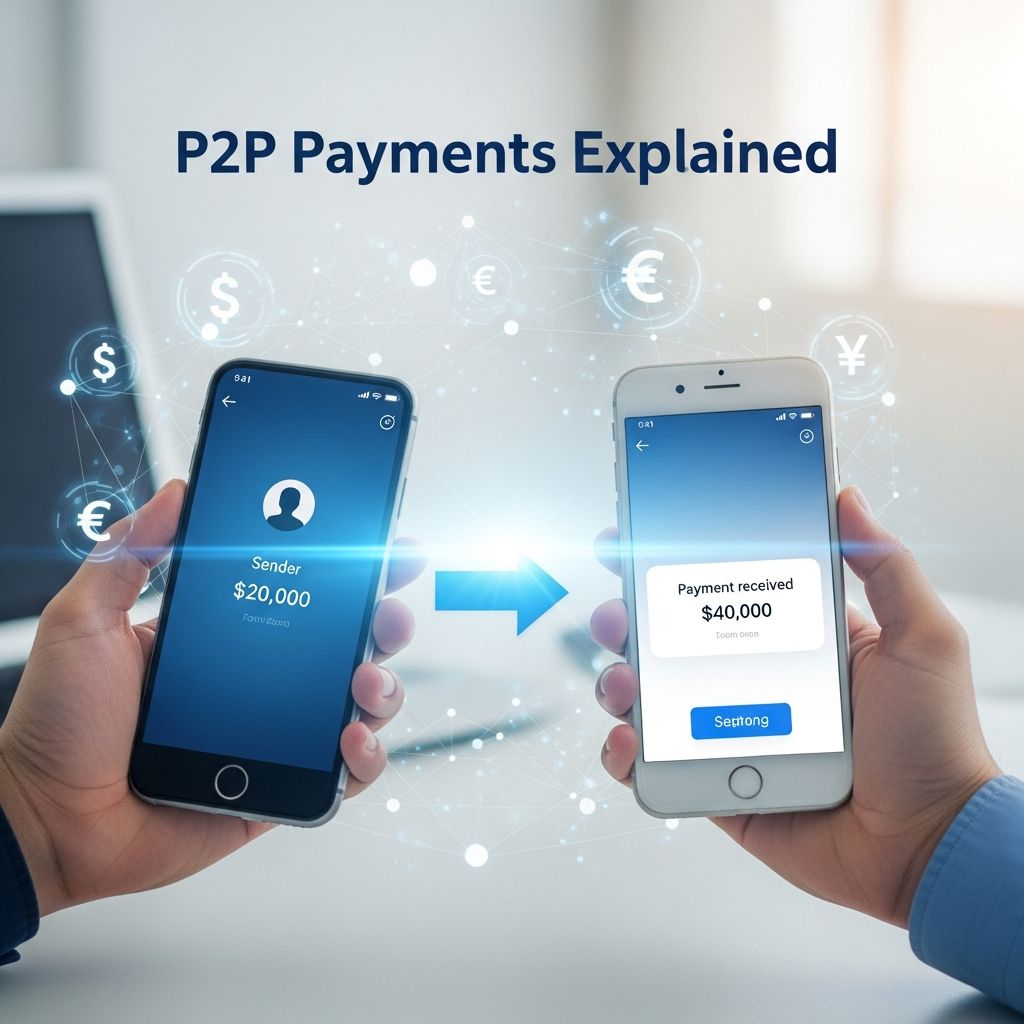
Peer-to-peer (P2P) payments have revolutionized how individuals exchange money, offering a swift alternative to cash, checks, or traditional bank wires. These digital services enable direct transfers between personal accounts via mobile apps or websites, eliminating the need for physical intermediaries.
Understanding the Fundamentals of P2P Transactions
At its core, a P2P payment involves two individuals transferring funds electronically without involving a central bank intermediary for the exchange itself. Users link their bank accounts, debit cards, or sometimes credit cards to a third-party platform, which then facilitates the movement of money using identifiers like email addresses or phone numbers. This process ensures privacy, as full banking details remain hidden from the recipient.
The rise of P2P systems stems from the demand for convenience in everyday scenarios, such as reimbursing a friend for dinner or sending allowance to family. In 2019, these services processed billions in transactions, with growth accelerating due to smartphone penetration and real-time processing capabilities. Unlike older methods like money orders or checks, which can take days to clear, P2P often delivers funds instantly or within hours.
Step-by-Step: Setting Up and Executing a P2P Transfer
Getting started with P2P payments is straightforward and typically free for basic use. Begin by downloading the app from your device’s store and creating an account with your email or phone number. Next, verify your identity—many platforms require this for security—and link a funding source.
- Link accounts: Connect a checking account via account and routing numbers, or add a debit/credit card. Bank-linked transfers are usually fee-free.
- Locate recipient: Search by their registered email, phone, or unique username within the app.
- Enter details: Input the amount, add an optional note or emoji for social features in apps like Venmo, and review.
- Confirm and send: Authenticate with a PIN, biometrics, or two-factor code. Funds move from your source to their account or linked bank.
Recipients can then hold the balance in the app’s digital wallet, spend it where accepted, or transfer to their bank. Standard transfers take 1-3 business days at no cost, while instant options incur small fees. Daily and weekly limits apply to prevent abuse, varying by provider and verification level.
Popular P2P Platforms: Features and Comparisons
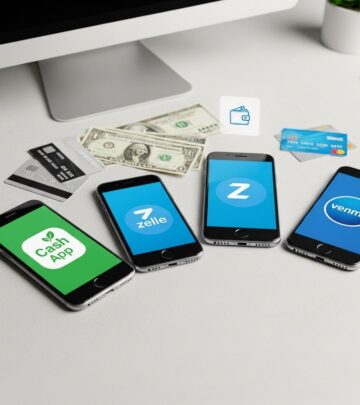
Several apps dominate the market, each tailored to specific needs. Zelle stands out for bank-integrated speed, while Venmo excels in social sharing.
| Platform | Best For | Transfer Speed | Instant Fee | International? |
|---|---|---|---|---|
| Zelle | Bank-direct transfers | Same day/instant | None | No (U.S. only) |
| Venmo | Social payments with friends | 1-3 days standard | 1.75% ($0.25-$25) | No |
| Cash App | Investing balance | 1-3 days | 0.5%-1.75% | Limited |
| PayPal | Goods/services & global | Instant available | 2.99% for goods | Yes |
Zelle, embedded in apps from major banks like Chase and Bank of America, prioritizes speed with transfers often completing in minutes directly between accounts. Venmo, owned by PayPal, adds flair with public feeds and emojis, ideal for casual splits. Cash App offers extras like stock trading, and PayPal supports broader e-commerce. Note: Credit card funding typically adds 3% fees across platforms.
Costs Associated with P2P Services
Most P2P transfers are free when using linked bank accounts or debits for personal use. Fees arise in these cases:
- Instant deposits: 1-2% to move funds to your bank immediately.
- Credit card sends: 3% or more, as it’s treated like a cash advance.
- Goods/services: Platforms like PayPal charge 2.99% for buyer/seller protection.
- International: Higher rates or unavailability for many apps.
Always check limits: Zelle caps at $500-$2,500 daily depending on your bank, while Venmo allows up to $60,000 weekly for verified users.
Security Measures Protecting Your P2P Transactions
P2P apps employ robust defenses against fraud. Encryption scrambles data in transit, while SSL certificates verify site authenticity. Multi-factor authentication (MFA), biometrics like fingerprints, and transaction alerts add layers.
Tokenization replaces sensitive card details with unique codes, and AI monitors for anomalies. Blockchain in some newer features enhances traceability. Users must enable PINs, avoid public Wi-Fi, and never share login info.
Common Pitfalls and Scam Prevention Strategies
Despite safeguards, P2P scams proliferate—fake invoices, overpayment tricks, or phishing for credentials. The American Bankers Association warns against unsolicited requests.
- Verify recipients personally before sending.
- Use privacy settings to hide transactions.
- Report suspicious activity immediately.
- Irreversible transfers mean no recourse for mistakes.
Compare to traditional methods: Checks bounce, cash gets lost—P2P reduces these but demands vigilance.
Real-World Applications and Benefits
P2P shines in group expenses, rent shares, or emergencies. Real-time options like those in newer apps provide instant access, outpacing ACH wires. Businesses increasingly accept them for small vendors.
Drawbacks include no built-in dispute resolution for personal sends and dependency on app uptime. Still, adoption surges, with forecasts of continued expansion.
Choosing the Right P2P App for Your Needs
Select based on your bank (for Zelle), social preferences (Venmo), or extras like crypto (Cash App). Test with small amounts first.
Frequently Asked Questions (FAQs)
What is a P2P payment?
A direct digital money transfer between individuals via an app, using email/phone instead of account numbers.
Are P2P payments safe?
Yes, with encryption, MFA, and fraud detection, but only send to trusted people.
How long do P2P transfers take?
Instant to 3 days; bank-direct like Zelle is fastest.
Do P2P apps charge fees?
Usually free for standard bank transfers; fees for instant or credit card use.
Can I use P2P for international sends?
Limited; PayPal excels here, others are U.S.-focused.
References
- What Are Peer-To-Peer (P2P) Payments? — Bankrate. 2023. https://www.bankrate.com/banking/checking/what-are-p2p-payments/
- What Is Peer-To-Peer (P2P) Payment — PayPal US. 2023. https://www.paypal.com/us/money-hub/article/what-are-p2p-payments
- What is P2P Payment and How Does It Work — Chase Bank. 2023. https://www.chase.com/personal/banking/education/basics/p2p-payments
- Peer-to-Peer (P2P) Payment Services — St. Louis Fed. 2020-04-01. https://www.stlouisfed.org/publications/page-one-economics/2020/04/01/peer-to-peer-p2p-payment-services
- What Are Peer-to-Peer Payments? — NerdWallet. 2023. https://www.nerdwallet.com/banking/learn/p2p-payment-systems
- What Is A P2P Payment System & How Does It Work? — Western Union. 2023. https://www.westernunion.com/blog/en/gb/what-is-a-p2p-payment-system-how-does-it-work/
- Peer to Peer Payment Scams — American Bankers Association. 2023. https://www.aba.com/advocacy/community-programs/consumer-resources/protect-your-money/peer-to-peer-payment-scams
Similar Articles








Read full bio of medha deb