Overpaying Your Credit Card: Effects and Solutions
Discover what occurs when you overpay your credit card, from negative balances to credit score impacts and smart recovery steps.

Overpaying a credit card happens more often than many realize, resulting in a negative balance that shifts your account dynamics. This guide examines the mechanics, implications for your finances and credit profile, associated risks, and actionable strategies to address it.
Understanding Negative Balances on Credit Cards
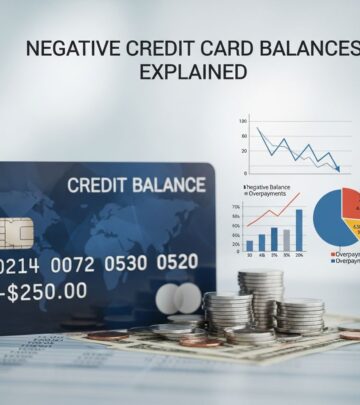
A negative balance emerges when payments or credits surpass your outstanding debt, effectively making the issuer owe you money. For instance, if your balance stands at $500 and you pay $700, a -$200 credit appears on your account. This credit applies automatically to future charges as a statement credit, per federal regulations ensuring consumer protection.
Credit card statements close on a fixed monthly date, capturing the balance at that snapshot. Overpayments often stem from timing mismatches, such as payments processed post-statement or credits applied unexpectedly. This negative status persists until offset by new spending or a refund request.
- Payment errors: Entering an incorrect amount during online or phone payments.
- Merchant refunds: Returns after full balance payment create excess credits.
- Rewards redemptions: Points or cash-back converted to statement credits post-payment.
- Multiple accounts mix-up: Directing funds to the wrong card among several held.
Financial Implications of Excess Payments
While not punitive, overpaying ties up personal funds in the issuer’s account without generating interest for you. Unlike savings accounts, credit balances earn no yield, representing opportunity cost—funds that could earn returns elsewhere or cover immediate needs.
Issuers typically cap overpayment amounts to mitigate risks, preventing large credits from accumulating indefinitely. Requesting refunds restores liquidity, though processing times vary from days to weeks based on the provider’s policies.
| Scenario | Immediate Effect | Long-term Impact |
|---|---|---|
| Small overpayment ($50) | Minor credit on next statement | Negligible; quick offset by spending |
| Large overpayment ($1,000+) | Capped or flagged by issuer | Refund recommended to free funds |
| Recurring rewards credit | Automatic negative balance | Boosts available credit temporarily |
Credit Score Dynamics with Overpayments
Overpaying influences credit utilization, a key factor comprising about 30% of FICO scores. Utilization measures debt against credit limits; lower ratios signal responsible habits. A negative balance reports as zero utilization, potentially elevating scores if previously high.
However, this boost is indirect and temporary—overpayment alone does not construct credit history or payment record strength. Consistent on-time payments and balanced usage drive sustained improvements. Negative balances do not harm scores, as they reflect prudent overpayment rather than delinquency.
Key considerations:
- Balances report at statement closing; timing affects score updates.
- Zero or negative utilization may not confer extra benefits beyond 1-10% ratios.
- No direct limit increases from overpayments; approvals hinge on income, history, and inquiries.
Potential Risks and Downsides
Though benign, overpayments carry vulnerabilities. A primary concern is fraud: thieves accessing a negative balance could spend the credit, amplifying losses beyond owed amounts. Prompt monitoring via apps or alerts mitigates this.
Refund delays hinder cash flow, especially for larger sums. Some issuers apply credits to future bills without notice, prolonging access. Rare cases involve account restrictions on excessive credits to curb abuse.
Steps to Recover Overpaid Funds
Addressing an overpayment starts with account review. Log into your online portal or app to confirm the negative balance.
- Contact customer service: Call the number on your card or statement; provide account details and request refund via check, direct deposit, or account transfer.
- Specify method: Opt for fastest option; electronic transfers process quickest.
- Document interaction: Note reference numbers, agent names, and promised timelines.
- Follow up: If not received within stated period, escalate to supervisor or dispute team.
Alternatively, spend down the credit strategically on essentials, preserving cash reserves. Autopay setups for minimum or full balances prevent manual errors.
Prevention Strategies for Future Accuracy
Avoiding overpayments enhances control. Implement these habits:
- Verify balances before payments using apps for real-time views.
- Schedule payments post-statement to align with closing dates.
- Use autopay for minimums, manually paying excesses.
- Track rewards and refunds separately from bill pays.
- Label multiple cards distinctly in payment apps.
Common Myths About Credit Card Overpayments
Misconceptions abound. One claims overpaying directly raises limits—no, issuers evaluate separately. Another suggests score harm—false, as negatives are neutral-positive. Prepaying debt intentionally yields no extra rewards unless promotional.
FAQ
Is overpaying my credit card ever beneficial?
It can temporarily lower utilization for score gains but offers no interest or limit boosts. Best for accidental cases offset by spending.
How long does a refund take after overpayment?
Typically 3-10 business days for electronic; checks may take 2 weeks. Varies by issuer.
Does a negative balance affect my credit limit?
No, limits remain fixed; the credit acts as prepaid spending power.
Can overpaying trigger account closure?
Rarely, only if excessive or patterned suspiciously; standard overpayments are fine.
Should I overpay to build credit?
No, focus on timely payments and low utilization through regular use.
Advanced Management Tips
For multi-card holders, consolidate views via aggregators tracking all balances. Set calendar reminders around statement dates. Explore cards with auto-reward optimizations to predict credits. In debt payoff phases, channel extras to high-interest accounts, not overpayments.
Regulatory backing ensures refunds; the Fair Credit Billing Act mandates prompt handling of overpayments. Stay informed via issuer terms and CFPB resources.
References
- Credit Card Account Terms and Overpayment Policies — Consumer Financial Protection Bureau (CFPB). 2024-01-15. https://www.consumerfinance.gov/rules-policy/regulations/1002/
- Fair Credit Billing Act Summary — Federal Trade Commission (FTC). 2023-11-20. https://www.ftc.gov/legal-library/browse/statutes/fair-credit-billing-act
- Credit Utilization and FICO Score Factors — FICO Corporation. 2025-02-01. https://www.fico.com/en/products/fico-score
- Consumer Credit Card Guides — Federal Reserve Board. 2024-06-10. https://www.federalreserve.gov/consumer-credit-credit-cards.htm
- Overpayment Handling in Banking — American Bankers Association. 2024-09-05. https://www.aba.com/banking-topics/consumer-protection/credit-cards
Similar Articles








Read full bio of Sneha Tete