Overcome Credit Card Denials: Approval Strategies
Discover proven steps to boost your chances of credit card approval and avoid common pitfalls that lead to rejections.
Getting denied for a credit card can feel discouraging, but it’s a common hurdle that many people face. The good news is that understanding the key factors lenders evaluate and taking targeted actions can dramatically improve your odds of success. This guide outlines practical, step-by-step approaches to strengthen your application, drawing from established financial practices.
Understand Why Applications Get Rejected
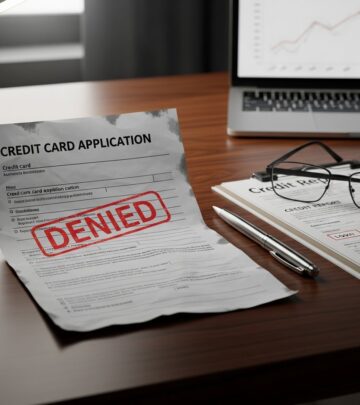
Credit card issuers assess risk before approving new accounts. Primary reasons for denial include low credit scores, high debt levels, recent multiple inquiries, incomplete credit history, or inaccuracies on reports. For instance, too many applications in a short period signal desperation to lenders, temporarily lowering your score by 5-10 points per hard inquiry.
High utilization—using more than 30% of available credit—also raises red flags, as it suggests over-reliance on borrowing. By addressing these issues proactively, applicants can position themselves favorably.
Assess Your Current Financial Profile
Start by reviewing your credit standing. Obtain free weekly reports from AnnualCreditReport.com, the official U.S. government site authorized by federal law. Check all three bureaus—Equifax, Experian, and TransUnion—for discrepancies like wrong personal details, outdated accounts, or fraudulent activity.
- Dispute errors online or by mail; most resolve within 30 days.
- Calculate your score using free tools from banks or services like Credit Karma, though official FICO scores from myFICO provide the most accuracy.
- Track utilization: Aim for under 30% across all cards.
Knowing your profile prevents surprises and allows targeted improvements.
Match Cards to Your Credit Level
Not all cards suit every profile. Issuers target specific ranges: excellent (740+), good (670-739), fair (630-669), or poor (below 630). Applying mismatched leads to automatic denials.
| Credit Range | Suitable Card Types | Example Benefits |
|---|---|---|
| Excellent (740+) | Premium rewards, travel | High sign-up bonuses, lounge access |
| Good (670-739) | Cash back, no-fee | 2-5% rewards on categories |
| Fair (630-669) | Secured, starter | Build history with deposit |
| Poor (<630) | Secured, co-signed | Path to unsecured upgrade |
For fair credit, cards like those from Capital One cater to scores around 630-689, offering cash rewards while rebuilding.
Time Your Applications Strategically
Issuers track recent activity. Chase’s 5/24 rule denies if you’ve opened 5+ cards from any bank in 24 months. Capital One limits approvals to one every 6 months and scrutinizes inquiries across bureaus.
- Space applications 3-6 months apart to minimize inquiry impact.
- Prioritize banks with looser rules early in your journey.
- Use pre-qualification tools: American Express’s ‘Apply with Confidence’ checks eligibility without a hard pull.
Bank relationships help—apply at your current institution for better odds, as they view you as a known customer.
Build and Diversify Your Credit Mix
A robust history boosts scores. FICO weighs payment history (35%), amounts owed (30%), length (15%), new credit (10%), and mix (10%).
Start early but responsibly: Students or young adults benefit from starter cards. Maintain old accounts open to preserve average age.
- Diversify: Combine revolving (cards) and installment (loans) debt.
- Pay on time every month—set autopay.
- Keep utilization low by requesting limit increases after 6 months of good behavior.
Options for Thin or Damaged Credit
With limited history, secured cards require a refundable deposit matching your limit, typically $200-$500. Responsible use (6-12 months) often leads to unsecured upgrades and score gains of 50+ points.
Co-signers share responsibility; their strong profile offsets yours. Alternatively, become an authorized user on a family member’s card with good standing—benefits piggyback without liability.
Leverage Bank-Specific Perks
Existing customers fare better. Credit unions often approve loyal members over flashy bank offers due to relationship focus. Chase boosts odds for Sapphire cards if you hold a checking account with $250+ balance.
Plan sequences: Secure Chase cards under 5/24, then Capital One (one per 6 months), avoiding inquiry spikes.
Common Pitfalls to Avoid
Beyond basics, watch for:
- Closing old cards: Hurts history length and utilization.
- Ignoring soft pulls: Use them for pre-approvals.
- High debt-to-income: Pay down before applying.
- Frequent churn: Focus on long-term value over bonuses.
Long-Term Credit Health Plan
Set 2026 goals: Travel rewards? 0% APR for purchases? Cash back? Align cards accordingly. Inventory annually—keep high-value, cancel low-use to optimize scores.
Monitor progress quarterly. Consistent habits yield compounding benefits, like premium approvals in 1-2 years.
Frequently Asked Questions
How long after denial can I reapply?
Wait 30 days minimum; ideally 3-6 months after fixes. Some issuers like Capital One enforce 6-month gaps.
Does checking my own score hurt it?
No—soft inquiries don’t affect scores. Only lender hard pulls do.
Can I get approved with no credit history?
Yes, via secured cards or authorized user status. Build from there.
What if all bureaus differ?
Capital One pulls all three—unfreeze if needed. Lenders vary by bureau.
Are credit builder loans worth it?
Yes, they diversify mix and report positive payments.
References
- 10 Tips for Getting Your Credit Card Application Approved — NerdWallet. 2023-10-15. https://www.nerdwallet.com/credit-cards/learn/10-tips-credit-card-application-approved
- Credit Card Application Rules, Bank by Bank (2026) — Thrifty Traveler. 2026-01-01. https://thriftytraveler.com/guides/credit-card/credit-card-application-rules/
- The Optimal Order For Getting New Credit Cards (2026) — YouTube (Thrifty Traveler). 2026-02-15. https://www.youtube.com/watch?v=DHoZPOyw1Yg
- How to choose your best credit card strategy for 2026 — The Points Guy. 2025-12-20. https://thepointsguy.com/credit-cards/new-year-credit-card-inventory-strategies/
- AnnualCreditReport.com — Federal Trade Commission (.gov). Accessed 2026. https://www.annualcreditreport.com
Similar Articles








Read full bio of medha deb