Over-Under Bet: Definition, How It Works & Examples
Master over-under betting: Learn how totals work, strategies, and how to place winning wagers.

What Is an Over-Under Bet?
An over-under bet, commonly referred to as a total, is one of the most popular wagering options in sports betting. This type of wager allows bettors to predict whether the combined score of both teams in a sporting event will exceed or fall short of a number set by oddsmakers. Rather than betting on which team will win, over-under bets focus on the total offensive output of both squads combined, making it an attractive option for fans who want to engage with the game’s flow rather than just the final outcome.
The mechanics are straightforward: oddsmakers establish a projected total for a game, and bettors choose whether the final combined score will go “over” that number (meaning the total will be higher) or “under” that number (meaning the total will be lower). This betting format is available across virtually all major sports leagues, including the NFL, NBA, MLB, and NHL, as well as college sports and international competitions.
Understanding the Basics of Over-Under Betting
To successfully engage in over-under betting, it’s essential to understand the fundamental components that make up these wagers. The total represents the combined points, runs, goals, or whatever scoring metric applies to the specific sport. For instance, in the NFL, a total might be set at 47.5 points, meaning bettors predict whether both teams will combine to score more or fewer than that amount.
One critical aspect of over-under betting is the use of half-point increments. Sportsbooks deliberately use half-points (such as 47.5 rather than 47) to eliminate the possibility of a push—a situation where the final score exactly matches the total. This ensures that every bet has a clear winner or loser, with the exception of extremely rare circumstances where a sportsbook explicitly allows for pushes.
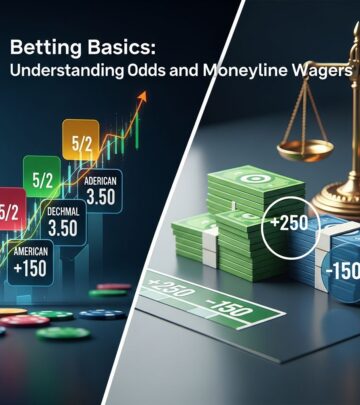
The odds on over-under bets are typically presented as -110 on both sides, though this can vary. The -110 designation means you must wager $110 to win $100, representing the sportsbook’s commission, known as the “vig” or “juice.”
How Are Over-Under Lines Set?
Oddsmakers employ a sophisticated methodology when establishing over-under lines, analyzing numerous variables and historical data points. The process begins with an assessment of each team’s offensive and defensive efficiency—their ability to score and their ability to prevent opponents from scoring. Oddsmakers also consider the pace of play, examining whether teams tend to play fast-paced, high-scoring games or slower, more defensive contests.
Additional factors influencing line-setting include:
- Player availability and recent injuries affecting key offensive or defensive players
- Recent performance trends of both teams
- Head-to-head historical matchups
- Home or away status, as some teams perform significantly differently at home
- Weather conditions for outdoor sports
- Team motivation and playoff implications
Each sport has unique considerations that affect totals. In football, weather conditions play a substantial role, with wind and rain potentially decreasing the total. In basketball, the introduction of specific teams with high-octane offenses can push totals significantly higher. Baseball totals are influenced by ballpark dimensions, weather, and pitcher matchups. By synthesizing all this information, oddsmakers create an initial line they believe will attract balanced action from bettors on both sides.
The Role of Vig in Over-Under Betting
Vig, short for “vigorish,” represents the sportsbook’s built-in profit margin on each wager. Understanding how to calculate vig helps bettors recognize the true value embedded in any bet. On most over-under wagers, the vig is equally distributed at -110 on both the Over and Under.
To calculate the vig percentage on a -110 line:
- Convert each side to implied probability: 110 / (110 + 100) × 100 = 52.38%
- Add both sides: 52.38% + 52.38% = 104.76%
- Subtract 100%: 104.76% – 100% = 4.76% vig
This means that in a perfectly balanced market with -110 odds on both sides, the sportsbook has a built-in advantage of approximately 4.76%. The vig varies across different sportsbooks, sports, and market conditions, so it’s worth comparing odds across multiple platforms before placing larger wagers.
How to Place an Over-Under Bet
Placing an over-under bet is a straightforward process that can be completed in just a few steps through any legitimate sportsbook:
Step 1: Access Your Sportsbook and Select the Game
Open your preferred sportsbook app or website and navigate to the sport and league you’re interested in. Find the specific matchup for which you want to place an over-under bet.
Step 2: Locate the Totals (Over-Under) Market
Within the game’s betting options, look for the “Totals,” “O/U,” or “Over-Under” market. You’ll see a specific number displayed (such as 47.5) along with the odds for both the Over and Under options.
Step 3: Choose Your Side
Select whether you believe the final score will go over or under the posted total. Consider your analysis of both teams’ offensive and defensive capabilities before making your selection.
Step 4: Enter Your Stake and Review
Input the amount of money you wish to wager. The sportsbook will automatically calculate your potential payout based on the odds. Carefully review your bet slip to ensure you’ve selected the correct game, the right total number, and your chosen side.
Step 5: Confirm and Track Your Bet
Submit your wager by confirming on the app or website. Your bet will appear in your “Open Bets” or “Active Wagers” section, where you can monitor its status in real-time as the game progresses.
Over-Under Betting Examples Across Sports
NFL Example
Suppose an NFL game has an over-under total of 47.5 with -110 odds on both sides. If you wager $110 on the Over, you’re predicting that both teams will combine to score 48 or more points. If the final score is 24-21 (45 points total), your bet loses. However, if the final score is 27-21 (48 points), your Over bet wins, and you collect $210 total ($100 profit plus your $110 wager).
NBA Example
In basketball, totals are much higher. A game between the Lakers and Clippers might have a total of 222.5 points. An Over bettor predicts 223 or more combined points, while an Under bettor predicts 222 or fewer. Given basketball’s higher scoring, these totals fluctuate more dramatically based on team composition and playing styles.
MLB Example
Baseball totals are expressed in runs rather than points. A game might have a total of 7.5 runs. The vig can vary significantly—the Over might be -120 (requiring a $120 wager to win $100) while the Under is -100, reflecting the sportsbook’s assessment of probable outcomes based on the pitchers involved and ballpark factors.
Why Do Over-Under Lines Move?
Over-under totals are not static; they frequently shift as new information emerges or as betting patterns develop. Understanding what drives these movements helps bettors identify value opportunities.
Injury Announcements
When a star quarterback, top scorer, or critical defensive player is ruled out, sportsbooks typically lower the total, anticipating reduced offensive output. Conversely, the return of key players can push totals higher.
Weather Updates
For outdoor sports like football and baseball, weather forecasts significantly impact totals. Strong winds, heavy rain, and snow typically push totals lower, as these conditions inhibit offensive performance. Extreme heat can also affect scoring patterns.
Betting Action and Public Trends
Sportsbooks monitor where the money is flowing. If a majority of bettors are wagering on the Over, the sportsbook may increase the total slightly to attract contrarian bets on the Under. This movement protects the sportsbook’s profit margin by balancing liability on both sides.
Line Shopping and Market Discrepancies
Different sportsbooks may open at slightly different totals or adjust their lines at different times. Sharp bettors exploit these discrepancies by comparing lines across multiple platforms, seeking the best possible number for their side.
Overtime and Other Special Circumstances
In most sports, any points or goals scored during overtime count toward the over-under total unless explicitly stated otherwise. This provision is crucial because overtime can dramatically shift the outcome of close totals. For example, an NFL game that appeared headed for an Under result might extend to overtime, allowing both teams to score additional points that push the total Over.
In some sports like soccer, special circumstances apply. Regulation time typically includes the standard 90 minutes plus stoppage time, but the total might not include extra time or penalty shootouts, depending on the specific bet specifications. Always read the fine print when placing wagers to understand exactly what’s included in the total.
Understanding Pushes
A push occurs when the final combined score exactly matches the posted over-under total. When this happens, the bet is refunded in full—no money is won or lost. By using half-point increments in their totals, sportsbooks have effectively eliminated the possibility of pushes on standard wagers. However, alternative totals or prop bets might not include half-points, making pushes more possible on those markets.
Advanced Over-Under Strategies
Analyzing Pace and Efficiency
Successful over-under bettors go beyond the sportsbook’s line and develop their own projections. By analyzing each team’s pace (how fast they play) and efficiency (points per possession), bettors can identify when the oddsmakers have mispriced the total.
Tracking Weather and Conditions
For football and baseball games, creating a weather tracking system helps identify when adverse conditions might affect scoring. Professional bettors often shade their totals downward when severe weather is forecast.
Monitoring Line Movement
Sharp money often moves lines before the general public notices. By observing significant line movements, bettors can identify where professional oddsmakers believe value exists.
Frequently Asked Questions
What does “push” mean in over-under betting?
A push occurs when the final combined score equals exactly the posted over-under total. In this case, all bets are refunded in full, and no money is won or lost. Sportsbooks use half-point totals specifically to prevent pushes.
How do I read over-under odds?
Over-under odds are typically displayed as -110 on both sides, meaning you must wager $110 to win $100. Odds can vary, so higher numbers like -120 mean you need to wager more to win the same amount, while lower numbers like -105 mean better payouts.
Do overtime points count toward the over-under total?
Yes, in most sports, points scored during overtime count toward the over-under total unless the bet explicitly states otherwise. This can significantly affect close totals, especially in sports where overtime is common.
Why do different sportsbooks have different totals for the same game?
Different sportsbooks adjust their totals based on the volume and direction of betting they receive. As one sportsbook receives heavy action on the Over, they may increase the total to attract Under bettors, while another book might maintain a different number.
Can I bet on alternative totals?
Yes, most sportsbooks offer alternative over-under totals in addition to the standard line. These alternative lines offer different odds and allow bettors to adjust the total higher or lower based on their assessment of the game.
What is the vig and how does it affect my winnings?
The vig (vigorish) is the sportsbook’s commission, typically built into odds at -110 on both sides of an over-under bet. This represents approximately 4.76% house advantage and directly reduces your winnings compared to true even money odds.
References
- Over/Under Totals Betting — FOX Sports. 2024. https://www.foxsports.com/stories/betting/over-under-totals-betting
- What is Over/Under Betting? How to Bet on Totals Explained — Covers. 2024. https://www.covers.com/guides/over-under-totals-betting
- Sports Betting Odds: Understanding the Math Behind the Lines — National Council on Problem Gambling. 2023. https://www.ncpg.org/
- The Complete Guide to Sports Betting Terminology — American Gaming Association. 2024. https://www.americangaming.org/
Similar Articles








Read full bio of medha deb