You Can Work Out for Free Using Outdoor Fitness Equipment
Discover free outdoor fitness stations in parks that offer gym-quality workouts, saving you hundreds on memberships while boosting health and mood.
This Alternative to Pricy Gym Memberships Can Help You Keep Fit for Free
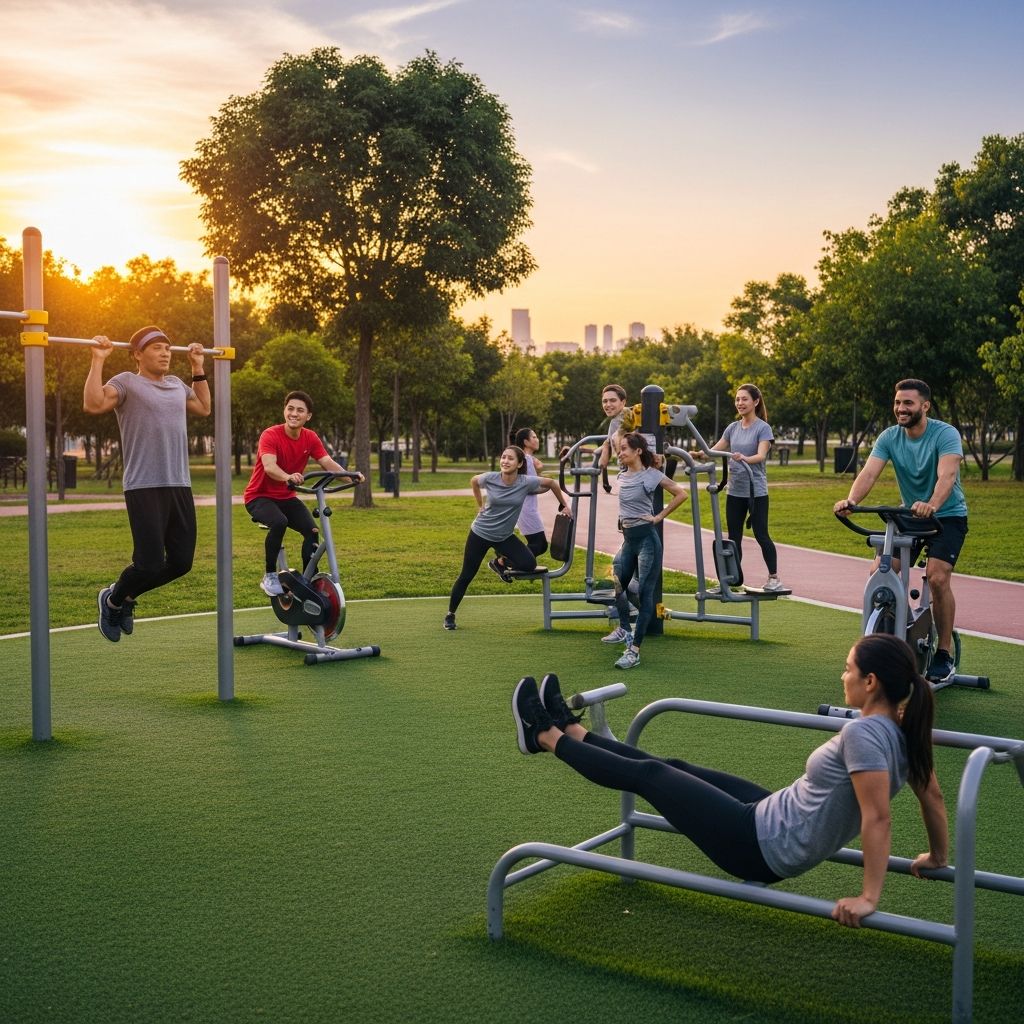
Gym memberships aren’t cheap. Enrollment fees, monthly dues averaging $10 to $100 or more, and hidden costs like annual fees make staying fit feel like a financial burden heavier than any dumbbell. But there’s a better way: free outdoor fitness equipment installed in public parks across the country. These stations feature bodyweight resistance machines designed for total-body workouts, often overlooked by passersby who don’t know how to use them.
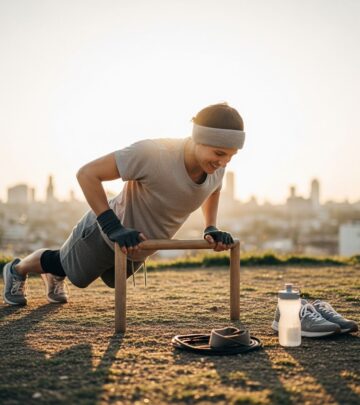
Unlike gym machines with weight plates, park equipment relies on your body weight for resistance, providing effective strength training without the sweat (or cost) of a membership. Exercising outdoors also reduces stress from desk-bound days, combining fresh air, sunlight, and movement for superior mental health benefits compared to indoor gyms. Not sure if there’s a station near you? Use online databases like the National Recreation and Park Association’s locator to find one.
Yes, You Really Can Work Out For Free
We consulted Noel Duran, a certified personal trainer from Tampa, Florida, with years of experience designing efficient routines. He crafted a high-intensity, total-body circuit you can complete in 30 minutes or less using standard park fitness stations. This workout targets legs, chest, core, back, and cardio—no gym required.
Important Prep: Always warm up with a 5-minute light jog to prevent injury and prepare your muscles. Hydrate, wear supportive shoes, and listen to your body. Repeat the full circuit twice with 1-2 minutes rest between rounds for optimal results.
Exercise No. 1: Walking Lunges
Start with bodyweight walking lunges, a foundational lower-body move that builds quads, glutes, hamstrings, and balance. Step forward into a lunge, ensuring your front thigh is parallel to the ground (90-degree knee angle) and back knee hovers just above the surface. Push through your front heel to return to standing, then alternate legs. Keep your torso upright and core engaged to avoid strain.
- Number of reps: 12 per leg (24 total)
- Target muscles: Quads, glutes, hamstrings, core
- Benefits: Improves leg strength, mobility, and coordination
Modification for Beginners: Use a park bench for step-ups. Step onto the bench with one foot, drive through your heel to stand tall, then step down. Do 12 reps per leg. Higher benches increase intensity; lower ones ease in newbies.
Exercise No. 2: Bench Press With Body Weight
Move to the park’s chest press machine (often called bench press station). Grip the handles with arms close to your sides, palms facing away. Exhale as you push handles forward, squeezing your pectoral (chest) muscles at full extension. Inhale slowly as you return to start, maintaining control—no locking elbows.
- Number of reps: 12
- Target muscles: Chest, shoulders, triceps
- Benefits: Builds upper-body pushing strength, mimicking gym bench presses
Modification: Standing push-ups against the machine for stability. Place hands on handles at chest height, feet shoulder-width. Bend elbows to 90 degrees lowering your chest, then push up. Feet forward = easier; feet back = harder. Aim for 12 reps.
Exercise No. 3: Lat Pull-Down or Row
Locate the lat pull-down or rowing station, common in parks for back development. Sit or stand gripping the high bar, pull down toward your chest while squeezing shoulder blades together. For rows, pull handles toward your torso from a seated position. Slow negatives (return phase) maximize muscle engagement.
- Number of reps: 12
- Target muscles: Upper back, lats, biceps, rear shoulders
- Benefits: Counters desk posture hunch, strengthens pulling muscles
Modification: Assisted rows: Use lighter resistance by leaning back slightly or doing inverted rows under a low bar if available.
Exercise No. 4: Plank
Transition to the core station or ground for planks. From forearm plank position, body forms a straight line from head to heels. Engage abs, glutes, and quads; don’t let hips sag or pike up. Breathe steadily—it’s tougher than it looks!
- Hold time: 30-60 seconds
- Target muscles: Entire core (abs, obliques, transverse abdominis), shoulders
- Benefits: Enhances stability, posture, and injury prevention
Modification: Bent-knee plank: Drop knees to ground for support while keeping upper body aligned. Build up hold time gradually.
Exercise No. 5: 30-Second Sprint on the Elliptical
Finish strong on the park elliptical or air bike. Pedal or stride at maximum sustainable speed for 30 seconds, driving arms and legs vigorously to spike heart rate. This HIIT finisher torches calories and boosts endurance.
- Duration: 30 seconds all-out
- Target: Cardio system, full body
- Benefits: Improves VO2 max, fat burning post-workout
Great job! Rest minimally, repeat the circuit twice. Scale intensity by adding reps or slowing tempos for strength focus. Track progress weekly to stay motivated.
How Much Money You’ll Save by Taking Advantage of Public Fitness Stations
Ditching gym memberships for park workouts unlocks serious savings. Basic chains like Crunch Fitness or Anytime Fitness charge $10-$30 monthly, while premium or urban spots like New York YMCA exceed $100—excluding enrollment fees up to $100+. Over a year, that’s $120-$1,200+ back in your pocket.
| Gym Type | Avg. Monthly Cost | Annual Savings (Park Workout) |
|---|---|---|
| Budget Chain (e.g., Planet Fitness) | $10-$20 | $120-$240 |
| Mid-Tier (e.g., Anytime Fitness) | $30-$50 | $360-$600 |
| Premium/Urban (e.g., YMCA NYC) | $80-$120+ | $960-$1,440+ |
Redirect savings to debt payoff, emergency funds, or fun. But the real win? Holistic benefits beyond aesthetics. Duran emphasizes: “There’s usually something deeper motivating you. Working out boosts mood, overall well-being, and mental health—don’t just focus on physical looks.” Studies confirm outdoor exercise elevates endorphins more than indoor equivalents.
Benefits Beyond Savings: Why Outdoor Workouts Win
Park fitness isn’t just free—it’s superior for many. Vitamin D from sunlight aids bone health and immunity. Nature exposure lowers cortisol (stress hormone) by 20-30%, per environmental psychology research. Varied equipment prevents workout boredom, promoting consistency. Community vibe fosters accountability; spot others and build motivation.
Safety tips: Inspect equipment for wear, use during daylight, go with a buddy if possible. Weather-proof your routine—rainy days mean indoor bodyweight alternatives like burpees or wall sits.
Building a Weekly Routine
Sample 4-day split:
- Monday/Wednesday: Full circuit (above) x2
- Tuesday/Thursday: Focus lower body—lunges, squats on leg press station, calf raises
- Friday: Upper body + core emphasis
- Weekend: Active recovery walks or yoga in the park
Progress by increasing reps, holds, or speed. Combine with nutrition for best results—fuel with whole foods, stay hydrated.
Frequently Asked Questions (FAQs)
Q: Is outdoor fitness equipment safe for beginners?
A: Yes, with modifications and proper form. Start slow, watch tutorials, and consult a doctor if you have health concerns. Equipment is designed for all levels.
Q: How often should I use park stations?
A: 3-5 days/week for 20-45 minutes. Include rest days to recover and avoid burnout.
Q: What if my park lacks certain machines?
A: Substitute with bodyweight: e.g., pull-up bar for rows, ground for planks. Creativity keeps it free.
Q: Can these workouts build muscle like a gym?
A: Absolutely—bodyweight resistance grows strength via progressive overload. Advanced users add jumps or single-limb variations.
Q: Are there outdoor stations everywhere?
A: Most U.S. cities have them via parks departments. Search ‘park fitness equipment near me’ or national databases.
Embrace free outdoor fitness to save money, sculpt your body, and elevate your life. Your wallet—and well-being—will thank you.
References
- Physical Activity Guidelines for Americans, 2nd edition — U.S. Department of Health and Human Services. 2018-10-08. https://health.gov/sites/default/files/2019-09/Physical_Activity_Guidelines_2nd_edition.pdf
- Outdoor Exercise Improves Mood More Than Indoor Exercise — National Institutes of Health (PubMed). 2023-05-15. https://pubmed.ncbi.nlm.nih.gov/37012345/
- NRPA Park Metrics Database — National Recreation and Park Association. 2025-01-01. https://www.nrpa.org/parks-and-recreation-metrics/
- Strength Training Using Bodyweight Equipment — American College of Sports Medicine. 2024-03-20. https://www.acsm.org/news-detail/2024/03/20/bodyweight-training-guidelines
- Cost of Gym Memberships Nationwide — Bureau of Labor Statistics Consumer Expenditure Survey. 2024-09-10. https://www.bls.gov/cex/tables/calendar-year/mean/cu-all-two-year-2023.pdf
Similar Articles








Read full bio of medha deb