Out-of-State Car Buying Guide
Unlock savings and variety by purchasing vehicles across state lines with our comprehensive step-by-step process and essential tips.

Purchasing a vehicle from another state expands your options for models, prices, and features, often leading to significant savings. This process involves unique steps like managing interstate taxes, securing temporary permits, and ensuring compliance with home state regulations.
Why Consider Vehicles from Neighboring States?
Shoppers frequently turn to out-of-state markets to access inventory not available locally, negotiate better deals, or find cars with specific trims suited to their needs. Larger dealer networks in certain regions provide broader selections, while private sellers might offer lower prices without dealership markups.
- Increased Selection: States with high dealer concentrations yield more choices in colors, options, and low-mileage used cars.
- Price Advantages: Variations in regional demand can lower costs compared to high-demand local markets.
- Unique Availability: Certain models or packages may only be stocked in specific areas due to manufacturer allocations.
However, buyers must account for added logistics like travel, transport, or shipping fees to determine true savings.
Initial Research and Vehicle Selection
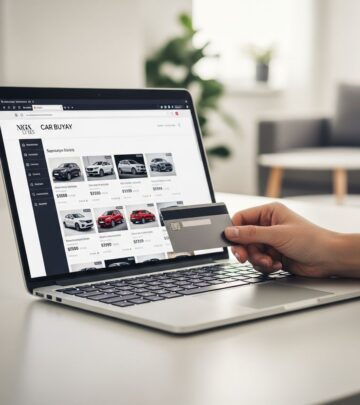
Begin by using online platforms to scan listings across states, filtering by price, mileage, and features. Focus on reputable sites that allow nationwide searches to identify promising candidates early.
Once a vehicle catches your eye, request detailed photos, service records, and a video walkaround from the seller to assess condition remotely.
Key Factors in Evaluating Listings
| Factor | What to Check | Why It Matters |
|---|---|---|
| Price | Compare to national averages using valuation tools | Ensures competitiveness after adding transport/tax costs |
| Mileage | Verify against model year norms | Indicates wear and future reliability |
| Location | Proximity to major highways/airports | Affects driving or shipping feasibility |
| Seller Type | Dealer vs. private | Impacts paperwork and warranty support |
Verifying Vehicle Condition and History
Prior to commitment, obtain a comprehensive vehicle history report using the VIN to uncover past accidents, title issues, odometer discrepancies, or flood damage. This step reveals problems not visible in photos.
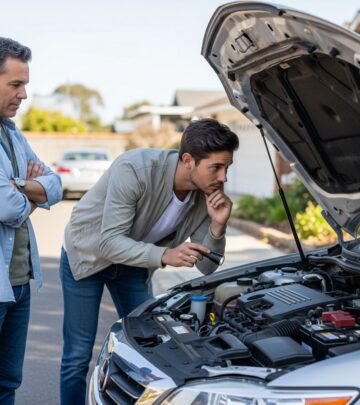
Arrange a pre-purchase inspection by an independent mechanic near the seller’s location. This third-party evaluation checks mechanical integrity, frame damage, and electrical systems, providing leverage in negotiations.
- Confirm no salvage or rebuilt titles that could complicate financing or insurance.
- Review service history for regular maintenance patterns.
- Inspect for rust, especially in regions with harsh winters or coastal exposure.
Understanding Seller Differences: Dealers vs. Private Parties
Dealerships streamline the process with in-house financing, temporary tags, and paperwork assistance, making them ideal for beginners. They often provide certified pre-owned options with warranties.
Private sellers offer potential bargains but require buyers to manage all documentation independently, increasing the risk of oversights.
Dealer Purchases
Dealers typically issue temporary transit permits, collect sales tax if applicable, and handle lien payoffs. Request the full out-the-door price upfront, including fees.
Private Seller Purchases
Verify the seller’s ownership via title, pay off any liens directly with the lender, and secure a notarized bill of sale. Expect to coordinate title transfer yourself.
Financial Aspects: Payments, Taxes, and Financing
Secure financing pre-approval from your home state lender to strengthen negotiations. For cash deals, use secure methods like bank transfers or cashier’s checks.
Sales tax is due in your home state upon registration, regardless of purchase location. States without sales tax still require equivalent use tax. Budget 5-10% of the purchase price accordingly.
- Dealers may remit tax on your behalf; private sellers do not.
- Credit for any tax paid in the purchase state varies by home state rules.
- Factor in title/registration fees, which differ widely by state.
Insurance and Temporary Driving Permissions
Contact your insurer before finalizing the deal to add the vehicle and obtain proof of coverage. Some policies extend temporarily to out-of-state purchases; others require full details.
For driving home, secure a temporary tag or permit from the selling state’s DMV or dealer. These typically last 15-30 days, allowing legal transit.
Alternatively, opt for professional shipping services, weighing costs against fuel and wear from a long drive. Enclosed transport protects high-value cars.
Bringing It Home: Emissions, Inspections, and Registration
Your home state may mandate emissions testing; verify the vehicle complies, especially if crossing into strict standards like California’s. Some cars carry federal emissions labels meeting multiple states.
Schedule a safety inspection if required, then visit your local DMV within the allotted timeframe (often 30 days) with:
- Signed title or manufacturer’s statement.
- Bill of sale.
- Proof of insurance and ID.
- Emissions/safety certificates.
- VIN verification form.
Fees yield new plates and title; financed vehicles list the lender as lienholder.
Potential Pitfalls and How to Avoid Them
Common issues include failing emissions, hidden liens, or expired temp tags leading to fines. Always double-check state-specific rules via official DMV sites.
- Scams: Avoid wire transfers to unknowns; meet in public.
- Transport Delays: Insure shipped vehicles fully.
- Tax Errors: Keep all receipts for audits.
Cost Comparison: Local vs. Out-of-State
| Expense | Local Buy | Out-of-State Buy |
|---|---|---|
| Base Price | $25,000 | $23,000 (potential savings) |
| Tax (7%) | $1,750 | $1,610 |
| Transport | $0 | $800-$1,500 |
| Inspection | $100 | $150 |
| Total | $26,850 | $25,560 |
Example assumes driving; shipping increases out-of-state costs.
Frequently Asked Questions
Can I finance an out-of-state car?
Yes, many lenders approve nationwide purchases; provide VIN and purchase details for pre-approval.
How long to register an out-of-state vehicle?
Typically 30 days; check your state’s DMV for exact deadlines to avoid penalties.
Do I pay tax twice?
No, home state tax applies; credit may apply for any paid at purchase.
Is shipping worth it?
For distances over 500 miles or valuable cars, yes; compare quotes from multiple carriers.
What if the car fails inspection?
Negotiate repairs or price reduction; walk away if issues are severe.
Final Steps for a Successful Purchase
After registration, update insurance, schedule maintenance, and keep all documents filed. Out-of-state buying rewards the prepared with quality vehicles at better values.
References
- How To Buy a Car From Out of State — Kelley Blue Book. 2023. https://www.kbb.com/car-advice/buying-a-car-from-out-of-state/
- Buying a Car Out of State — Progressive. 2024. https://www.progressive.com/answers/buying-a-car-out-of-state/
- How to Buy a Car Out of State — Carfax. 2024. https://www.carfax.com/buying/buying-out-of-state
- Buying a Car Out of State: Everything You Need To Know — Car and Driver. 2021-10-27. https://www.caranddriver.com/auto-loans/a32758521/buying-a-car-out-of-state/
- Buying a Car Out-of-State — Balise Subaru. 2023. https://www.balisesubaru.com/financing/buying-out-of-state.htm
Similar Articles








Read full bio of Sneha Tete