Other Uses For Alcohol: Practical Money-Saving Household Hacks
Discover clever ways to repurpose leftover alcohol for cleaning, cooking, health, and more to save money and reduce waste.
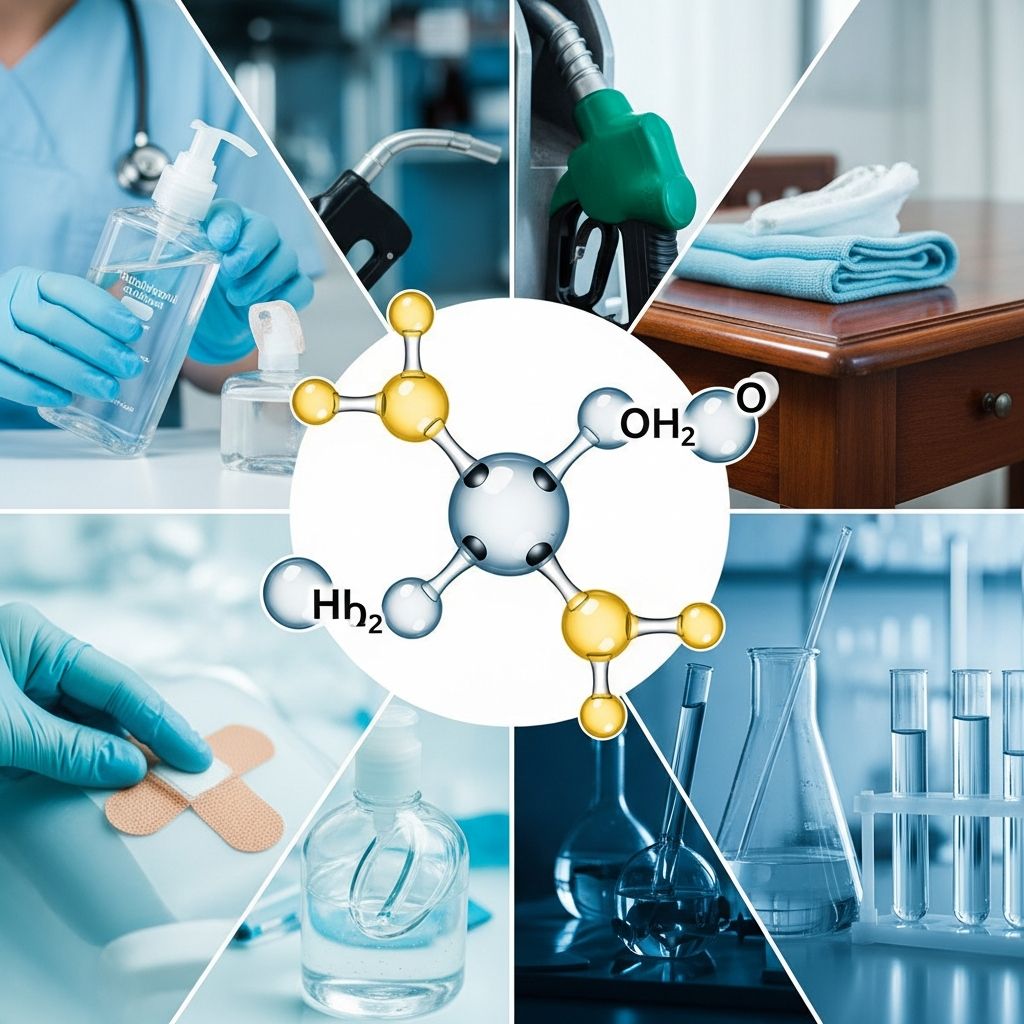
Got a bottle of vodka gathering dust in your cabinet or rubbing alcohol past its prime? Before tossing it, consider these creative, money-saving uses for alcohol that go far beyond sipping. From sparkling clean surfaces to DIY health remedies, alcohol proves to be a versatile household hero. Repurposing these liquids can cut down on buying specialty cleaners and products, putting more pennies back in your pocket.
Alcohol, particularly isopropyl (rubbing) alcohol and high-proof spirits like vodka, acts as a solvent, disinfectant, and preservative. This makes it ideal for cleaning, preservation, and even pest control. Whether you’re dealing with leftover holiday booze or an open bottle of rubbing alcohol, these tips will help you maximize its value.
Cleaning with Alcohol: Shine Without the Chemicals
Alcohol cuts through grease, kills germs, and evaporates quickly without residue—perfect for household cleaning. Skip expensive store-bought sprays and mix your own with common alcohols.
- Glass and Mirror Cleaner: Mix equal parts rubbing alcohol and water in a spray bottle. Add a splash of white vinegar for extra streak-free shine. Spray on windows, mirrors, or glass tables, then wipe with a microfiber cloth. This DIY version costs pennies compared to commercial cleaners.
- Stainless Steel Polish: Dampen a cloth with rubbing alcohol and buff stainless steel appliances. It removes fingerprints and water spots instantly, leaving a protective layer that repels future grime.
- Keyboard and Electronics Cleaner: Use a cotton swab dipped in rubbing alcohol to clean between keys or on screens. The quick-drying nature prevents damage to sensitive electronics.
- Jewelry Sparkler: Soak gold or diamond jewelry in a bowl of rubbing alcohol for 10 minutes to dissolve oils and tarnish. Rinse and dry for a like-new gleam—safer and cheaper than professional cleaning.
Pro tip: Always test on a small area first, especially on plastics, as high concentrations can damage some surfaces.
Laundry and Fabric Hacks Using Alcohol
Alcohol tackles tough laundry issues that regular detergents miss, saving you from replacement costs.
- Ink and Permanent Marker Removal: Dab rubbing alcohol on the stain with a cloth, blotting from the outside in. It dissolves the ink without spreading. Works on clothes, upholstery, and even walls.
- Deodorant Marks Begone: Rub a splash of vodka or rubbing alcohol on white streaks left by deodorant. The alcohol breaks down residue, and fabrics dry odor-free.
- Wrinkles Without an Iron: Spritz vodka diluted with water (1:1) on wrinkled clothes and hang to dry. The alcohol relaxes fibers as it evaporates, smoothing wrinkles naturally.
- Musty Odor Neutralizer: Add a cup of vodka to your wash cycle for towels or gym clothes. It kills bacteria causing smells, leaving fabrics fresh without fabric softener.
These tricks extend the life of your wardrobe and linens, reducing shopping trips.
Alcohol in the Kitchen: Cooking and Preservation
Don’t let open wine or spirits go to waste—use them to enhance meals and preserve food.
- Marinades and Tenderizers: Vodka or gin tenderizes tough meats by denaturing proteins. Mix with herbs, oil, and acids for a flavorful marinade that also keeps food moist.
- Fruit Preservation: Soak strawberries, apples, or berries in vodka to keep them fresh longer. The alcohol acts as a preservative, preventing mold and browning for up to a week in the fridge.
- Homemade Extracts: Infuse vanilla beans, citrus peels, or herbs in vodka to create custom extracts for baking. Cheaper than store-bought and customizable to taste.
- Cleaning Produce: Wipe fruits and veggies with a rubbing alcohol-dampened cloth to remove pesticides and bacteria before eating.
In cooking, alcohol evaporates during heating, leaving flavor without the buzz. It’s a frugal way to elevate everyday meals.
Health and Beauty Remedies with Alcohol
Rubbing alcohol shines in first-aid and beauty routines, often outperforming pricier alternatives.
- Aftershave and Razor Relief: Apply vodka or rubbing alcohol post-shave to disinfect pores and tighten skin, reducing irritation and ingrown hairs.
- Mouthwash Substitute: Dilute vodka 1:1 with water and add mint leaves for a natural mouth rinse that kills bacteria and freshens breath.
- Nail Fungus Fighter: Soak toenails in rubbing alcohol daily to dry out fungus-prone areas. Combine with tea tree oil for boosted effectiveness.
- Hand Sanitizer Booster: Mix rubbing alcohol with aloe vera gel for a DIY sanitizer that’s gentler on skin than pure gel versions.
- Steam Iron Freshener: Add vodka to your iron’s water reservoir to prevent mineral buildup and add a clean scent to clothes.
These remedies draw from traditional uses, but consult a doctor for persistent issues.
Pest Control and Outdoor Uses for Alcohol
Alcohol repels bugs and weeds without harsh pesticides, making it eco-friendly and budget-smart.
- Ant Deterrent: Spray a mix of rubbing alcohol and water (1:3) along entry points. It disrupts ant pheromone trails, sending them packing.
- Plant Spray for Aphids: Combine rubbing alcohol, water, and dish soap to spritz on infested plants. The alcohol dehydrates pests on contact.
- Weed Killer: Full-strength rubbing alcohol sprayed on weeds’ leaves burns foliage, killing them down to the root in sunny conditions.
- Car Windshield De-Icer: Mix rubbing alcohol with water (2:1) and spray on frosty windows. It melts ice faster than scrapers alone.
Ideal for gardeners and homeowners aiming to avoid chemical costs.
Unique and Fun Alcohol Hacks
Think outside the bottle with these quirky applications.
- Shoe Deodorizer: Spray vodka inside smelly shoes overnight to neutralize odors.
- Dryer Sheet Alternative: Dampen a cloth with vodka and toss in the dryer for static-free, fresh laundry.
- Perfume Extender: Layer vodka-based DIY perfumes for longer-lasting scents.
- Leather Conditioner: Wipe leather items with vodka to clean and restore suppleness.
These hacks turn everyday alcohol into multi-tasking miracles.
Safety Precautions When Using Alcohol Around the Home
While versatile, alcohol requires careful handling.
- Use in well-ventilated areas to avoid fumes.
- Keep away from open flames—alcohol is highly flammable.
- Dilute for skin contact to prevent drying or irritation.
- Store out of children’s reach.
- For ingestion-related uses (like mouthwash), use food-grade spirits only.
Following these keeps your hacks safe and effective.
Cost-Saving Comparison: Alcohol vs. Specialty Products
| Use Case | Specialty Product Cost (per use) | DIY Alcohol Cost (per use) | Savings |
|---|---|---|---|
| Glass Cleaner | $0.25 | $0.05 | 80% |
| Ink Remover | $1.00 | $0.10 | 90% |
| Hand Sanitizer | $0.50 | $0.15 | 70% |
| De-Icer | $0.40 | $0.08 | 80% |
Switching to alcohol-based DIYs can save hundreds annually on household supplies.
Frequently Asked Questions (FAQs)
What type of alcohol is best for cleaning?
Rubbing alcohol (70% isopropyl) is ideal for most cleaning due to its strength and quick evaporation. Use vodka (80-proof or higher) for food-safe or fabric applications.
Can I use drinking alcohol for rubbing alcohol substitutes?
Yes, high-proof spirits like vodka work similarly for non-medical uses, but stick to rubbing alcohol for disinfection.
Is rubbing alcohol safe for skin?
Diluted yes, but undiluted can dry skin. Patch test first.
Does alcohol kill COVID-19 on surfaces?
70% isopropyl effectively disinfects hard surfaces against enveloped viruses like SARS-CoV-2 when used properly.
How long does opened rubbing alcohol last?
Indefinitely if sealed, but efficacy drops after 2-3 years. Use for non-medical hacks if older.
Embracing these uses transforms waste into wealth-savers. Stock up smartly and clean greener!
References
- Cleaning and Disinfectants Guidelines — Centers for Disease Control and Prevention (CDC). 2024-10-01. https://www.cdc.gov/infection-control/hcp/disinfection-sterilization/index.html
- Household Uses of Isopropyl Alcohol — U.S. Environmental Protection Agency (EPA). 2023-05-15. https://www.epa.gov/pesticide-registration/list-n-disinfectants-use-against-sars-cov-2-covid-19
- Alcohol as a Solvent in Chemistry — American Chemical Society. 2022-11-20. https://www.acs.org/middleschoolchemistry/lessonplans/chapter6/lesson4.html
- The Penny Hoarder: Other Uses for Alcohol — The Penny Hoarder. 2025-01-01. https://www.thepennyhoarder.com/save-money/other-uses-for-alcohol/
- Food Preservation Techniques — U.S. Department of Agriculture (USDA). 2024-03-10. https://www.fsis.usda.gov/food-safety/safe-food-handling-and-preparation/food-safety-basics/refrigeration
Similar Articles








Read full bio of Sneha Tete