Origination Fee: Complete Guide to Loan Costs
Understanding loan origination fees: What they are, how they work, and strategies to reduce them.

Understanding Origination Fees: A Comprehensive Guide
When borrowing money for a mortgage or other significant loans, understanding the various fees involved is crucial for making informed financial decisions. One of the most common and sometimes confusing charges that borrowers encounter is the loan origination fee. This comprehensive guide will help you understand what these fees are, how they’re calculated, and most importantly, what options you have to minimize or eliminate them.
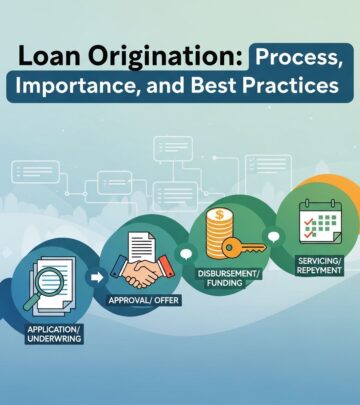
An origination fee is a charge imposed by a lender to cover the cost of processing, underwriting, and closing a loan application. Think of it as a service charge for the lender’s work in evaluating your creditworthiness, verifying your financial information, and preparing all necessary documentation. These fees are standard across the lending industry and are typically paid at closing when you finalize your loan.
What Exactly Is an Origination Fee?
The origination fee represents compensation for the lender’s administrative and operational costs associated with initiating your loan. When you apply for a mortgage, auto loan, or other credit products, the lender must perform numerous tasks before approving and funding your loan. These tasks include reviewing your credit history, verifying income and employment, ordering property appraisals, conducting title searches, and preparing legal documentation.
The origination fee covers the salaries and overhead associated with these activities. It’s a legitimate business expense that lenders pass along to borrowers. Unlike some other fees that might be negotiable or optional, origination fees are almost universally charged, though their rates can vary significantly between lenders.
Understanding this fee is particularly important for mortgage borrowers since home purchases typically involve the largest loans most people will ever take out. However, origination fees also apply to personal loans, auto loans, and refinancing situations. The sooner you understand how these fees work, the better equipped you’ll be to shop for loans and negotiate favorable terms.
How Much Do Origination Fees Cost?
Origination fees are typically expressed as a percentage of the total loan amount. On average, a loan origination fee is about one percent of your mortgage, though this can range from 0.5% to 2% depending on various factors. To illustrate with a concrete example, if you have a $100,000 mortgage, your loan origination fee will likely be around $1,000.
For a $300,000 home purchase with a conventional mortgage, you could expect an origination fee between $1,500 and $6,000. These amounts can significantly impact your total closing costs and the amount you need to bring to closing.
Several factors influence the specific origination fee you’ll be charged:
- Loan amount: Larger loans typically have lower percentage fees, as the fixed costs of processing are spread over a larger principal
- Loan type: FHA loans, VA loans, and conventional loans may have different fee structures
- Credit score: Borrowers with excellent credit may qualify for lower fees
- Loan-to-value ratio: The relationship between the loan amount and property value affects pricing
- Lender policies: Different lenders have different fee structures and competitive strategies
- Market conditions: Economic conditions and competitive pressure among lenders influence fee levels
To get an accurate estimate of what your origination fee will be, you can ask your lender to provide an estimate by getting preapproved for a mortgage. This preapproval gives you concrete numbers to work with and can give you a significant advantage during negotiations with other lenders while you shop for loans. Most lenders are required to provide a loan estimate within three business days of your application, which includes the origination fee breakdown.
Can You Negotiate or Waive Origination Fees?
While origination fees are standard, they are not necessarily set in stone. Borrowers have several legitimate strategies to negotiate, reduce, or potentially waive these fees entirely. Here are the most effective approaches:
Direct Negotiation with Your Lender
The first and most straightforward approach is to ask your lender to waive or reduce your fees upfront. Your lender may be willing to do this if you put up a sound argument or if you demonstrate that you are preapproved for a loan with smaller fees at a different lender. Many borrowers don’t realize they can negotiate on fees, so simply asking can sometimes result in favorable adjustments. Lenders want your business and may be willing to reduce fees to remain competitive, particularly if you have a strong credit profile.
Accept a Higher Interest Rate
Your lender may be willing to waive or reduce your fees if you are willing to take a higher interest rate. In this scenario, you’re essentially trading an upfront cost for higher monthly payments throughout the life of the loan. You’ll need to calculate which option makes more financial sense for your situation. If you plan to stay in the home for many years, paying the fee upfront might be more economical than accepting higher interest payments. Conversely, if you anticipate selling or refinancing soon, waiving the fee might be the better choice.
Seller Concessions
Depending on the market conditions, the seller may be willing to cover your loan origination fees. This arrangement is more likely in a buyer’s market—meaning there are more houses for sale than there are buyers—so the seller may agree to these terms to quickly sell their home. In such scenarios, the seller essentially credits you with funds at closing to cover your origination fee and other closing costs. This is a legitimate negotiation tactic that can significantly reduce your out-of-pocket expenses at closing.
Shopping Multiple Lenders
Different lenders charge different origination fees based on their business models and competitive positioning. By obtaining loan estimates from multiple lenders, you can compare not only interest rates but also origination fees and other charges. Some lenders may have lower origination fees to attract customers, particularly if they compensate through other means. Taking time to compare offers from at least three different lenders can potentially save you thousands of dollars.
Tax Deductibility of Origination Fees
An important consideration for many borrowers is whether origination fees can be deducted from their taxes. The IRS classifies loan origination fees as points. Points are considered prepaid interest and can be used for tax deductions. This tax benefit applies even if the seller agreed to pay them for you.
However, there are specific rules about when origination fees qualify as deductible points. Generally, the fees must meet certain criteria established by the IRS to be deductible in the year the loan is taken out. If they don’t meet these criteria, they may be deductible only over the life of the loan. Always make sure to double check your local laws and consult with your tax professional to confirm that these fees are deductible in your unique case.
Keeping detailed documentation of all your closing costs, including origination fees, is essential for tax purposes. Your closing disclosure statement will itemize these fees and help your tax professional determine what’s deductible.
Origination Fees vs. Closing Costs: Key Differences
Many borrowers use the terms “origination fees” and “closing costs” interchangeably, but they’re not quite the same thing. A simple rule of thumb to keep in mind is that loan origination fees are closing costs, but closing costs aren’t exclusive to loan origination fees. Understanding this distinction is important for budgeting and understanding your loan estimate.
| Fee Type | Description | Typical Cost Range |
|---|---|---|
| Origination Fee | Lender’s charge for processing and underwriting | 0.5% – 2% of loan amount |
| Private Mortgage Insurance (PMI) | Insurance protecting lender if down payment is less than 20% | 0.5% – 1.5% annually |
| Appraisal Fee | Cost to determine property value | $300 – $700 |
| Title Search and Insurance | Verification of property ownership and transfer protection | $500 – $1,500 |
| Property Taxes | Pre-closing and closing day tax payments | Varies by location |
| Recording Fees | Cost to record deed with local government | $50 – $300 |
You will pay your loan origination fees at closing, but they won’t be the only fees included in your closing costs. Your closing costs typically include origination fees, private mortgage insurance, appraisal costs, property taxes, title insurance, recording fees, and various other charges. Total closing costs typically range from 2% to 5% of the home purchase price, though origination fees usually represent just a portion of this amount.
Understanding the breakdown of all these costs helps you identify where your money is going and potentially negotiate individual items. Some costs are more flexible than others, and knowing which ones are negotiable can help you reduce your overall closing costs.
Strategies for Managing Origination Fees
Beyond the negotiation strategies mentioned earlier, there are several additional approaches to managing origination fees effectively:
- Plan ahead: Incorporate loan origination fees into your overall homebuying budget well in advance. Knowing what to expect allows you to save appropriately and avoid financial surprises
- Improve your credit score: A higher credit score may qualify you for better loan terms, including lower origination fees
- Increase your down payment: A larger down payment can sometimes result in lower fees as a percentage of the loan amount
- Consider timing: In slower real estate markets, both sellers and lenders may be more willing to negotiate on fees
- Ask about lender credits: Some lenders offer credits that can be applied toward closing costs, including origination fees
Frequently Asked Questions
Q: Are origination fees required on all loans?
A: Origination fees are standard on most conventional mortgages and many personal loans. However, some specialized loan programs, such as certain VA loans, may have different fee structures or lower origination fees. Always check the specific terms of your loan program.
Q: Can I include origination fees in my mortgage principal?
A: In some cases, yes. You may be able to roll your origination fee into your mortgage principal rather than paying it separately at closing. However, this means you’ll pay interest on this amount over the life of the loan, making it more expensive overall. Discuss this option with your lender.
Q: What’s the difference between an origination fee and a processing fee?
A: While these terms are sometimes used interchangeably, origination fees typically cover the lender’s underwriting and approval costs, while processing fees may refer to administrative costs. Check your loan estimate to see what specific fees are being charged.
Q: Do origination fees apply to refinancing?
A: Yes, origination fees typically apply to refinancing loans as well. The lender must still underwrite and process your application, so the same fees generally apply. This is an important consideration when calculating whether refinancing makes financial sense.
Q: How can I compare origination fees between lenders?
A: Request loan estimates from multiple lenders. By federal law, lenders must provide loan estimates within three business days of application. Compare not just the origination fee percentages, but also the dollar amounts and how they compare to your loan size and terms.
Key Takeaways
Loan origination fees are a common and legitimate cost associated with closing a home sale or refinance. These fees are usually about one percent of your overall loan, though they can vary based on multiple factors. Understanding what these fees cover and knowing your options for negotiating or reducing them puts you in a stronger position as a borrower. As long as you plan ahead and incorporate loan origination fees into your overall homebuying budget, you’ll be well on your way to making informed decisions about your mortgage and other loans. Remember that while origination fees are standard, they’re not immovable—shopping around, negotiating, and considering alternative structures can potentially save you significant money over the life of your loan.
References
- Your Guide To Loan Origination Fee — Chase Bank. 2025. https://www.chase.com/personal/mortgage/education/financing-a-home/loan-origination-fee
Similar Articles








Read full bio of Sneha Tete