Organizational Behavior: Definition, Importance & Applications
Master organizational behavior to enhance workplace culture, employee engagement, and organizational performance.

What Is Organizational Behavior?
Organizational behavior (OB) is the multidisciplinary study of employee interactions and the organizational processes that seek to create more efficient and cohesive organizations. More specifically, organizational behavior refers to the way people behave individually and in groups within an organization, examining how organizational structures affect behavior and influence overall organizational effectiveness.
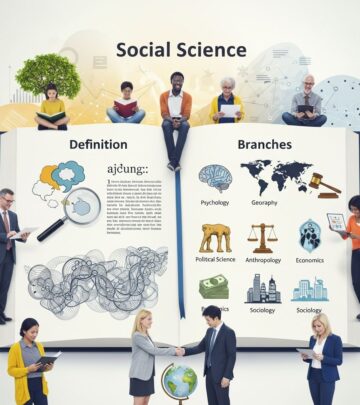
The academic study of organizational behavior applies scientific approaches to personnel management, drawing from diverse disciplinary fields including psychology, sociology, social psychology, anthropology, political science, and economics. The core purpose of studying organizational behavior is to leverage the insights it offers to optimize employee and group performance, ultimately enhancing business operations and market competitiveness.
Each employee contributes not only a unique skill set but also individual personality traits with inherent values and beliefs. These personal characteristics determine how employees interact in work groups, with other employees, and toward management. Understanding these dynamics is essential for creating effective organizational environments where both individuals and teams can thrive.
Why Is Organizational Behavior Important?
Studying organizational behavior is critical for several compelling reasons. Most people will experience work environments where employees and teammates interact in various ways—both healthy and unhealthy. Without strong organizational behavior models, negative workplace interactions and cultures can become commonplace, leading to reduced productivity and employee dissatisfaction.
By studying organizational behavior, leaders gain insight into how and why employees behave and interact in both positive and negative ways. This understanding enables managers to identify the drivers of employee behavior and target specific areas for improvement. Rather than reacting to problems as they arise, effective leaders can proactively work to foster more positive cultures and work environments that support organizational goals.
The application of organizational behavior study helps employees navigate a business’s culture while giving managers critical insights into how organizational culture helps or hinders employee engagement, productivity, and retention. Organizations that implement strong OB models create environments where employees understand themselves and others better, promoting more open communication and meaningful participation.
Key Benefits of Organizational Behavior
Implementing organizational behavior principles offers managers a comprehensive roadmap to enhance multiple organizational aspects:
- Boosting job performance and employee output
- Increasing job satisfaction and employee morale
- Fostering innovation and creativity throughout the organization
- Encouraging effective leadership at all levels
- Improving customer service quality and responsiveness
- Promoting ethical behavior and corporate responsibility
- Creating a positive work environment that attracts talent
These benefits extend beyond individual employee satisfaction. Organizations that cultivate strong organizational behavior principles typically experience improved financial performance, reduced turnover, and enhanced competitive positioning in their markets.
Understanding Organizational Culture
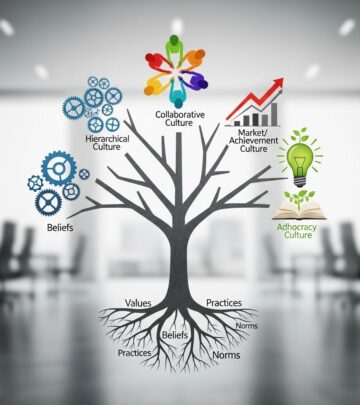
At the heart of organizational behavior lies organizational culture—the collection of values, expectations, and practices that guide and inform the actions of all team members. Organizational culture represents the traits that make a company unique and defines the proper way to behave within that organization. This culture consists of shared beliefs and values established by leaders and then communicated and reinforced through various methods, ultimately shaping employee perceptions, behaviors, and understanding.
A strong organizational culture is fundamental to developing the traits necessary for long-term business success. Different organizations adopt distinct cultural frameworks based on their strategic objectives, leadership philosophies, and market positions.
Types of Organizational Culture
Organizations typically operate within one of four primary cultural frameworks, each with distinct characteristics and implications for employee behavior and organizational performance:
The Clan Culture: This culture emphasizes collaboration, teamwork, and employee development. Organizations with clan cultures prioritize building respectful relationships with employees, customers, suppliers, and the broader environment. Examples include companies known for employee-centric policies and strong corporate social responsibility initiatives.
The Adhocracy Culture: This culture is built on energy, creativity, and innovation. Employees are encouraged to take risks, and leaders are positioned as entrepreneurs and innovators. The organization maintains cohesion through experimentation, emphasizing individual ingenuity and freedom. Technology companies like Facebook exemplify adhocracy culture, where leaders encourage rapid innovation and experimentation.
The Market Culture: This culture prioritizes competition and achieving concrete results. The focus is goal-oriented, with demanding leaders who push for excellence. Organizations are united by a common objective to succeed and outperform rivals, with primary value drivers being market share and profitability. Companies like General Electric under former CEO Jack Welch exemplify market-driven cultures.
The Hierarchy Culture: This culture is founded on structure, control, and formal procedures. The work environment maintains strict institutional protocols, with leadership emphasizing organized coordination and monitoring. Values center on efficiency, predictability, consistency, and uniformity. Large bureaucratic organizations like the military and government agencies typically operate within hierarchy cultures.
Organizational Behavior Examples in Practice
Managers apply organizational behavior principles through various tactical approaches tailored to specific organizational challenges and desired outcomes. Depending on circumstances, managers may reorganize workgroups, modify performance evaluation systems, or restructure compensation packages.
Understanding what motivates employees plays a crucial role in how managers adjust company procedures and policies. Organizational behavior provides a roadmap for human resources professionals and supervisors to manage more effectively while helping employees navigate organizational culture. When strong organizational behavior models are in place, employees better understand themselves and their roles, enabling them to flourish within the organization.
Effective leaders adjust practices and policies according to insights organizational behavior offers, thereby increasing managerial effectiveness. This evidence-based approach to management helps organizations predict how employees might react under differing circumstances, allowing for proactive rather than reactive management strategies.
Core Elements of Organizational Behavior
Organizational behavior encompasses several fundamental elements that collectively shape workplace dynamics and organizational effectiveness:
Focus on Behavior: Organizational behavior emphasizes studying human behavior within organizational settings, examining how individuals, groups, and structures interact and influence each other to shape outcomes.
Systemic Approach: Organizations are viewed as complex systems comprised of interconnected elements. Changes in one area cascade through the system, making holistic understanding essential for effective management.
Multilevel Analysis: Organizational behavior examines behavior at individual, group, and organizational levels, recognizing that factors at each level contribute to overall organizational functioning and performance.
Dynamic and Contextual Nature: Organizational behavior recognizes that workplace dynamics constantly evolve and are influenced by external and internal contextual factors, requiring adaptive management approaches.
Human Well-being Focus: Organizational behavior emphasizes employee motivation, job satisfaction, and engagement as critical drivers of organizational success and employee welfare.
Organizational Change and Development
Implementing organizational behavior insights often requires organizational change. A foundational model for understanding organizational change comprises three primary phases:
Unfreezing: This initial step involves reducing forces that maintain the organization’s current state. Unfreezing typically occurs through introducing new information highlighting inadequacies in current operations or by decreasing the strength of existing values, attitudes, and behaviors. Organizational crises frequently stimulate unfreezing, creating openness to change.
Moving: During this phase, the organization develops new values, attitudes, and behaviors through various mechanisms including internalization, identification, and structural changes. Some modifications may be minor, involving specific departments or recruitment procedures, while others represent major organizational restructuring affecting numerous participants and systems.
Refreezing: The final phase involves stabilizing and institutionalizing the new behaviors, values, and structures so they become the accepted organizational norm rather than temporary modifications.
Multilevel Perspective in Organizational Behavior
Organizational behavior operates at three interconnected levels, each providing distinct insights into workplace dynamics:
Individual Level: At this level, organizational behavior examines personal factors including personality, motivation, perception, learning, and decision-making processes. Understanding individual differences is crucial for managers seeking to optimize employee performance and satisfaction.
Group Level: This level focuses on team dynamics, communication patterns, conflict resolution, leadership effectiveness, and group decision-making. Group-level analysis recognizes that employees don’t function in isolation but rather collaborate within teams and departments.
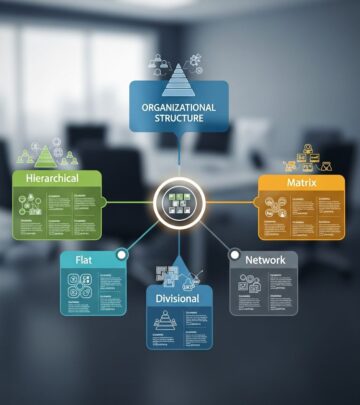
Organizational Level: The broadest level examines organizational structure, culture, strategy, and systems. Organizational-level analysis considers how macro factors influence individual and group behavior throughout the enterprise.
Disciplinary Foundations of Organizational Behavior
Organizational behavior draws on multiple academic disciplines, creating a rich, multifaceted field of study:
- Psychology: Contributes understanding of individual motivation, learning, perception, and personality
- Sociology: Provides insights into group dynamics, social structures, and organizational systems
- Anthropology: Offers perspectives on organizational culture and cultural diversity
- Economics: Informs understanding of incentives, resource allocation, and organizational efficiency
- Political Science: Illuminates power dynamics, decision-making processes, and organizational politics
- Communication: Enhances understanding of interpersonal and organizational communication effectiveness
This interdisciplinary approach enables organizational behavior professionals to address complex workplace challenges from multiple perspectives, creating comprehensive solutions that account for human, social, and organizational factors.
Practical Applications for Leaders and Managers
Leaders can leverage organizational behavior insights to drive tangible improvements across their organizations. Effective managers recognize that different employees respond to different motivational approaches and work styles. By understanding these individual differences, managers can tailor their leadership approaches, communication styles, and team assignments to optimize employee engagement and performance.
Organizations that systematically apply organizational behavior principles create cultures where relationships are cooperative, employees feel valued, and companies flourish. This cultural foundation enables organizations to attract and retain talented employees, foster innovation, and achieve sustainable competitive advantages in increasingly complex business environments.
FAQs
Q: What is the main goal of studying organizational behavior?
A: The primary goal of studying organizational behavior is to understand how people interact within organizations and apply these insights to optimize employee and group performance, improve organizational effectiveness, and create positive workplace cultures that drive business success.
Q: How does organizational culture relate to organizational behavior?
A: Organizational culture represents the shared values, beliefs, and practices that guide employee behavior. Organizational behavior examines how this culture influences individual and group actions, and how managers can shape culture to achieve desired organizational outcomes and employee engagement.
Q: What disciplines contribute to organizational behavior research?
A: Organizational behavior draws from psychology, sociology, anthropology, economics, political science, communication, and management studies. This multidisciplinary approach enables comprehensive understanding of workplace dynamics and human behavior in organizational contexts.
Q: How can managers apply organizational behavior principles?
A: Managers can apply organizational behavior by understanding employee motivations, fostering open communication, building positive team dynamics, implementing organizational changes thoughtfully, and creating cultures that align individual and organizational goals. They may reorganize workgroups, modify performance systems, or adjust compensation structures based on behavioral insights.
Q: Why is organizational behavior important for business success?
A: Organizational behavior is crucial because it helps organizations improve employee engagement, increase productivity, reduce turnover, foster innovation, and create competitive advantages. Understanding behavior patterns enables proactive management that prevents problems and optimizes organizational performance.
References
- What is Organizational Behavior? — University of Southern Indiana Online. 2024. https://online.usi.edu/degrees/business/mba/human-resources/what-is-organizational-behavior/
- Understanding Organizational Behavior — University of West Florida Online. 2024. https://getonline.uwf.edu/business-programs/mba/general/understanding-organizational-behavior/
- What Is Organizational Behavior? — UT Tyler Online. 2024. https://online.uttyler.edu/degrees/business/mba/what-is-organizational-behavior/
- Organizational Behaviour: Definition, Concept, and Culture — Tai Solarin University of Education. 2024. https://tau.edu.ng/
- Organizational Behavior: A Brief Overview and Safety Orientation — PubMed Central. 2015. https://pubmed.ncbi.nlm.nih.gov/26597558/
Similar Articles








Read full bio of medha deb