Organic On A Budget: 7 Ways To Save Money On Organic Food
Discover 7 practical strategies to incorporate organic foods into your grocery budget without overspending on premium produce and pantry staples.
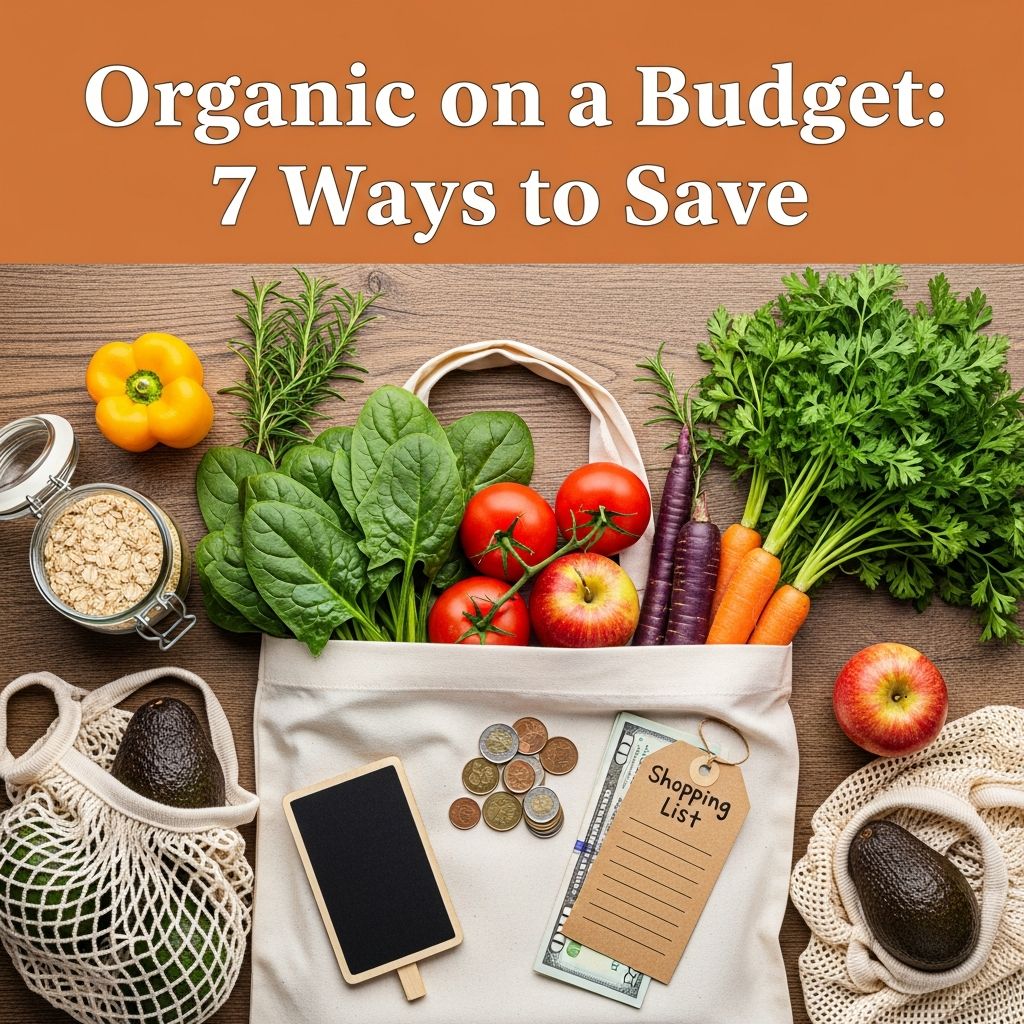
Organic foods offer health benefits and environmental advantages, but their higher price tags can strain tight grocery budgets. With rising food costs, many households wonder if it’s possible to eat organic without breaking the bank. The good news is yes—through strategic shopping and prioritization, you can incorporate more organic items affordably. This guide outlines seven actionable ways to save on organic groceries, drawing from expert advice and real-world strategies to help you balance nutrition, cost, and sustainability.
1. Prioritize the Dirty Dozen
The Environmental Working Group (EWG) annually releases the ‘Dirty Dozen’ list, highlighting produce with the highest pesticide residues. Focus your organic spending here to maximize health benefits. For 2025, top items include strawberries, spinach, kale, grapes, peaches, pears, nectarines, apples, bell peppers, cherries, blueberries, and green beans. These conventional counterparts often carry multiple pesticides, making organic versions worthwhile.
Conversely, the ‘Clean Fifteen’—like avocados, sweet corn, pineapples, onions, papayas, sweet peas, eggplants, asparagus, cauliflowers, cantaloupes, broccoli, mushrooms, cabbage, honeydew melons, and kiwis—have low residues, so conventional is fine and cheaper. By targeting organics for Dirty Dozen items, you reduce exposure to harmful chemicals without overspending on everything.
- Tip: Print the EWG list and pin it to your fridge for quick reference during shopping.
- Savings example: Organic strawberries cost 50-100% more, but buying conventional Clean Fifteen saves $5-10 per trip.
2. Shop Sales and Use Coupons
Grocery stores frequently discount organic items to clear inventory. Apps like Flipp, Ibotta, and store loyalty programs (e.g., Kroger, Whole Foods Amazon Prime deals) alert you to sales. Sign up for newsletters from chains like Trader Joe’s or Aldi, which offer competitive organic pricing.
Coupons amplify savings—sites like Coupons.com and manufacturer apps provide digital clips for brands like Annie’s or Nature’s Path. Combine with store doubles or BOGO deals. One family reported cutting organic cereal costs from $5 to $2.50 per box using layered discounts.
| Store | Common Organic Deals | Average Savings |
|---|---|---|
| Whole Foods | Weekly sales on produce, dairy | 20-30% |
| Aldi | Budget organics year-round | 40% vs. premium chains |
| Trader Joe’s | Private label organics | 25-50% |
3. Buy in Bulk and Freeze
Organic staples like rice, oats, nuts, beans, and grains are cheaper in bulk from co-ops, warehouse clubs (Costco, Sam’s Club), or ethnic markets. Azure Standard’s co-op model delivers high-quality organics to drop points, slashing prices through group buys.
Stock up on sales and freeze extras: berries, herbs, chopped veggies, and meats. Portion into freezer bags for months of use. This cuts waste and averages costs lower. Bulk dry goods store indefinitely in airtight containers, providing pantry staples at 30-50% less per pound.
- Beans: $1.50/lb bulk vs. $3 canned.
- Frozen organic berries: Buy summer sales, save year-round.
4. Choose Seasonal and Local Produce
Organic produce shines in season when supply is high and prices drop. Visit farmers’ markets or join Community Supported Agriculture (CSA) shares for fresh, local organics at 20-40% below supermarket rates. CSAs offer pre-paid shares of seasonal bounty, often including ‘ugly’ produce that’s perfectly edible but cosmetically imperfect.
Local farms skip shipping costs and sell direct, supporting sustainability. Apps like LocalHarvest.org find nearby options. Prioritize in-season items like summer tomatoes or fall apples for peak flavor and value.
5. Opt for Store Brands and Private Labels
Trader Joe’s, Aldi, and Whole Foods’ 365 line offer organic equivalents to name brands at lower prices. These meet USDA organic standards but cut marketing costs. A gallon of organic milk might be $4.99 store brand vs. $6.99 Horizon.
Pantry items like pasta sauce, canned tomatoes, and yogurt follow suit. Blind taste tests often rate them equally, making them smart swaps for budget organic shoppers.
6. Embrace Ugly Produce and Imperfect Boxes
Subscription services like Imperfect Foods and Hungry Harvest deliver ‘ugly’ organic produce—misshapen but nutritious—at discounts up to 30%. Imperfect Foods offers customizable boxes from $11 (7 lbs) to $30.50 (25 lbs), including organics, dairy, and meats. They recycle packaging and donate surplus.
Hungry Harvest serves select East Coast areas with mini ($15+), full ($25+), and super ($33+) boxes, organic options available. Farmers’ markets yield similar deals on imperfect items. This reduces food waste while saving money—perfect for smoothies, sauces, or roasting.
| Service | Price Range | Best For |
|---|---|---|
| Imperfect Foods | $11-$30.50 + shipping | Customizable, wide delivery |
| Hungry Harvest | $15+ + shipping | East Coast, organic options |
7. Grow Your Own Herbs and Veggies
Start small with organic seeds or starts for herbs (basil, cilantro), greens (lettuce, kale), or tomatoes. A windowsill pot or backyard patch yields fresh organics for pennies. Regrow scraps: green onions, celery, romaine in water.
Initial setup under $20 provides ongoing harvests, cutting store costs to zero. Community gardens offer plots cheaply. This empowers self-sufficiency and ensures peak freshness.
Additional Tips for Organic Budgeting
Reverse meal plan: Inventory pantry first, then shop sales. Skip most delivery fees by hitting minimums or local pickup. Organic isn’t always superior—local conventional from trusted farms can match quality without certification premiums. Track spending with apps like Goodbudget to refine habits.
Frequently Asked Questions (FAQs)
Q: Is organic food really healthier?
A: Organic reduces pesticide exposure, per USDA standards, but both can fit healthy diets. Prioritize variety and whole foods.
Q: How much more does organic cost?
A: Typically 20-50% premium, but strategies here cut it to 10-20% with smart shopping.
Q: What’s the best store for cheap organics?
A: Aldi and Trader Joe’s lead for value; check weekly ads.
Q: Can I freeze organic produce?
A: Yes—wash, chop, and freeze on sheets for easy storage up to 12 months.
Q: Are CSAs worth it?
A: For seasonal eaters, yes—savings of 30%+ and fresher taste.
References
- Save Money On Food By Buying Ugly Produce — The Penny Hoarder. 2023. https://www.thepennyhoarder.com/save-money/ugly-produce/
- $150 per person grocery budget? Here’s how she does it — Simple Farmhouse Life (YouTube). 2025-05-06. https://www.youtube.com/watch?v=W2C2vqInA38
- When to Buy Organic Food (and 6 Tips to Save on It) — Money Talks News / The Penny Hoarder. 2025-09-04. https://www.moneytalksnews.com/author/elizabeth-djinis/
- Is Organic Food Worth the Higher Price Tag? — The Penny Hoarder. 2023. https://www.thepennyhoarder.com/save-money/is-organic-food-worth-it/
- Organic on a Budget: 7 Ways to Save Money on Organic Food — The Penny Hoarder. 2023. https://www.thepennyhoarder.com/save-money/organic-foods-into-grocery-budget/
Similar Articles








Read full bio of Sneha Tete