Optimal Timing for Credit Card Payments
Master the art of timing your credit card payments to dodge fees, cut interest, and elevate your credit score effectively.

Paying your credit card bill by the due date stands as the foundational rule to sidestep late fees and protect your credit standing. However, strategic timing beyond this deadline can further optimize your financial health by lowering interest accrual and enhancing your credit utilization metrics.
Mastering the Credit Card Billing Cycle
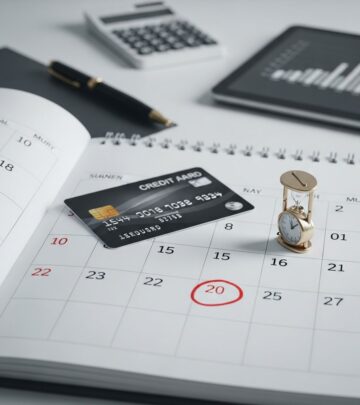
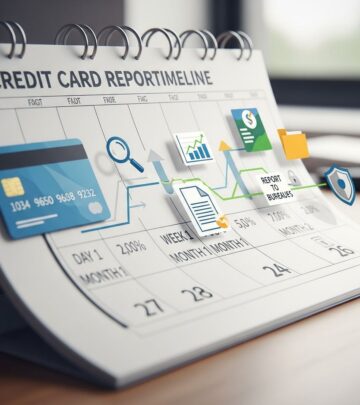
Understanding your credit card’s billing cycle forms the cornerstone of effective payment timing. This cycle typically spans 28 to 31 days, commencing after the statement closing date, when your issuer finalizes the balance for that period. The due date follows approximately three weeks later, marking the deadline for your minimum payment.
Key dates include:
- Statement Closing Date: End of the billing period; balance here often reports to credit bureaus.
- Due Date: Final day for minimum payment to avoid penalties.
- Reporting Date: When issuers transmit data to bureaus, often near closing date.
Grasping these distinctions empowers you to act proactively rather than reactively.
Why the Due Date Demands Priority
The due date serves as your non-negotiable deadline. Meeting it prevents late fees averaging around $41, as noted by regulatory oversight, and shields against penalty interest rates that can exceed 29% APR. More critically, payments over 30 days late appear on your credit report, lingering for up to seven years and weighing heavily on your FICO score, where payment history constitutes 35%.
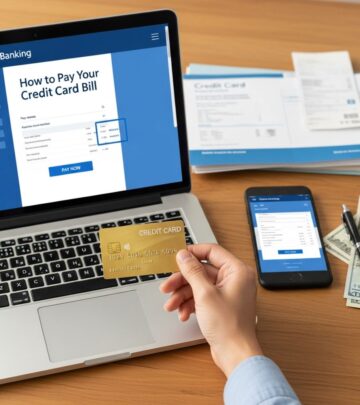
Even payments received just after cutoff times on weekends or holidays count as late, underscoring the need for electronic methods like online portals or apps, which post instantly. Mailing requires advance planning—aim for at least seven days prior to ensure processing.
Strategic Early Payments: Beyond the Basics
While the due date averts penalties, paying before the statement closing date yields additional advantages. This timing reduces the balance reported to bureaus, directly impacting your credit utilization ratio—the portion of available credit you’re using. Experts recommend keeping this under 30% for optimal scores.
For instance, if your limit is $5,000 and you carry $2,000 at closing, that’s 40% utilization, potentially harming your score even if you clear it later. A pre-closing payment drops this figure, fostering positive reporting.
Multiple Payments: A Power Move for Utilization Control
Distributing payments across the month keeps balances low continuously. This approach not only curbs utilization but also mitigates interest on revolving balances. If you spend mid-cycle, an immediate payment prevents balance buildup toward closing.
| Payment Strategy | Benefits | Best For |
|---|---|---|
| Single Due Date Payment | Avoids fees; simple | Low spenders paying in full |
| Pre-Closing Payment | Lowers reported utilization | Credit builders |
| Multiple Monthly Payments | Continuous low balance; less interest | High utilizers or carriers |
This table illustrates how tailored strategies align with spending habits.
Autopay and Reminders: Automating Success
Autopay eliminates human error, with options for minimum, full balance, or fixed amounts. Pair it with calendar alerts for manual reviews, ensuring you don’t overpay minima if carrying balances. Align due dates with paydays via issuer requests for seamless cash flow.
Interest Savings Through Proactive Timing
For those not paying in full, early payments reduce average daily balance, the basis for interest calculations. Paying mid-cycle halves potential charges compared to due-date-only approaches. Full payoff before closing eradicates interest entirely.
Real-World Impact on Credit Scores
Credit utilization (30% of FICO) benefits most from early payments, as bureaus see lower snapshots. Payment history (35%) demands due-date adherence. Combining both maximizes score potential, with studies showing 20-50 point gains from utilization drops.
Common Pitfalls and How to Avoid Them
- Weekend Due Dates: Payments must hit by next business day’s cutoff.
- Mailing Delays: Use tracked mail or switch digital.
- Reporting Mismatch: Pay pre-reporting if known; otherwise, target closing.
- Overlooking Grace Periods: Purchases post-closing may accrue interest immediately if balance exists.
Advanced Tactics for Frequent Spenders
Monitor utilization weekly via apps. Set alerts at 25% to trigger payments. For multiple cards, stagger cycles to simplify management. Consolidate high-interest debt strategically, but prioritize due dates.
Regulatory Context and Fee Protections
Recent CFPB efforts capped some fees, but vigilance remains key. Know your rights: disputes for erroneous late reporting must occur within 60 days.
FAQs
Can I pay my credit card bill on the due date?
Yes, via online, app, or phone up to cutoff; mail earlier.
Does paying early improve my credit score?
Yes, by reducing reported utilization.
What if my due date is a holiday?
Next business day applies.
Should I pay minimum or full balance?
Full avoids interest; minimum prevents lates but accrues charges.
How often do issuers report to bureaus?
Monthly, near closing date.
Building Long-Term Financial Habits
Consistent timing fosters discipline. Track cycles monthly, review statements promptly, and adjust as limits change. Over time, these habits compound into superior credit profiles and savings.
References
- When Is the Best Time to Pay Your Credit Card? — Citi. 2023. https://www.citi.com/credit-cards/understanding-credit-cards/best-time-to-pay-credit-card
- When Is the Best Time to Pay My Credit Card Bill? — Experian. 2023. https://www.experian.com/blogs/ask-experian/when-should-i-pay-credit-card-bill/
- When is the Best Time to Pay Your Credit Card Bill? — Discover. 2023. https://www.discover.com/credit-cards/card-smarts/best-time-to-pay-your-credit-card/
- When to Pay Credit Card Bill to Increase Credit Score — BHG Financial. 2025-05. https://bhgfinancial.com/personal-loans/debt-consolidation/when-to-pay-credit-card-bill-to-increase-credit-score
- When is the Best Time to Pay Your Credit Card Bill? — Kasheesh. 2023. https://www.kasheesh.co/finance-academy/when-is-the-best-time-to-pay-your-credit-card-bill-here-are-3-things-to-consider
- When Is the Best Time to Pay My Credit Card Bill? — NerdWallet. 2023. https://www.nerdwallet.com/credit-cards/learn/credit-card-bill-best-time-to-pay
Similar Articles








Read full bio of medha deb