Optimal Credit Card Payment Timing: 3 Dates That Boost Scores
Master the art of timing your credit card payments to boost your score, dodge fees, and slash interest costs effectively.
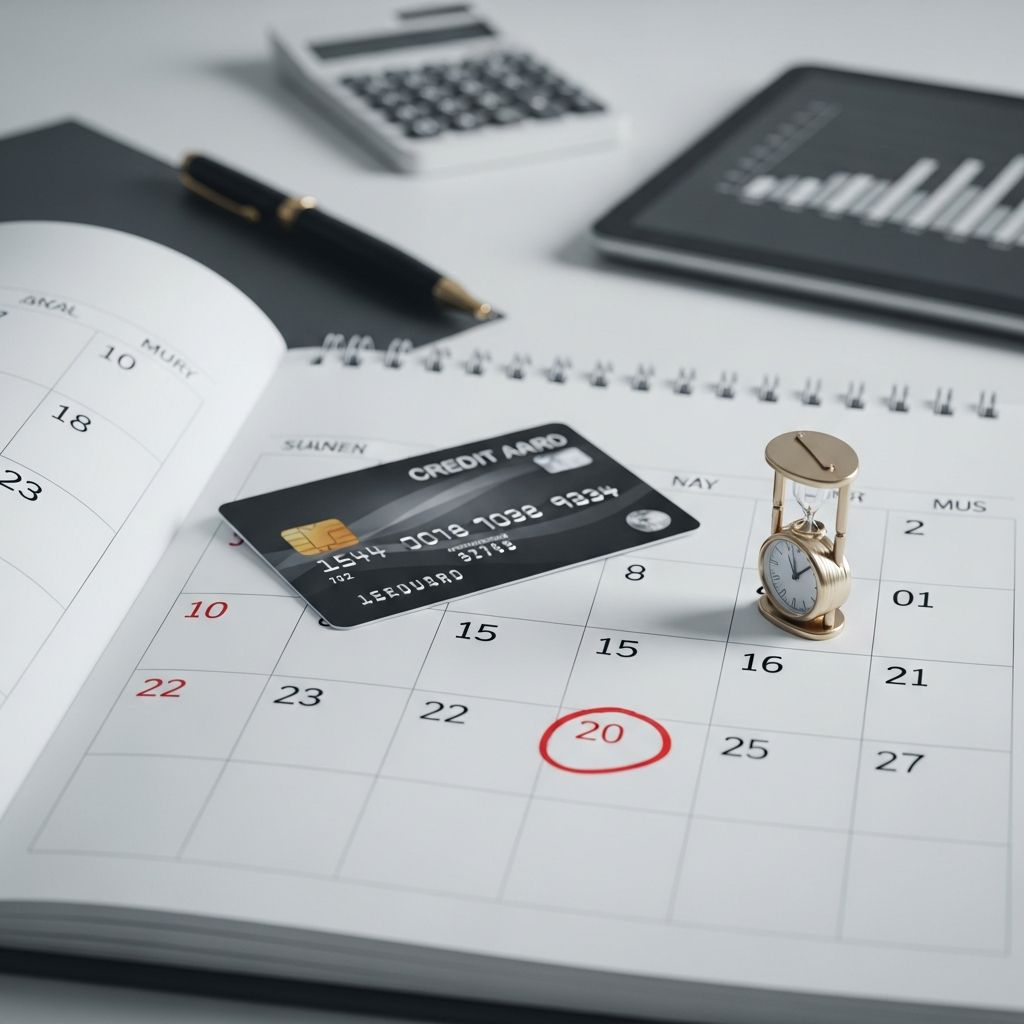
Timing your credit card payments correctly can transform your financial health by enhancing your credit score, eliminating unnecessary fees, and reducing interest accumulation. While paying by the due date is essential to avoid penalties, paying earlier in the billing cycle offers additional advantages like lower reported balances to credit bureaus.
Understanding Your Credit Card Billing Cycle
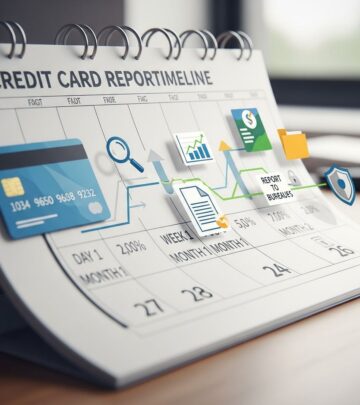
Every credit card operates on a billing cycle, typically spanning 28 to 31 days. This period begins after the statement closing date, when your issuer snapshots your balance and generates a statement with a minimum payment due about 21-25 days later. The closing date determines what balance gets reported to Equifax, Experian, and TransUnion, influencing 30% of your FICO score via credit utilization.
Key dates include:
- Statement Closing Date: Balance is finalized and reported.
- Grace Period: Time between closing and due date to pay without interest.
- Payment Due Date: Deadline to avoid late fees.
Review your statement or online account to identify these dates. Aligning payments with the cycle maximizes benefits.
Why Pay Before the Statement Closes?
Issuers report balances shortly after the closing date. A high balance at that moment signals high utilization—even if you pay in full later—potentially harming your score. Paying 90-95% of your balance before closing keeps reported utilization low, ideally under 30%.
For example, if your limit is $10,000 and you spend $3,000 mid-cycle, paying it down pre-closing reports just $150-$300, showcasing responsible use. This strategy outperforms waiting until the due date.
Consequences of Late Payments
Missing the due date triggers immediate repercussions. Within 30 days, expect a late fee up to $29-$41, loss of grace period, and bureau reporting, denting payment history (35% of FICO score). At 60 days, penalty APRs apply, compounding debt rapidly.
| Days Late | Potential Penalties |
|---|---|
| 1-29 Days | Late fee ($29+), grace period ends, possible promo APR revocation |
| 30-59 Days | Bureau reporting, additional fees |
| 60+ Days | Penalty APR, further reporting |
These hits can raise loan rates, insurance premiums, and approval barriers for years.
Advantages of Early and Multiple Payments
Paying early or multiple times monthly lowers utilization dynamically. The ’15/3 rule’—pay 15 days and 3 days before closing—minimizes reported balances. Frequent payments also curb compounding interest, saving money long-term.
Users paying after every purchase keep balances near zero, ideal for rewards maximizers. Multiple payments are fee-free and score-friendly if on time.
Strategies to Ensure Timely Payments
Adopt these habits for consistency:
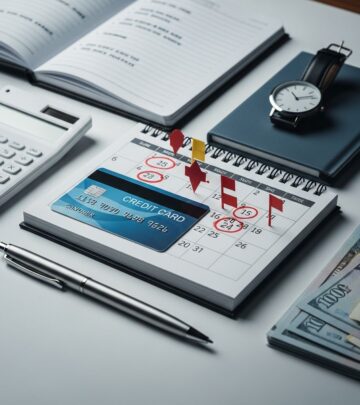
- Adjust Due Date: Request a shift to match payday via issuer app or phone.
- Autopay Setup: Pay minimum, full statement, or fixed amount automatically—ensure funds availability.
- Mid-Cycle Deposits: Split payments to attack balances progressively.
- Budget Integration: Allocate funds monthly; use payoff calculators for scenarios.
Track via apps syncing multiple cards for unified oversight.
Impact on Credit Utilization and Score
Utilization compares balance to limit. Below 30% is optimal; under 10% elite. Early payments ensure low snapshots. Consistent on-time history builds the strongest factor. Full monthly payoffs erase interest, preserving gains.
Monitor free weekly reports from AnnualCreditReport.com to verify improvements.
Handling Multiple Cards Effectively
With several cards, stagger payments pre-closing dates. Prioritize high-utilization ones first. Debt consolidation loans can simplify via fixed payments, though weigh rates carefully.
Prioritization table:
| Method | Best For |
|---|---|
| Snowball (smallest balance) | Momentum building |
| Avalanche (highest APR) | Interest savings |
Frequently Asked Questions
Can I pay my credit card twice a month?
Yes, multiple payments lower utilization without fees, boosting scores if before closing.
Does paying early avoid interest?
Yes, within grace period; full payoff prevents charges.
How soon do late payments affect my score?
After 30 days, reported and impactful.
Can I change my due date?
Most issuers allow it once per year.
Is autopay safe?
Yes, if balanced; set to minimum as backup.
Long-Term Financial Planning
Incorporate payments into broader goals. Build emergency funds to cover minimums during shortfalls. Rewards cards thrive on low utilization; balance transfers cut intro rates. Regularly review statements for errors affecting scores.
Aim for 750+ FICO via disciplined timing, unlocking premium rates and perks.
References
- Consumer Financial Protection Bureau (CFPB) Late Fee Data — CFPB. 2024. https://www.consumerfinance.gov/
- When Should You Pay Your Credit Card Bill? — Discover. Accessed 2026. https://www.discover.com/credit-cards/card-smarts/best-time-to-pay-your-credit-card/
- When To Pay Credit Card Bills — Bankrate. Accessed 2026. https://www.bankrate.com/credit-cards/advice/when-is-best-time-to-pay-credit-card/
- FICO Score Factors — myFICO (official FICO site). Ongoing. https://www.myfico.com/credit-education/whats-in-your-credit-score
- When to Pay Credit Card Bill to Increase Credit Score — BHG Financial. Accessed 2026. https://bhgfinancial.com/personal-loans/debt-consolidation/when-to-pay-credit-card-bill-to-increase-credit-score
Similar Articles








Read full bio of medha deb