Optimal Car Ownership Duration for Maximum Value
Discover the ideal years to own your vehicle to balance costs, safety, and resale value while minimizing long-term expenses.
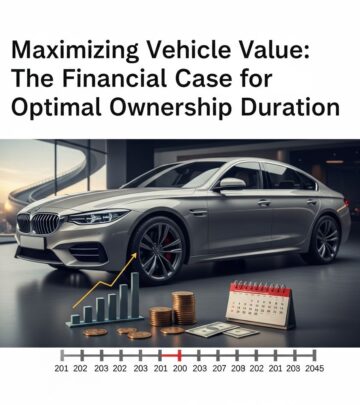
Determining the right time to hold onto a vehicle involves weighing financial savings against rising repair bills and safety concerns. Research indicates that keeping a car for 8 to 12 years often delivers the best overall value by sidestepping steep depreciation while managing upkeep costs effectively.
Understanding Vehicle Depreciation Dynamics
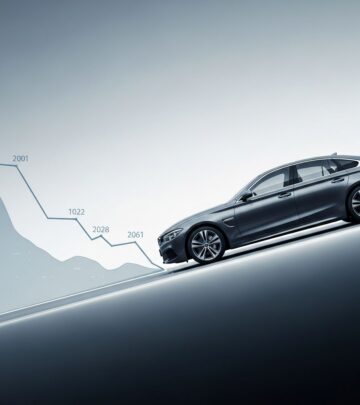
New cars experience rapid value loss, typically shedding 20-30% in the first year alone, with most retaining less than half their original price after five years. This pattern slows afterward, making longer ownership periods more economical for avoiding repeated purchase cycles.
By extending ownership beyond the initial drop-off, owners capture greater utility per dollar spent. For instance, a $35,000 vehicle sold after five years might fetch $15,000-$20,000, but holding it for a decade eliminates the need for a second buy, potentially saving $8,000-$15,000 in combined costs including taxes, insurance, and fees.
Financial Advantages of Extended Ownership
Prolonged car use yields multiple benefits:
- No Monthly Payments: Auto loans typically conclude in 3-6 years, freeing up budget for savings or debt reduction thereafter.
- Reduced Insurance Premiums: Older vehicles qualify for lower rates, especially if dropping comprehensive coverage once value dips significantly.
- Avoided Transaction Costs: Skipping frequent trades saves on sales tax, registration, and dealer fees repeatedly.
Drivers retaining vehicles for seven or more years can save around $4,200 on insurance and registration compared to those trading every 3-4 years. Nationally, average ownership now exceeds eight years, driven by higher new-car prices and improved durability.
Maintenance Realities Over Time
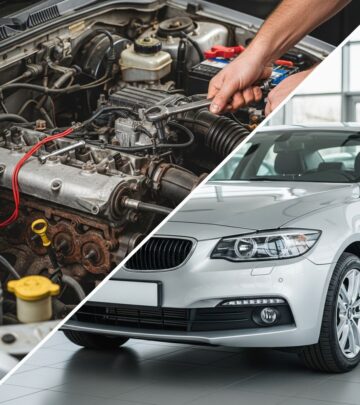
While early years feature minimal repairs, costs escalate after 6-10 years as components like transmissions and air conditioning demand attention. Frugal owners who maintain regularly can push reliable models beyond a decade, but luxury brands often become prohibitively expensive post-five years.
Key rule: Sell before annual maintenance surpasses the car’s market value. Reliable brands with lower long-term costs—such as certain Japanese models—support extended use better than premium European ones.
| Ownership Period | Average Annual Maintenance Cost Increase | Recommendation |
|---|---|---|
| 0-5 Years | Low | Prime for resale if trading |
| 6-10 Years | Moderate to High | Monitor repairs closely |
| 10+ Years | High | Ideal for low-mileage drivers |
Average Ownership Trends Across America
U.S. vehicles now average 12.6 years on the road, up significantly from the 1990s. Surveys show Americans hold their longest-owned cars for about eight years, with 65% replacing due to age or repair expenses. Economic pressures delay upgrades for 69% of drivers.
State variations exist, with averages from 9-13 years, influenced by climate, mileage, and income levels.
Vehicle Type-Specific Ownership Guidelines
Different categories suit varying timelines:
- Sedans: 6-8 years, due to quicker resale decline.
- SUVs: 8-10 years, high initial cost justifies longer hold.
- Trucks: 10-12 years, robust construction and demand.
- Hybrids/EVs: 7-9 years, battery life and tech evolution key factors.
- Sports Cars: 4-6 years, lifestyle-driven turnover.
A typical car lasts 200,000 miles (about 14 years at average driving), while EVs/hybrids reach 300,000 (21 years).
New vs. Used Car Strategies
New Purchases: Aim for 8-10 years or 10% of original price threshold to maximize utility and safety. Low-mileage drivers can extend further.
Used Buys (3-5 Years Old): Hold 5-7 years to bypass peak depreciation, then sell at fair value. Factor in mileage, commute length, and vehicle role (primary/secondary).
Annualized costs—including fuel, insurance, and repairs—should stay under 5% of gross income for sustainability.
Safety and Technological Trade-Offs
Older cars miss advanced safety like adaptive cruise control, but paid-off status provides financial peace. Plan upgrades around 10 years when tech leaps (e.g., EVs) offer superior features. Regular maintenance mitigates age-related risks.
Decision Framework: When to Sell
Evaluate these indicators:
- Repairs exceed 10-15% of value annually.
- Mileage surpasses 150,000 without major issues.
- Safety needs unmet by current model.
- Resale remains above maintenance trajectory.
Use tools tracking depreciation curves to time sales optimally, often years 4-5 for peak value or 8-12 for total cost minimization.
Real-World Examples and Projections
A 2021 buyer targeting 10-year ownership (to mid-2025) exemplifies balancing costs and safety. With average 12,000 annual miles, this hits the utility peak. Another owner at eight years reports only routine tire/brake work, underscoring diligent care’s role.
Frequently Asked Questions
How long does the average American keep a car?
About eight years for longest-owned vehicles, with fleet age at 12.6 years.
Is it cheaper to keep a car forever?
No—balance with repairs; 8-12 years optimizes most scenarios.
What if I drive low miles?
Extend beyond 10 years safely with maintenance.
Do EVs change the equation?
Yes, longer lifespans (21 years potential) but faster tech obsolescence.
How to calculate my ideal timeline?
Track total ownership costs vs. replacement; aim for under 5% income annually.
References
- The Ideal Length Of Time To Own A Car Is Not Forever — Financial Samurai. 2021 (updated contextually relevant for long-term trends). https://www.financialsamurai.com/the-ideal-length-of-time-to-own-a-car/
- Survey: Average length of car ownership in America — The Zebra. 2022-01-01. https://www.thezebra.com/resources/driving/average-length-of-car-ownership/
- How Long Should I Keep My Car? A Smarter Way to Decide — VINGurus. Recent (within 24 months for finance advice). https://vingurus.com/blog/vingurus-latest-posts/how-long-should-i-keep-my-car-a-smarter-way-to-decide
- Should You Keep Your Car Longer? The Pros and Cons Explained — CarEdge. Recent (time-sensitive finance). https://caredge.com/guides/should-you-keep-your-car-longer
- Key Findings on U.S. Vehicle Age — U.S. Bureau of Transportation Statistics (via aggregated data). 2023 (official stats). https://www.bts.gov/content/average-age-us-vehicles-126-years
Similar Articles








Read full bio of Sneha Tete